🌿 Yunnan 云南 Birthplace of Tea Civilization
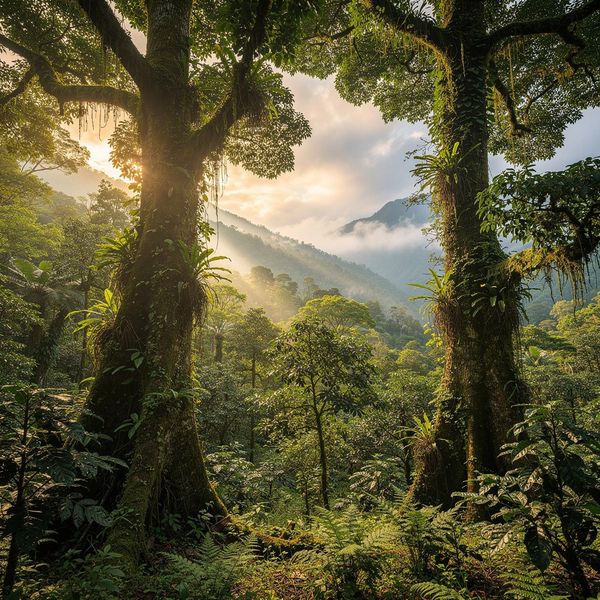
The Birthplace of Tea • Ancient Forests • Living Cultures
Yunnan Province (云南省), located in southwestern China, is widely recognized as the birthplace of tea and one of the world's most important centers of tea biodiversity. Home to ancient tea forests, wild tea tree populations, and some of the oldest living tea trees ever documented, Yunnan preserves a continuous relationship between people, forests, and tea that spans thousands of years.
Modern botanical and genetic research identifies southwestern Yunnan and neighboring regions of the eastern Himalayan and upper Mekong watershed as the primary center of origin and diversification of the tea plant (Camellia sinensis). The greatest diversity of wild and cultivated tea varieties is found in this region, making Yunnan one of the most significant tea landscapes on Earth.
From the ancient tea forests of Xishuangbanna and Pu'er to the mountain tea cultures of Lincang, Ailao, and Wuliang, Yunnan remains the living heart of Chinese tea civilization.

🌱 Origin of the Tea Plant
Yunnan occupies a unique place in the story of tea.
Scientific Significance
→ One of the World's Primary Centers of Tea Plant Origin
→ Home to Extensive Wild Tea Tree Populations
→ Greatest Known Diversity of Tea Genetics
→ Ancient Tea Forest Ecosystems
→ Living Tea Cultivation Traditions
Researchers regard southwestern Yunnan as one of the most important regions for understanding the evolution, domestication, and spread of tea throughout Asia.
🏔️ Geography of Tea
Yunnan's extraordinary landscapes helped shape the evolution of tea.
Natural Features
→ High Mountain Ranges
→ Deep River Valleys
→ Subtropical Forest Ecosystems
→ Monsoon Climate
→ Diverse Elevation Zones
→ Rich Biodiversity
Major rivers including the Lancang (Mekong), Nu (Salween), Jinsha (Upper Yangtze), and Red River systems create a mosaic of environments that support an exceptional variety of tea-growing regions.
🌳 Ancient Tea Forests
Yunnan contains some of the world's most important ancient tea forest landscapes.
Notable Tea Regions
→ Xishuangbanna 西双版纳
→ Pu'er 普洱
→ Lincang 临沧
→ Ailao Mountains 哀牢山
→ Wuliang Mountains 无量山
These regions preserve ancient tea trees ranging from several hundred to well over one thousand years old and remain among the most valuable tea resources in the world.

👥 Ethnic Diversity & Living Heritage
Yunnan is often called China's "Kingdom of Ethnic Diversity."
Cultural Significance
→ 25 of China's 56 Officially Recognized Ethnic Groups
→ More Than One-Third of the Population Belongs to Ethnic Minorities
→ Numerous Indigenous Languages and Dialects
→ Distinct Regional Traditions
→ Living Cultural Heritage
The province's diversity reflects centuries of interaction between mountain communities, trade routes, and natural landscapes.
🍃 Tea & Traditional Communities
Many of Yunnan's tea traditions were developed and preserved by indigenous communities long before tea became a national or international commodity.
Traditional Tea Peoples
→ Bulang 布朗族
→ Dai 傣族
→ Hani 哈尼族
→ Wa 佤族
→ Lahu 拉祜族
→ Yi 彝族
→ Jinuo 基诺族
These communities cultivated tea, managed ancient tea forests, and developed processing methods that continue to influence tea production today.
🎊 Festivals, Dress & Daily Life
Across Yunnan, cultural traditions remain a visible part of everyday life.
Notable Traditions
→ Torch Festival 火把节 (Yi)
→ Water-Splashing Festival 泼水节 (Dai)
→ March Street Fair 三月街 (Bai)
→ Long Street Banquets 长街宴 (Hani)
Traditional embroidery, silverwork, weaving, music, dance, and oral storytelling continue to play important roles in community life throughout the province..
🍜 Tea & Food Culture
Tea and food traditions are deeply connected across Yunnan.
Culinary Heritage
→ Pu-erh Tea Culture
→ Wild Mountain Herbs
→ Forest Mushrooms
→ Fermented Foods
→ River and Lake Fisheries
→ Community Banquets
Shared meals and tea ceremonies remain central to family, village, and cultural celebrations throughout the region.
🐎 Tea Horse Road Heritage
Tea and food traditions are deeply connected across Yunnan.
Culinary Heritage
→ Pu-erh Tea Culture
→ Wild Mountain Herbs
→ Forest Mushrooms
→ Fermented Foods
→ River and Lake Fisheries
→ Community Banquets
Shared meals and tea ceremonies remain central to family, village, and cultural celebrations throughout the region.
🌏 A Living Cultural Landscape
Unlike many historic regions where traditions survive only as artifacts, Yunnan remains a living cultural landscape.
Living Heritage
→ Ancient Tea Forests
→ Traditional Tea Villages
→ Ethnic Communities
→ Historic Trade Routes
→ Mountain Agriculture
→ Biodiversity Conservation
Across the province, ancient traditions continue to shape modern identity while preserving knowledge that has been passed from generation to generation.
🌿 Legacy of Yunnan Province
Yunnan stands at the origin of tea's story. It is a land where ancient forests, wild tea trees, mountain cultures, and living traditions remain inseparably connected.
From the earliest evolution of the tea plant to the development of Pu-erh tea, the Tea Horse Road, and the preservation of ancient tea forests, Yunnan has shaped the history of tea more profoundly than any other region in the world.
Today, Yunnan remains both a museum of tea's past and a living academy of tea culture, preserving the landscapes, biodiversity, and traditions that continue to define the global heritage of tea.
Yunnan's Landscapes of Tea Civilization 茶文明景观

Yiwu Mountain 易武山
🏛️ Ancient Six Tea Mountains
🏆 Legendary Tea Origins
🐎 Tea Horse Road Heritage
🍃 Pu-erh Tea Heritage
🏘️ Historic Tea Villages
🍯 Honey & Floral Character
👑 Imperial & Tribute Heritage
Located in Yiwu Town (易武镇) of Mengla County (勐腊县), Xishuangbanna Dai Autonomous Prefecture, Yunnan Province, Yiwu Mountain is one of the most historically im
🏛️ Ancient Six Tea Mountains
🏆 Legendary Tea Origins
🐎 Tea Horse Road Heritage
🍃 Pu-erh Tea Heritage
🏘️ Historic Tea Villages
🍯 Honey & Floral Character
👑 Imperial & Tribute Heritage
Located in Yiwu Town (易武镇) of Mengla County (勐腊县), Xishuangbanna Dai Autonomous Prefecture, Yunnan Province, Yiwu Mountain is one of the most historically important tea-producing regions in China and is widely regarded as the spiritual heart of traditional Pu-erh tea.
As part of the celebrated Ancient Six Great Tea Mountains (古六大茶山), Yiwu played a central role in the development of Pu-erh tea, imperial tribute tea production, and the Tea Horse Road trade network. For centuries, tea produced in Yiwu traveled across China and into Tibet, becoming one of the most sought-after teas in the Qing Dynasty.
Today, Yiwu remains one of the most prestigious origins of ancient-tree Pu-erh tea and is renowned for producing some of the most elegant, refined, and age-worthy teas in Yunnan.
📍 Geographic Setting
Location
Yiwu Town 易武镇
Mengla County 勐腊县
Xishuangbanna Prefecture 西双版纳
Yunnan Province 云南省
Yiwu lies east of the Lancang River within the historic Jiangnei (江内) tea region.
Historic Tea Geography
Ancient Six Great Tea Mountains
→Yiwu 易武
→Mansa 曼撒
→Yibang 倚邦
→Mangzhi 莽枝
→Manzhuan 曼砖
→Youle 攸乐
Yiwu eventually became the most influential commercial center among the Ancient Six Tea Mountains.
⛰️ Elevation
Tea-Growing Range
1,100–1,800 meters
Prime Ancient Tea Areas
1,300–1,700 meters
The combination of mountain forests, abundant rainfall, and diverse ecosystems creates ideal conditions for ancient tea cultivation.
🌦️ Climate & Growing Environment
Yiwu enjoys a subtropical mountain monsoon climate that supports vigorous tea tree growth and exceptional biodiversity.
Conditions
Average Temperature:
18–22°C
Annual Rainfall:
1,500–1,900 mm
Frequent Mountain Fog
High Humidity
Dense Forest Cover
Rich Mountain Soils
These conditions contribute to the elegant sweetness and aromatic complexity for which Yiwu teas are famous.
🌳 Ancient Tea Heritage
Yiwu contains some of the oldest continuously cultivated tea gardens in China.
Tea cultivation in the region can be traced back well over a thousand years, making Yiwu one of the foundational landscapes of Pu-erh tea history.
Ancient Tea Characteristics
→Ancient Arbor Tea Trees
→Large-Leaf Assamica Varieties
→Traditional Forest Gardens
→Old-Tree Tea Resources
→Historic Tea Villages
→Living Tea Heritage
Many ancient tea trees remain integrated within forest ecosystems rather than plantation-style agriculture.
🍃 Pu-erh Tea Heritage
Yiwu is considered one of the most important origins of traditional Pu-erh tea.
Historically, tea from Yiwu was highly valued by merchants and imperial officials alike, becoming one of the defining styles of Yunnan tea.
Signature Tea
Raw Pu-erh 生普洱
→Ancient Tree Material
→Elegant Structure
→Excellent Aging Potential
→Refined Aromatics
→Historic Prestige
Raw Pu-erh remains the defining tea of Yiwu.
Ripe Pu-erh 熟普洱
→Produced Today
→Modern Processing Style
Secondary to Traditional Sheng Production
While widely available, ripe Pu-erh does not define Yiwu's historical reputation.
🍂 Flavor Profile
Yiwu teas are often regarded as the benchmark of elegance within the Pu-erh world.
Typical Characteristics
→Low Bitterness
→Soft Mouthfeel
→Honey Sweetness
→Floral Aromatics
→Long Lingering Finish
→Complex Forest Character
→Exceptional Aging Potential
Tea enthusiasts frequently summarize Yiwu's place within Pu-erh culture through the famous saying:
"Ban Zhang is King; Yiwu is Queen."
班章为王,易武为后
This reflects the contrast between Bulang Mountain's power and Yiwu's elegance.
🏘️ Famous Tea Villages
Yiwu is not a single tea garden but a large tea-producing region composed of many renowned villages.
麻黑 Mahei
→Classic Yiwu Character
→Ancient Tree Material
→Honey Sweetness
落水洞 Luoshuidong
→Highly Regarded Ancient Tea
→Elegant Structure
→Excellent Aging Potential
刮风寨 Guafengzhai
→Remote Ancient Tea Forests
→Prestigious Ancient Tree Tea
→Strong Collector Demand
老丁家寨 Laodingjiazhai
→Historic Tea Village
→Traditional Cultivation
→Ancient Tea Resources
曼秀 Manxiu
→Floral Aromatics
→Refined Character
→Historic Tea Gardens
大漆树 Daqishu
→Ancient Tea Heritage
→Forest-Grown Tea
→Traditional Production
📚 Mansa 曼撒 Heritage
Historically, Mansa (曼撒) and Yiwu formed the commercial and cultural center of the Ancient Six Tea Mountains.
👑Imperial-Tribute Tea Heritage
During the Qing Dynasty, teas from the Yiwu–Mansa region were frequently selected as tribute teas and supplied major tea markets throughout southwestern China. The region became one of the most influential centers of Pu-erh commerce and imperial tea distribution.
→ Qing Dynasty Tribute Tea
→ Imperial Tea Commerce
→ Regional Tea Markets
→ Historic Tea Collection Centers
→ Prestige Tea Production
Historical Importance
→Early Tea Markets
→Tea Collection Centers
→Tea Processing Centers
→Imperial Tribute Tea
→Regional Trade Hub
Many early compressed tea formats and seven-cake tea traditions developed within the broader Yiwu–Mansa region.
🐎 Tea Horse Road Heritage
Yiwu became one of the most important collection and distribution centers on the Tea Horse Road.
Historical Role
→Tea Collection Center
→Caravan Trade Hub
→Pu-erh Distribution Point
→Cross-Cultural Exchange
→Imperial Commerce
For centuries, tea from Yiwu traveled across Tibet, Southeast Asia, and China.
👥 Cultural Heritage
Yiwu's tea traditions were shaped by generations of Dai, Han, and other ethnic communities who cultivated tea and participated in regional trade networks.
Cultural Heritage
Ancient Tea Cultivation
→Tea Trade Networks
→Village Tea Traditions
→Traditional Processing
→Tea Horse Road Commerce
→Living Tea Culture
🧬 Biodiversity & Heritage
Yiwu remains one of Yunnan's most important tea landscapes.
Heritage Significance
→Ancient Tea Forests
→Historic Tea Villages
→Traditional Cultivation
→Tea Horse Road Heritage
→Mountain Biodiversity
Living Tea Traditions
Its combination of ecological richness and historical significance makes Yiwu one of the most influential tea regions in the world.
🌿 Legacy of Yiwu Mountain
Yiwu Mountain stands at the center of Pu-erh tea history. From ancient tea forests and imperial tribute teas to Tea Horse Road commerce and world-renowned ancient-tree Pu-erh, Yiwu has shaped the development of Chinese tea culture for centuries.
Today, it remains one of the most respected and sought-after tea origins in Yunnan, preserving a legacy built upon tea, trade, landscape, and tradition.
Gedeng Mountain 革登山
🏛️ Ancient Six Tea Mountains
📜 Historic Tea Origin
🌊 Jiangnei Tea Heritage
🐎 Tea Horse Road Heritage
👑 Imperial-Tribute Tea Heritage
🌿 Ancient Arbor Tea Trees
🍃 Pu-erh Tea Heritage
Located in Gedeng Township (革登乡) of Mengla County (勐腊县), Xishuangbanna Dai Autonomous Prefecture, Yunnan Province, Gedeng Mountain is one of the historically c
🏛️ Ancient Six Tea Mountains
📜 Historic Tea Origin
🌊 Jiangnei Tea Heritage
🐎 Tea Horse Road Heritage
👑 Imperial-Tribute Tea Heritage
🌿 Ancient Arbor Tea Trees
🍃 Pu-erh Tea Heritage
Located in Gedeng Township (革登乡) of Mengla County (勐腊县), Xishuangbanna Dai Autonomous Prefecture, Yunnan Province, Gedeng Mountain is one of the historically celebrated Ancient Six Great Tea Mountains (古六大茶山) of Yunnan.
Situated east of the Lancang River, Gedeng Mountain occupies an important place in the history of Pu-erh tea production and trade. Together with Yibang, Mangzhi, Manzhuan, Youle, and Mansa, Gedeng formed part of the historic tea-producing heartland that supplied merchants, caravan traders, and imperial tribute tea markets for centuries.
Although less famous today than neighboring Yiwu, Gedeng Mountain remains an important symbol of early Pu-erh history and traditional tea cultivation in southern Yunnan.
📍 Geographic Setting
Location
Gedeng Township 革登乡
Mengla County 勐腊县
Xishuangbanna Prefecture 西双版纳
Yunnan Province 云南省
Gedeng Mountain lies within the historic Jiangnei tea region east of the Lancang River and forms part of the classical Ancient Six Tea Mountains.
🌊 Jiangnei Tea Heritage
In traditional Pu-erh geography, the Lancang River served as a major cultural and commercial dividing line.
江内 Jiangnei
East of the Lancang River
→Gedeng Mountain 革登山
→Yibang Mountain 倚邦山
→Mangzhi Mountain 莽枝山
→Manzhuan Mountain 曼砖山
→Youle Mountain 攸乐山
→Mansa Mountain 蛮撒山
These mountains became some of the earliest recorded tea-producing regions in Yunnan and played an important role in the development of tribute tea and Tea Horse Road commerce.
⛰️ Elevation
Tea-Growing Range
1,100–1,600 meters
Prime Tea Areas
1,300–1,500 meters
Mountain slopes, forest edges, and traditional mixed cultivation systems continue to define the landscape.
🌦️ Climate & Growing Environment
Gedeng Mountain enjoys a subtropical mountain monsoon climate typical of southern Yunnan.
Conditions
Average Temperature:
21–23°C
Annual Rainfall:
1,400–1,700 mm
High Humidity
Frequent Seasonal Fog
Mountain Forest Ecosystems
Distinct Wet & Dry Seasons
The combination of mountain soils, rainfall, and forest cover supports healthy tea tree development and contributes to the region's elegant tea character.
🌳 Ancient Tea Heritage
Gedeng Mountain has a long history of tea cultivation dating back centuries.
Traditional tea gardens remain integrated into mountain ecosystems and preserve cultivation methods developed through generations of Dai and Han tea communities.
Tea Characteristics
Large-Leaf Assamica Varieties
→Ancient Arbor Tea Trees
→Old-Tree Tea Gardens
→Traditional Forest-Edge Cultivation
Historic Tea Production Areas
Ancient tea resources continue to survive throughout the mountain despite changes in cultivation over time.
🍃 Pu-erh Tea Heritage
Gedeng Mountain is primarily known for traditional Pu-erh tea production.
Signature Tea
Raw Pu-erh 生普洱
→Ancient Tree Material
→Elegant Structure
→Excellent Aging Potential
→Historic Tea Mountain Character
Historically, tea produced in the Ancient Six Tea Mountains formed part of important regional trade networks and contributed to the growth of Pu-erh commerce.
Ripe Pu-erh 熟普洱
→Produced Today
→Modern Processing Style
→Less Historically Significant
The mountain's reputation remains rooted in traditional raw Pu-erh tea.
🍂 Flavor Profile
Gedeng Mountain teas are generally considered more refined and approachable than some of the powerful western Lancang tea regions.
Typical Characteristics
→Mild to Moderate Bitterness
→Elegant Structure
→Balanced Mouthfeel
→Floral Notes
→Honey Sweetness
→Lingering Hui Gan 回甘
→Excellent Aging Stability
Compared with Bulang Mountain's intensity, Gedeng teas often express greater subtlety and softness.
🏘️ Historic Tea Connections
Although Gedeng Mountain is historically important in its own right, it is closely connected to the broader Yiwu tea region.
Yiwu–Mansa Heritage
Historically:
→Yiwu 易武
→Mansa 曼撒
→Mahei 麻黑
→Luoshuidong 落水洞
→Guafengzhai 刮风寨
→Laodingjiazhai 老丁家寨
→Manxiu 曼秀
→Daqishu 大漆树
formed part of one of the most influential tea-producing and trading regions in Pu-erh history.
🏛️ Imperial Tea & Trade Heritage
During the Qing Dynasty, teas from the Ancient Six Tea Mountains frequently entered tribute tea channels and regional trade networks.
Historical Importance
→Tea Horse Road Commerce
→Imperial Tribute Tea
→Tea Collection Centers
→Pu-erh Distribution Networks
→Historic Tea Markets
Many early forms of compressed tea and seven-cake tea formats originated from this broader region.
👥 Cultural Heritage
For centuries, Gedeng Mountain tea cultivation was maintained by local communities including Dai and Han settlers who developed tea gardens, trade routes, and processing traditions.
Cultural Heritage
→Ancient Tea Cultivation
→Village Tea Traditions
→Tea Trade Networks
→Traditional Harvesting
→Regional Tea Knowledge
→Living Tea Heritage
🧬 Biodiversity & Heritage
Gedeng Mountain remains an important part of the larger cultural landscape of the Ancient Six Tea Mountains.
Heritage Significance
→Ancient Tea Resources
→Historic Tea Geography
→Traditional Cultivation
→Tea Horse Road Heritage
→Mountain Biodiversity
→Living Tea Traditions
🌿 Legacy of Gedeng Mountain
Gedeng Mountain represents one of the earliest chapters in the story of Pu-erh tea. As part of the Ancient Six Tea Mountains, it helped shape the development of Yunnan tea culture, imperial tea commerce, and the Tea Horse Road trade that connected Southwest China to the wider world.
Today, Gedeng remains an important symbol of the historic tea landscapes that laid the foundation for modern Pu-erh tea.
Youle Mountain 攸乐山
🏛️ Ancient Six Tea Mountains
📜 Historic Tea Origin
🌊 Jiangnei Tea Heritage
🐎 Tea Horse Road Heritage
👑 Imperial & Tribute Tea Heritage
🌿 Ancient Arbor Tea Trees
🍃 Pu-erh Tea Heritage
Located in present-day Jinuo Mountain Township (基诺山乡) near Jinghong City, Xishuangbanna Dai Autonomous Prefecture, Yunnan Province, Youle Mountain is one of
🏛️ Ancient Six Tea Mountains
📜 Historic Tea Origin
🌊 Jiangnei Tea Heritage
🐎 Tea Horse Road Heritage
👑 Imperial & Tribute Tea Heritage
🌿 Ancient Arbor Tea Trees
🍃 Pu-erh Tea Heritage
Located in present-day Jinuo Mountain Township (基诺山乡) near Jinghong City, Xishuangbanna Dai Autonomous Prefecture, Yunnan Province, Youle Mountain is one of the historically celebrated Ancient Six Great Tea Mountains (古六大茶山) and among the earliest documented centers of Pu-erh tea cultivation in China.
Situated east of the Lancang River, Youle Mountain occupies a unique position in the history of Yunnan tea. Frequently listed first among the Ancient Six Tea Mountains in Qing-era records, Youle was an important center of tea production, taxation, trade, and administration. For centuries, tea produced here supplied merchants, caravan traders, regional markets, and imperial tribute tea channels throughout Southwest China.
Today, Youle remains closely associated with the Jinuo people and continues to represent one of the foundational landscapes of Pu-erh tea history.
📍 Geographic Setting
Location
Jinuo Mountain Township 基诺山乡
Jinghong City 景洪市
Xishuangbanna Prefecture 西双版纳
Yunnan Province 云南省
Youle Mountain lies east of the Lancang River and forms part of the historic Jiangnei tea region, the cradle of the Ancient Six Tea Mountains.
🌊 Jiangnei Tea Heritage
In traditional Pu-erh geography, the Lancang River served as a major cultural and commercial dividing line.
江内 Jiangnei
East of the Lancang River
→ Youle Mountain 攸乐山
→ Yiwu Mountain 易武山
→ Yibang Mountain 倚邦山
→ Mangzhi Mountain 莽枝山
→ Gedeng Mountain 革登山
→ Manzhuan Mountain 曼砖山
These mountains became some of the earliest recorded tea-producing regions in Yunnan and played a foundational role in the development of Pu-erh tea, tribute tea commerce, and Tea Horse Road trade.
⛰️ Elevation
Tea-Growing Range
1,000–1,600 meters
Prime Ancient Tea Areas
1,200–1,500 meters
The moderate elevations, forested terrain, and humid mountain environment contribute to Youle's approachable and balanced tea character.
🌦️ Climate & Growing Environment
Youle Mountain enjoys a subtropical mountain monsoon climate typical of southern Yunnan
Conditions
Average Temperature:
22–23°C
Annual Rainfall:
1,300–1,600 mm
→ High Humidity
→ Frequent Seasonal Fog
→ Distinct Wet & Dry Seasons
→ Forested Mountain Ecosystems
→ Red-Yellow Mountain Soils
The combination of river-adjacent terrain and forested hills creates diverse microclimates that support healthy tea tree growth and stable flavor development.
🌳 Ancient Tea Forests
Youle Mountain contains important ancient tea resources and long-established tea gardens that have been cultivated for centuries.
Ancient Tea Characteristics
→ Ancient Arbor Tea Trees
→ Large-Leaf Assamica Varieties
→ Forest-Edge Tea Gardens
→ Traditional Cultivation Systems
→ Historic Tea Landscapes
→ Living Tea Heritage
Many ancient and old-tree tea gardens continue to survive throughout the mountain despite centuries of cultivation and changing agricultural practices.
🌿 Ancient Arbor Tea Trees
The mountain remains home to important populations of ancient and old-growth tea trees.
Notable Ancient Tree Areas
→ Longpa 龙帕
→ Situ Old Village 司土老寨
→ Mezhuo 么卓
→ Bapiao 巴飘
These villages preserve some of the most significant surviving ancient tea resources within the Youle tea region.
🍃 Pu-erh Tea Heritage
Youle Mountain is historically renowned for traditional Yunnan Pu-erh tea production.
Signature Tea
Raw Pu-erh 生普洱
→ Large-Leaf Tea Material
→ Gentle Structure
→ Traditional Stone Pressing
→ Excellent Aging Potential
→ Historic Pu-erh Character
Historically, raw Pu-erh from Youle was pressed into cakes, bricks, and loose maocha for regional trade and tribute tea production.
Ripe Pu-erh 熟普洱
→ Modern Production
→ Pressed Tea Cakes
→ Lao Cha Tou Styles
→ Secondary to Sheng Production
While common today, ripe Pu-erh does not define Youle's historical identity.
🍂 Flavor Profile
Youle Mountain teas are often appreciated for their balance, drinkability, and refined character.
Typical Characteristics
→ Mild Bitterness
→ Clean Sweetness
→ Herbal Aromatics
→ Light Floral Notes
→ Smooth Mouthfeel
→ Stable Structure
→ Long Hui Gan 回甘
Compared with the power of Bulang Mountain or the prestige of Yiwu, Youle teas are often valued for their consistency, accessibility, and elegance.
🏘️ B
Several villages remain important centers of traditional tea cultivation.
Longpa 龙帕
→ Ancient Tea Trees
→ Jinuo Heritage
→ Traditional Cultivation
Situ Old Village 司土老寨
→ Historic Tea Production
→ Ancient Tea Resources
→ Traditional Village Culture
Mezhuo 么卓
→ Old Tea Gardens
→ Forest-Grown Tea
→ Local Tea Heritage
Bapiao 巴飘
→ Ancient Arbor Tea Trees
→ Traditional Harvesting
→ Mountain Tea Culture
👥 Ethnic Tea Traditions
Youle Mountain is closely associated with the Jinuo people (基诺族), one of China's officially recognized ethnic minorities and one of the communities most deeply connected to tea cultivation traditions.
Jinuo Cultural Heritage
→ Ancient Tea Cultivation
→ Mountain Agriculture
→ Village Tea Traditions
→ Forest Stewardship
→ Oral History
→ Traditional Ecological Knowledge
Tea remains both a cultural symbol and an important economic resource within many Jinuo communities.
👑 Imperial-Tribute Heritage
During the Qing Dynasty, teas from Youle Mountain frequently entered tribute tea channels and regional trade networks.
Historical Importance
→ Imperial Tribute Tea
→ Tea Tax Administration
→ Regional Tea Markets
→ Tea Collection Centers
→ Prestige Tea Production
Historical records frequently identify Youle as one of the most important tea-producing mountains of the Ancient Six Tea Mountains system.
🐎 Tea Horse Road Heritage
For centuries, tea from Youle traveled through regional trade networks that connected Yunnan with Tibet, Southeast Asia, and the broader Tea Horse Road system.
Historical Role
→ Tea Collection Center
→ Regional Trade Hub
→ Caravan Commerce
→ Pu-erh Distribution
→ Cross-Cultural Exchange
🧬 Biodiversity & Tea Origins
Youle Mountain remains an important component of Yunnan's ancient tea biodiversity landscape.
Heritage Significance
→ Ancient Tea Resources
→ Traditional Cultivation
→ Tea Plant Diversity
→ Mountain Biodiversity
→Traditional Ecological
Knowledge
→ Living Tea Heritage
The region contributes to the broader understanding of tea cultivation history and the preservation of Yunnan's ancient tea resources.
🌿 Legacy of Youle Mountain
Youle Mountain represents one of the earliest chapters in the story of Pu-erh tea. As one of the Ancient Six Tea Mountains and the traditional homeland of the Jinuo people, it helped establish the foundations of Yunnan's tea culture, trade networks, and tea administration systems.
Today, Youle remains a living cultural landscape where ancient tea trees, ethnic traditions, and centuries of tea history continue to shape one of China's most important tea-producing regions. Its legacy reflects the enduring connection between tea, people, and mountain landscapes that lies at the heart of Chinese tea civilization.
Mangzhi Mountain 莽枝山
🏛️ Ancient Six Tea Mountains
📜 Historic Tea Origin
🌊 Jiangnei Tea Heritage
🐎 Tea Horse Road Heritage
👑 Imperial & Tribute Tea Heritage
🌿 Ancient Arbor Tea Trees
🍃 Pu-erh Tea Heritage
Located in the historic tea-producing region of Xiangming Township (象明乡), Mengla County (勐腊县), Xishuangbanna Dai Autonomous Prefecture, Yunnan Province, Mang
🏛️ Ancient Six Tea Mountains
📜 Historic Tea Origin
🌊 Jiangnei Tea Heritage
🐎 Tea Horse Road Heritage
👑 Imperial & Tribute Tea Heritage
🌿 Ancient Arbor Tea Trees
🍃 Pu-erh Tea Heritage
Located in the historic tea-producing region of Xiangming Township (象明乡), Mengla County (勐腊县), Xishuangbanna Dai Autonomous Prefecture, Yunnan Province, Mangzhi Mountain is one of the celebrated Ancient Six Great Tea Mountains (古六大茶山)and among the earliest recorded tea-producing regions in southern Yunnan.
Situated east of the Lancang River within the historic Jiangnei tea region, Mangzhi Mountain has been associated with tea cultivation since at least the Yuan Dynasty and was an important tea-producing and trading center during the Qing Dynasty. Historically renowned for its fragrant teas and prosperous tea markets, Mangzhi played a significant role in the development of Pu-erh commerce and the Tea Horse Road trade network.
Today, Mangzhi remains one of the most historically important tea mountains in Yunnan and is particularly celebrated for producing some of the most aromatic teas among the Ancient Six Tea Mountains.
📍 Geographic Setting
Location
Xiangming Township 象明乡
Mengla County 勐腊县
Xishuangbanna Prefecture 西双版纳
Yunnan Province 云南省
Mangzhi Mountain lies east of the Lancang River and forms part of the historic Jiangnei tea-producing region.
Regional Position
North of Yibang Mountain 倚邦山
East of the Mengla Basin
Ancient Six Tea Mountains Region
Historic Pu-erh Trade Zone
🌊 Jiangnei Tea Heritage
In traditional Pu-erh geography, Mangzhi belongs to the historic Jiangnei tea region.
江内 Jiangnei
East of the Lancang River
→ Yiwu Mountain 易武山
→ Yibang Mountain 倚邦山
→ Mangzhi Mountain 莽枝山
→ Gedeng Mountain 革登山
→ Manzhuan Mountain 曼砖山
→ Youle Mountain 攸乐山
These mountains became some of the earliest documented tea-producing regions in Yunnan and laid the foundations of traditional Pu-erh tea culture.
⛰️ Elevation
Tea-Growing Range
1,100–1,600 meters
Prime Ancient Tea Areas
1,300–1,500 meters
The combination of moderate elevation, forest cover, and mountain microclimates contributes to Mangzhi's distinctive aromatic character.
🌦️ Climate & Growing Environment
Mangzhi Mountain enjoys a subtropical mountain monsoon climate typical of southern Yunnan.
Conditions
Average Temperature:
21–23°C
Annual Rainfall:
1,400–1,700 mm
→ High Humidity
→ Frequent Seasonal Fog
→ Distinct Wet & Dry Seasons
→ Forested Mountain Ecosystems
→ Red-Yellow Mountain Soils
The region's well-preserved forest cover and stable microclimates support long-lived tea trees and contribute to the mountain's renowned fragrance and aging potential.
🌳 Ancient Tea Forests
Mangzhi Mountain has a long history of tea cultivation and remains home to important ancient tea resources.
Ancient Tea Characteristics
→ Ancient Arbor Tea Trees
→ Middle-Leaf & Small-Leaf Tea Varieties
→ Forest-Grown Tea Gardens
→ Traditional Cultivation Systems
→ Historic Tea Landscapes
→ Living Tea Heritage
Many tea trees continue to grow alongside native vegetation rather than within large-scale monoculture plantations.
🌿 Ancient Arbor Tea Trees
Mangzhi preserves significant populations of ancient and old-growth tea trees.
Notable Ancient Tea Areas
→ Yanglin 秧林
→ Hongtupo 红土坡
→ Manya 曼丫
→ Jiangxiwan 江西湾
→ Kouduo 口夺
These villages and tea gardens continue to preserve traditional cultivation practices and important ancient tea resources.
🍃 Pu-erh Tea Heritage
Mangzhi Mountain is historically renowned for traditional Yunnan Pu-erh tea production.
Signature Tea
Raw Pu-erh 生普洱
→ Ancient & Old-Tree Material
→ Floral-Honey Aromatics
→ Excellent Aging Potential
→ Elegant Structure
→ Historic Pu-erh Character
Historically, Mangzhi was one of the most important tea-producing mountains within the Ancient Six Tea Mountains system.
Ripe Pu-erh 熟普洱
→ Modern Production
→ Secondary to Sheng Production
→ Less Historically Significant
The mountain's reputation remains firmly rooted in traditional raw Pu-erh tea.
🍂 Flavor Profile
Mangzhi teas are often described as the most aromatic among the Ancient Six Tea Mountains.
Typical Characteristics
→ Strong Floral-Honey Aroma (花蜜香)
→ Light Initial Bitterness
→ Fast Returning Sweetness (回甘)
→ Smooth, Layered Mouthfeel
→ Lingering Fragrance
→ Refined Tea Energy
→ Excellent Aging Potential
Compared with neighboring tea mountains, Mangzhi teas are often considered more aromatic than Yibang and gentler than Gedeng.
Because of their elegant floral character, Mangzhi teas have historically been affectionately referred to by some tea enthusiasts as:
"Daughter Tea" 女儿茶
🏘️ Historic Tea Villages
Several villages continue to preserve Mangzhi's tea heritage.
Yanglin 秧林
→ Ancient Tea Trees
→ Traditional Tea Gardens
→ Historic Cultivation
Hongtupo 红土坡
→ Ancient Tea Resources
→ Mountain Tea Culture
→ Forest-Grown Tea
Manya 曼丫
→ Historic Tea Production
→ Traditional Harvesting
→ Tea Heritage
Jiangxiwan 江西湾
→ Old Tea Gardens
→ Traditional Processing
→ Village Tea Culture
Kouduo 口夺
→ Ancient Arbor Tea Trees
→ Historic Tea Resources
→ Traditional Cultivation
👑 Imperial & Tribute Tea Heritage
Mangzhi was historically one of the most important tea-producing mountains of the Ancient Six Tea Mountains.
Historical Importance
→ Imperial Tribute Tea
→ Tea Tax Administration
→ Tea Collection Centers
→ Regional Tea Markets
→ Prestige Tea Production
Historical records indicate that Mangzhi was among the most productive tea mountains during the Qing Dynasty.
🐎 Tea Horse Road Heritage
Mangzhi played a significant role in regional tea commerce.
Historical Role
→ Tea Collection Center
→ Regional Trade Hub
→ Caravan Commerce
→ Pu-erh Distribution
→ Cross-Cultural Exchange
📚 Historic Tea Culture
Mangzhi was once home to Niuguntang (牛滚塘), one of the most important tea markets of the Ancient Six Tea Mountains.
Historical Significance
→ Major Qing Dynasty Tea Market
→ Regional Distribution Center
→ Tea Merchant Hub
→ Historic Commercial Center
→ Early Pu-erh Commerce
Historical records describe Mangzhi as producing substantial quantities of tea annually during its peak period.
Although the region declined during the late Qing and Republican eras, tea cultivation gradually recovered beginning in the 1980s.
👥 Ethnic Tea Traditions
For centuries, Mangzhi tea cultivation has been maintained by Dai, Han, and other local communities who helped shape the mountain's tea culture.
Cultural Heritage
→ Ancient Tea Cultivation
→ Village Tea Traditions
→ Traditional Harvesting
→ Forest Stewardship
→ Tea Trade Networks
→ Traditional Ecological Knowledge
🧬 Biodiversity & Tea Origins
Mangzhi Mountain remains an important component of the biodiversity and cultural landscape of the Ancient Six Tea Mountains.
Heritage Significance
→ Ancient Tea Resources
→ Forest-Grown Tea Gardens
→ Mountain Biodiversity
→ Traditional Ecological Knowledge
→ Living Tea Heritage
→ Historic Tea Landscapes
The region contributes to the preservation of traditional tea cultivation systems and the biodiversity that supports Yunnan's tea heritage.
🌿 Legacy of Mangzhi Mountain
Mangzhi Mountain represents one of the most aromatic and historically significant tea landscapes within the Ancient Six Tea Mountains. From its ancient tea gardens and prosperous Qing-era tea markets to its floral-honey Pu-erh teas and enduring village traditions, Mangzhi has played an important role in the development of Yunnan tea culture.
Today, the mountain remains a living symbol of the relationship between tea, history, commerce, and landscape, preserving traditions that have shaped Chinese tea culture for centuries.
Yibang Mountain 倚邦山
🏛️ Ancient Six Tea Mountains
📜 Historic Tea Origin
👑 Imperial & Tribute Tea Heritage
🌊 Jiangnei Tea Heritage
🌿 Ancient Arbor Tea Trees
🍃 Pu-erh Tea Heritage
Located in Yibang Township (倚邦乡) of Mengla County (勐腊县), Xishuangbanna Dai Autonomous Prefecture, Yunnan Province, Yibang Mountain is one of the most historically important and best-d
🏛️ Ancient Six Tea Mountains
📜 Historic Tea Origin
👑 Imperial & Tribute Tea Heritage
🌊 Jiangnei Tea Heritage
🌿 Ancient Arbor Tea Trees
🍃 Pu-erh Tea Heritage
Located in Yibang Township (倚邦乡) of Mengla County (勐腊县), Xishuangbanna Dai Autonomous Prefecture, Yunnan Province, Yibang Mountain is one of the most historically important and best-documented tea mountains among the celebrated Ancient Six Great Tea Mountains (古六大茶山).
Situated east of the Lancang River within the historic Jiangnei tea region, Yibang has long been recognized as a center of tribute tea production, tea commerce, and refined Pu-erh craftsmanship. Unlike many other ancient tea mountains, Yibang became famous for both large-leaf and small-leaf tea varieties, earning a reputation for elegant, aromatic teas with exceptional aging potential.
For centuries, Yibang played a central role in the development of imperial tribute tea, regional tea markets, and the broader tea culture of southern Yunnan.
📍 Geographic Setting
Location
Yibang Township 倚邦乡
Mengla County 勐腊县
Xishuangbanna Prefecture 西双版纳
Yunnan Province 云南省
Yibang Mountain lies east of the Lancang River and forms part of the historic Jiangnei tea-producing region.
Regional Position
→Ancient Six Tea Mountains Region
→Historic Pu-erh Production Zone
→Imperial Tribute Tea Center
→Traditional Tea Trade Region
Yibang's strategic location helped establish it as one of the most influential tea-producing mountains in Yunnan history.
🌊 Jiangnei Tea Heritage
In traditional Pu-erh geography, Yibang belongs to the historic Jiangnei tea region.
江内 Jiangnei
East of the Lancang River
→ Yiwu Mountain 易武山
→ Yibang Mountain 倚邦山
→ Mangzhi Mountain 莽枝山
→ Gedeng Mountain 革登山
→ Manzhuan Mountain 曼砖山
→ Youle Mountain 攸乐山
These mountains formed the earliest documented centers of Pu-erh tea cultivation and trade.
⛰️ Elevation
Tea-Growing Range
1,100–1,800 meters
Prime Ancient Tea Areas
1,300–1,600 meters
The mountain's varied elevation contributes to a diverse ecology capable of supporting large-leaf, medium-leaf, and small-leaf tea populations.
🌦️ Climate & Growing Environment
Yibang Mountain enjoys a subtropical mountain monsoon climate.
Conditions
Average Temperature:
20–22°C
Annual Rainfall:
1,400–1,700 mm
→ High Humidity
→ Frequent Seasonal Fog
→ Distinct Wet & Dry Seasons
→ Dense Forest Cover
→ Red-Yellow Mountain Soils
These environmental conditions contribute to the mountain's elegant sweetness, refined texture, and excellent aging potential.
🌳 Ancient Tea Forests
Yibang Mountain preserves important ancient tea resources and traditional tea gardens that have been cultivated for centuries.
Ancient Tea Characteristics
→ Ancient Arbor Tea Trees
→ Large, Medium & Small Leaf Tea Varieties
→ Forest-Grown Tea Gardens
→ Traditional Cultivation Systems
→ Historic Tea Landscapes
→ Living Tea Heritage
Unlike many Pu-erh-producing mountains dominated by large-leaf tea, Yibang's diverse ecology supports a unique range of tea leaf types.
🌿 Ancient Arbor Tea Trees
Yibang remains home to significant populations of ancient and old-growth tea trees.
Notable Ancient Tea Areas
→ Yibang 倚邦
→ Mansong 曼松
→ Xikong 嶍崆
→ Jiabu 架布
→ Mangong 曼拱
→ Malishu 麻栗树
These villages preserve some of the most historically significant tea resources within the Ancient Six Tea Mountains.
🍃 Pu-erh Tea Heritage
Yibang Mountain is historically renowned for producing refined and elegant Pu-erh teas.
Signature Tea
Raw Pu-erh 生普洱
→ Refined Aromatics
→ Elegant Structure
→ Soft Bitterness
→ Fast Hui Gan 回甘
→ Exceptional Aging Potential
→ Historic Prestige
For centuries, Yibang teas were prized for their fragrance, sweetness, and graceful aging characteristics.
Ripe Pu-erh 熟普洱
→ Modern Production
→ Secondary to Sheng Production
→ Less Historically Significant
Yibang's reputation remains firmly rooted in traditional raw Pu-erh tea.
🍂 Flavor Profile
Yibang teas are often regarded as among the most elegant and refined teas of the Ancient Six Tea Mountains.
Typical Characteristics
→ Floral Aromatics
→ Honey Sweetness
→ Soft Bitterness
→ Fast Returning Sweetness
→ Silky Mouthfeel
→ Lingering Throat Sensation
→ Excellent Aging Potential
Compared with Bulang's intensity or Mangzhi's fragrance, Yibang teas are often admired for their balance, sophistication, and finesse.
🏘️ Historic Tea Villages
Several villages are especially important to Yibang's tea heritage.
曼松 Mansong
→Imperial Tribute Tea Origin
→Prestigious Ancient Tea Area
→Elegant & Sweet Character
嶍崆 Xikong
→Ancient Tea Resources
→Historic Tea Production
→Traditional Cultivation
架布 Jiabu
→Old Tea Gardens
→Forest-Grown Tea
→Village Tea Heritage
曼拱 Mangong
→Historic Tea Production
→Ancient Arbor Tea Trees
→Traditional Tea Culture
麻栗树 Malishu
→Ancient Tea Resources
→Mountain Tea Heritage
→Traditional Cultivation
👑 Imperial & Tribute Tea Heritage
Yibang was one of the most important tribute tea-producing mountains of the Qing Dynasty.
Historical Importance
→ Imperial Tribute Tea
→ Qing Dynasty Tea Production
→ Tea Collection Centers
→ Prestige Tea Production
→ Historic Tea Administration
Among Yibang's tea-producing areas, Mansong (曼松)became especially famous as an imperial tribute tea origin and remains one of the most prestigious names in the modern tea world.
A traditional saying reflects this prestige: "Eat Mansong, Look to Yibang" 吃曼松,看倚邦
🐎 Tea Horse Road Heritage
Yibang played an important role in regional tea commerce and transportation networks.
Historical Role
→ Tea Collection Center
→ Merchant Trade Routes
→ Pu-erh Distribution
→ Regional Commerce
→ Tea Market Development
For centuries, Yibang teas traveled throughout Yunnan and beyond through the trade systems that eventually became associated with the Tea Horse Road.
📚 Historic Tea Culture
Yibang became one of the most influential tea centers within the Ancient Six Tea Mountains.
Cultural Significance
→ Tea Scholarship
→ Traditional Processing
→ Tribute Tea Heritage
→ Tea Merchant Culture
→ Historic Tea Communities
→ Pu-erh Development
Its long history and extensive documentation make Yibang one of the most important historical tea regions in China.
👥 Ethnic Tea Traditions
Tea cultivation in Yibang was shaped by generations of Han, Dai, Hani, and other local communities.
Cultural Heritage
→ Ancient Tea Cultivation
→ Village Tea Traditions
→ Traditional Harvesting
→ Tea Trade Networks
→ Forest Stewardship
→ Traditional Ecological Knowledge
These communities helped preserve the mountain's tea resources and cultural identity across centuries.
🧬 Biodiversity & Tea Origins
Yibang's unique ecology supports one of the most diverse tea-growing environments among the Ancient Six Tea Mountains.
Heritage Significance
→ Mixed Leaf Tea Ecology
→ Ancient Tea Resources
→ Mountain Biodiversity
→ Traditional Cultivation Systems
→ Tea Genetic Diversity
→ Living Tea Heritage
The mountain's unusual combination of large, medium, and small-leaf tea varieties contributes significantly to its distinctive tea character.
🌿 Legacy of Yibang Mountain
Yibang Mountain stands among the most influential tea landscapes in Chinese history. From its celebrated imperial tribute teas and prestigious Mansong gardens to its diverse tea ecology and centuries of documented cultivation, Yibang helped shape the development of Pu-erh tea and the broader tea culture of Yunnan.
Today, Yibang remains a symbol of refinement, elegance, and historical prestige, preserving traditions that continue to define some of China's most respected teas.
Manzhuan Mountain 曼砖山
🏛️ Ancient Six Tea Mountains
📜 Historic Tea Origin
🌊 Jiangnei Tea Heritage
🐎 Tea Horse Road Heritage
👑 Imperial & Tribute Tea Heritage
🌿 Ancient Arbor Tea Trees
🍃 Pu-erh Tea Heritage
Located in the historic tea-producing region of Xiangming Township (象明乡), Mengla County (勐腊县), Xishuangbanna Dai Autonomous Prefecture, Yunnan Province, Manz
🏛️ Ancient Six Tea Mountains
📜 Historic Tea Origin
🌊 Jiangnei Tea Heritage
🐎 Tea Horse Road Heritage
👑 Imperial & Tribute Tea Heritage
🌿 Ancient Arbor Tea Trees
🍃 Pu-erh Tea Heritage
Located in the historic tea-producing region of Xiangming Township (象明乡), Mengla County (勐腊县), Xishuangbanna Dai Autonomous Prefecture, Yunnan Province, Manzhuan Mountain is one of the celebrated Ancient Six Great Tea Mountains (古六大茶山)and one of the oldest documented tea-producing regions in Yunnan. Historically situated east of the Lancang River, Manzhuan formed part of the influential Jiangnei tea region that helped establish the foundations of Pu-erh tea culture and commerce.
For centuries, Manzhuan served as an important source of tea for regional trade, tribute tea production, and Tea Horse Road commerce. Historical accounts often describe Manzhuan as one of the central mountains of the Ancient Six Tea Mountains, occupying a strategic position between Yiwu and Yibang.
Today, Manzhuan is respected for its ancient arbor tea trees, balanced mountain character, forest honey aromatics, and excellent aging potential.
📍 Geographic Setting
Location
Xiangming Township 象明乡
Mengla County 勐腊县
Xishuangbanna Prefecture 西双版纳
Yunnan Province 云南省
Manzhuan Mountain lies east of the Lancang River and forms part of the historic Jiangnei tea-producing region. Historically, it occupied a central position among the Ancient Six Tea Mountains and shared close cultural and commercial ties with Yiwu, Yibang, and Mansa.
🌊 Jiangnei Tea Heritage
In traditional Pu-erh geography, Manzhuan belongs to the historic Jiangnei tea region.
江内 Jiangnei
East of the Lancang River
→ Yiwu Mountain 易武山
→ Yibang Mountain 倚邦山
→ Mangzhi Mountain 莽枝山
→ Gedeng Mountain 革登山
→ Manzhuan Mountain 曼砖山
→ Youle Mountain 攸乐山
These mountains became some of the earliest documented tea-producing regions in Yunnan and formed the historic heartland of Pu-erh tea cultivation and trade.
⛰️ Elevation
Tea-Growing Range
1,100–1,350 meters
Prime Ancient Tea Areas
1,150–1,300 meters
The region's moderate elevations, warm climate, and forested mountain ecosystems contribute to its balanced and structured tea character.
🌦️ Climate & Growing Environment
Manzhuan Mountain enjoys a subtropical mountain monsoon climate typical of southern Yunnan.
Conditions
Average Temperature:
Approximately 21°C
Annual Rainfall:
1,700–2,100 mm
→ High Humidity
→ Frequent Seasonal Fog
→ Distinct Wet & Dry Seasons
→ Forested Mountain Ecosystems
→ Acidic Red-Lateritic Soils
The combination of forest ecology, mountain rainfall, and traditional cultivation practices contributes to the mountain's distinctive balance of sweetness, bitterness, and aging potential.
🌳 Ancient Tea Forests
Manzhuan Mountain preserves important ancient tea resources and traditional forest-grown tea gardens.
Ancient Tea Characteristics
→ Ancient Arbor Tea Trees
→ Large-Leaf Assamica Varieties
→ Mixed Ancient Tree Populations
→ Forest-Grown Tea Gardens
→ Traditional Cultivation Systems
→ Living Tea Heritage
Many tea gardens remain interspersed with native vegetation, preserving ecological conditions similar to those found throughout the Ancient Six Tea Mountains.
🌿 Ancient Arbor Tea Trees
Manzhuan is known for its old-growth tea trees and ancient arbor tea resources.
Notable Tea Areas
→ Manlin 曼林
→ Manzhuang Village 曼砖村
→ Manqian 曼迁
→ Bazongzhai 八总寨
These areas preserve some of the most respected tea gardens on the mountain and continue to produce highly regarded ancient-tree teas.
🍃 Pu-erh Tea Heritage
Manzhuan Mountain is historically renowned for traditional Yunnan Pu-erh tea production.
Signature Tea
Raw Pu-erh 生普洱
→ Ancient Arbor Material
→ Forest Honey Aromatics
→ Structured Character
→ Strong Hui Gan 回甘
→ Excellent Aging Potential
→ Historic Pu-erh Character
Historically, Manzhuan tea was widely traded throughout the Pu-erh-producing regions of southern Yunnan and became an important component of regional tea commerce.
Ripe Pu-erh 熟普洱
→ Modern Production
→ Secondary to Sheng Production
→ Less Historically Significant
The mountain's reputation remains rooted in traditional raw Pu-erh tea.
🍂 Flavor Profile
Manzhuan teas are often described as combining the sweetness of Yiwu-style teas with a firmer mountain structure.
Typical Characteristics
→ Forest Honey Notes
→ Wildflower Aromatics
→ Balanced Bitterness
→ Strong Returning Sweetness
→ Mineral Complexity
→ Smooth Mouthfeel
→ Long Aging Potential
Tea enthusiasts often regard Manzhuan as one of the most balanced mountains among the Ancient Six Tea Mountains, offering both accessibility and depth.
🏘️ Historic Tea Villages
Several villages remain important centers of traditional tea cultivation.
Manlin 曼林
→ Ancient Arbor Tea Trees
→ Historic Tea Production
→ Forest-Grown Tea Gardens
Manqian 曼迁
→ Traditional Tea Cultivation
→ Ancient Tea Resources
→ Historic Tea Heritage
Bazongzhai 八总寨
→ Old Tea Gardens
→ Mountain Tea Culture
→ Traditional Harvesting
Manzhuang Village 曼砖村
→ Historic Tea Production
→ Ancient Tea Resources
→ Traditional Village Culture
👑 Imperial & Tribute Tea Heritage
During the Qing Dynasty, teas from Manzhuan Mountain entered tribute tea channels and regional trade networks.
Historical Importance
→ Imperial Tribute Tea
→ Regional Tea Administration
→ Tea Collection Centers
→ Prestige Tea Production
→ Historic Tea Markets
Historical records identify Manzhuan as an important tea-producing mountain within the Ancient Six Tea Mountains system.
🐎 Tea Horse Road Heritage
Manzhuan played an important role in regional tea commerce.
Historical Role
→ Tea Collection Center
→ Merchant Trade Routes
→ Caravan Commerce
→ Pu-erh Distribution
→ Cross-Cultural Exchange
Tea from Manzhuan moved through the trade networks that connected Yunnan with broader Tea Horse Road markets.
📚 Historic Tea Culture
For centuries, Manzhuan was closely connected to neighboring Yiwu and Yibang, forming part of one of the most influential tea-producing regions in Chinese history.
Cultural Significance
→ Traditional Tea Processing
→ Tea Merchant Culture
→ Historic Tea Communities
→ Ancient Tea Markets
→ Regional Tea Commerce
→ Pu-erh Development
Historical sayings even suggested that many famous Yiwu tea cakes contained significant Manzhuan material, highlighting the mountain's long-standing reputation and influence.
👥 Ethnic Tea Traditions
Tea cultivation in Manzhuan was shaped by generations of Dai, Han, and other local communities.
Cultural Heritage
→ Ancient Tea Cultivation
→ Village Tea Traditions
→ Traditional Harvesting
→ Forest Stewardship
→ Tea Trade Networks
→ Traditional Ecological Knowledge
These communities helped preserve tea cultivation and mountain heritage across centuries.
🧬 Biodiversity & Tea Origins
Manzhuan remains an important component of the biodiversity and cultural landscape of the Ancient Six Tea Mountains.
Heritage Significance
→ Ancient Tea Resources
→ Forest-Grown Tea Gardens
→ Mountain Biodiversity
→ Traditional Ecological Knowledge
→ Tea Genetic Diversity
→ Living Tea Heritage
The mountain's ancient tea resources contribute to the preservation of Yunnan's tea biodiversity and cultivation history.
🌿 Legacy of Manzhuan Mountain
Manzhuan Mountain represents one of the enduring foundations of Yunnan tea culture. From its ancient arbor tea trees and historic tea villages to its role in tribute tea production and Tea Horse Road commerce, Manzhuan helped shape the development of Pu-erh tea across southern China.
Today, Manzhuan remains a living cultural landscape where ancient tea resources, mountain biodiversity, and centuries of cultivation knowledge continue to preserve the legacy of one of the original Ancient Six Tea Mountains.
Jingmai Mountain 景迈山
🏅 UNESCO World Heritage Site
🌳 Ancient Tea Forests
👥 Ethnic Tea Traditions
🍃 Pu-erh Tea Heritage
🌏 Living Cultural Landscape
🧬 Biodiversity & Tea Origins
Located in Huimin Township (惠民镇) of Lancang Lahu Autonomous County (澜沧拉祜族自治县), Pu'er City, Yunnan Province, Jingmai Mountain is one of the most celebrated ancient tea landscapes in the w
🏅 UNESCO World Heritage Site
🌳 Ancient Tea Forests
👥 Ethnic Tea Traditions
🍃 Pu-erh Tea Heritage
🌏 Living Cultural Landscape
🧬 Biodiversity & Tea Origins
Located in Huimin Township (惠民镇) of Lancang Lahu Autonomous County (澜沧拉祜族自治县), Pu'er City, Yunnan Province, Jingmai Mountain is one of the most celebrated ancient tea landscapes in the world and is widely regarded as one of the finest surviving examples of a traditional tea forest ecosystem.
Unlike many modern tea-producing regions, Jingmai Mountain remains a living cultural landscape where ancient tea forests, ethnic communities, biodiversity, and traditional cultivation practices continue to coexist much as they have for centuries.
Today, Jingmai stands as one of the most important symbols of China's ancient tea heritage and the enduring relationship between tea, land, and people.
📍 Geographic Setting
Location
🌄 Jingmai Mountain 景迈山
Lancang County 澜沧县
Pu'er City 普洱市
Yunnan Province 云南省
Situated near the borderlands of southwestern Yunnan, Jingmai Mountain occupies an important position within the historic tea-producing regions of the Lancang River Basin.
Elevation
1,100–1,700 meters
Ancient Tea Forests:
1,250–1,550 meters
The region consists of rolling mountain ridges, forested valleys, cloud-covered hillsides, and ancient tea groves integrated into natural ecosystems.
🌊 Jiangnei & Jiangwai Tea Geography
In classical Pu'er tea geography, the Lancang River (澜沧江)serves as one of the most important historical dividing lines.
East of the Lancang River
江内 Jiangnei
→Ancient Six Great Tea Mountains
→Historically documented in imperial records
→Closer to traditional trade centers
West of the Lancang River
江外 Jiangwai
→Jingmai Mountain
→Bulang Mountain
→Menghai Tea Regions
→Ancient Forest Landscapes
→Ethnic Tea Communities
Because crossing the Lancang River was historically difficult, many Jiangwai tea regions developed in relative isolation.
Although less frequently recorded in imperial documents, these mountains preserved ancient cultivation practices and later became some of the most important centers of modern Pu-erh production.
Jingmai Mountain is among the most celebrated tea landscapes of the Jiangwai tea region.
🌳 Ancient Tea Forest Heritage
古茶林
Jingmai Mountain is best known for its extraordinary ancient tea forests, among the oldest and most intact tea cultivation landscapes in the world.
Unlike plantation agriculture, tea trees here grow within functioning forest ecosystems alongside native vegetation and diverse wildlife.
Forest Characteristics
→Ancient Arbor Tea Trees
→Forest-Grown Tea Gardens
→Traditional Agroforestry Systems
→Exceptional Biodiversity
→Natural Ecological Balance
→Living Cultural Landscape
Many tea trees are several hundred years old, and generations of local communities have maintained the forests using traditional methods that emphasize coexistence with nature.
🌦️ Climate & Growing Environment
Jingmai Mountain enjoys a subtropical mountain climate ideally suited to tea cultivation.
Conditions
Average Temperature:
18–22°C
Annual Rainfall:
1,400–1,800 mm
Frequent Mountain Mist
High Humidity
Abundant Sunshine
Rich Forest Ecosystems
Morning fog and cloud cover help create the distinctive aromatic character for which Jingmai teas are renowned.
🍃 Pu-erh Tea Heritage
Jingmai Mountain is internationally recognized for its ancient-tree Pu-erh teas and is considered one of the defining origins of traditional Yunnan tea culture.
Signature Tea
Raw Pu-erh 生普洱
→Ancient Tree Material
→Elegant Aromatics
→Excellent Aging Potential
→Forest Character
→Balanced Structure
Additional Production
→Ancient Tree White Tea
→Sun-Dried Red Tea
→Traditional Yunnan Specialty Teas
Although these styles exist, Jingmai's reputation remains firmly rooted in ancient-tree Pu-erh tea.
🍂 Flavor Profile
Jingmai teas are often considered among the most refined and aromatic expressions of Yunnan terroir.
Typical Characteristics
→Floral Aromatics
→Honey Notes
→Orchid Fragrance
→Elegant Sweetness
→Soft Bitterness
→Long Lingering Finish
→Complex Forest Character
Compared to Bulang Mountain's intensity, Jingmai teas are often described as more graceful, aromatic, and balanced.
🏘️ Famous Tea Villages
翁基村 Wengji Village
→Traditional Bulang Village
→Ancient Tea Forest Access
→Historic Architecture
→Tea Heritage Preservation
糯岗村 Nuogang Village
→Traditional Dai Settlement
→Ancient Tea Cultivation
→UNESCO Heritage Area
景迈大寨 Jingmai Village
→Historic Tea Community
→Traditional Tea Production
→Ancient Tea Forest Stewardship
👥 Ethnic Tea Traditions
中国茶文化民族
Jingmai Mountain is home to communities that have preserved tea traditions for centuries.
Featured Tea Peoples
🌿 Dai 傣族
→Tea Forest Stewardship
→Theravada Buddhist Traditions
→Village Tea Culture
🌳 Bulang 布朗族
→Ancient Tea Cultivation
→Forest Heritage
→Traditional Ecological Knowledge
For generations, these communities have cultivated tea while maintaining the ecological integrity of the surrounding forests.
🧬 Biodiversity & Tea Origins
生物多样性与文化遗产
Jingmai Mountain represents one of the most important examples of sustainable tea cultivation anywhere in the world.
Heritage Significance
→Ancient Tea Forests
→Traditional Agroforestry
→Ethnic Cultural Heritage
→Tea Biodiversity
→Forest Conservation
→Living Tea Traditions
🏅 UNESCO World Heritage Site
景迈山古茶林文化景观
The Cultural Landscape of Old Tea Forests of Jingmai Mountain was recognized by UNESCO for its exceptional preservation of ancient tea cultivation traditions and its harmonious relationship between people and nature.
Outstanding Value
→Ancient Tea Forest Ecosystems
→Traditional Cultivation Methods
→Living Cultural Heritage
→Ethnic Community Stewardship
→Biodiversity Preservation
→Tea Civilization Legacy
🌿 Legacy of Jingmai Mountain
Jingmai Mountain is more than a tea-producing region. It is one of the world's great tea landscapes, where ancient forests, biodiversity, traditional knowledge, and community life remain inseparably connected.
Today, Jingmai stands as a living testament to the origins of tea culture and one of the finest surviving examples of how tea, forest, and people can thrive together across generations.
Bulang Mountain 布朗山
🌳 Ancient Tea Forests
👥 Ethnic Tea Traditions
🍃 Pu-erh Tea Heritage
🏔️ Historic Tea Region
⚡ Renowned Tea Qi
🌏 Living Cultural Landscape
🏆 Legendary Tea Origins
Located in Bulangshan Township (布朗山乡) of Menghai County (勐海县), Xishuangbanna, Yunnan Province, Bulang Mountain is one of the most influential and historically significant tea-produ
🌳 Ancient Tea Forests
👥 Ethnic Tea Traditions
🍃 Pu-erh Tea Heritage
🏔️ Historic Tea Region
⚡ Renowned Tea Qi
🌏 Living Cultural Landscape
🏆 Legendary Tea Origins
Located in Bulangshan Township (布朗山乡) of Menghai County (勐海县), Xishuangbanna, Yunnan Province, Bulang Mountain is one of the most influential and historically significant tea-producing regions in China.
Situated near the China–Myanmar border, south of Nannuo Mountain and west of the Lancang River tea-producing region, Bulang Mountain is renowned for its ancient tea forests, powerful Pu-erh teas, and deep connection to the Bulang people, one of the earliest known tea-cultivating communities in the world.
📍 Geographic Setting
Location
Bulangshan Township
Menghai County
Xishuangbanna Prefecture
Yunnan Province
Southwestern China
Elevation
1,200–1,900 meters
Prime ancient tea areas:
1,500–1,800 meters
The mountainous terrain, dense forests, and frequent mist create ideal conditions for the cultivation of large-leaf tea trees.
🌿 Ancient Tea Forest Heritage
Bulang Mountain is home to some of Yunnan's most celebrated ancient tea forests.
Many tea gardens remain integrated within natural forest ecosystems, preserving cultivation practices that have been maintained for centuries.
Ancient Tea Characteristics
Ancient Arbor Tea Trees
→Large-Leaf Assamica Varieties
→Forest-Grown Tea Gardens
→Traditional Cultivation Methods
→Exceptional Biodiversity
Long-Term Ecological Stewardship
Some ancient tea trees are believed to be several hundred years old, while local traditions preserve stories of tea cultivation extending back more than a millennium.
🌦️ Climate & Growing Environment
Bulang Mountain experiences a subtropical mountain monsoon climate.
Conditions
Average Temperature:
21–23°C
Annual Rainfall:
1,600–1,800 mm
Frequent Mountain Mist
High Humidity
Abundant Sunshine
Rich Forest Ecosystems
The combination of elevation, rainfall, forest cover, and mineral-rich mountain soils contributes to the distinctive character of Bulang teas.
🍃 Pu-erh Tea Heritage
Bulang Mountain is internationally recognized as one of the great birthplaces of traditional Pu-erh tea. Virtually all of the region's historical reputation is tied to the production of Pu-erh tea derived from Yunnan's large-leaf tea trees.
Tea Styles
Raw Pu-erh 生普洱
→Ancient Tree Material
→Strong Structure
→Excellent Aging Potential
→Powerful Mountain Character
Ripe Pu-erh 熟普洱
→Post-Fermented
→Rich Body
→Deep Earthy Character
→Traditional Menghai Influence
🍂 Flavor Profile
Bulang Mountain teas are among the most powerful and distinctive expressions of Yunnan terroir.
Typical Characteristics
→Pronounced Bitterness
→Strong Tea Qi (茶气)
→Thick Mouthfeel
→Long Lasting Finish
→Mineral Complexity
→Forested Aromatics
→Persistent Returning Sweetness (回甘)
Tea enthusiasts often regard Bulang Mountain as one of the defining benchmarks for understanding traditional Pu-erh tea.
🏆 Famous Tea Villages
Bulang Mountain is composed of numerous tea-producing villages, each expressing unique terroir and character.
老班章 Lao Banzhang, Often called: "King of Pu-erh Tea"
Known for:
→Powerful Structure
→Strong Tea Qi
→Exceptional Aging Potential
→Prestige & Rarity
老曼峨 Lao Man'e
Known for:
→Intense Bitterness
→Wild Mountain Character
→Remarkable Transformation Through Aging
新班章 Xin Banzhang
Known for:
→Balanced Strength
→Classic Bulang Character
→Excellent Value
曼新龙 Manxinlong
Known for:
→Ancient Tree Material
→Rich Texture
→Mountain Complexity
曼糯 Mannuo
Known for:
→Traditional Bulang Heritage
→Ancient Tea Gardens
→Distinct Local Expression
👥 Ethnic Tea Traditions
The Bulang people (布朗族) are widely regarded as among the earliest tea-cultivating communities of Southwest China. For generations, Bulang villages have maintained traditional relationships with ancient tea forests through cultivation, harvesting, and stewardship practices passed from one generation to the next.
Cultural Heritage
→Ancient Tea Cultivation
→Forest Stewardship
→Village Tea Traditions
→Oral History
→Ancestral Knowledge
→Tea Forest Preservation
The enduring relationship between the Bulang people and their tea forests remains one of the most important examples of living tea culture in China.
🧬 Biodiversity & Tea Origins
Bulang Mountain represents more than a tea-producing region.
It is a living cultural landscape where ancient tea forests, biodiversity, traditional ecological knowledge, and ethnic heritage continue to coexist.
Heritage Significance
→Ancient Tea Forests
→Pu-erh Origins
→Bulang Cultural Heritage
→Traditional Ecological
→KnowledgeMountain Biodiversity
→Living Tea Traditions
Bulang Mountain remains one of the most important centers of ancient tea culture in the world, preserving the connection between tea, forest, land, and people that has shaped Chinese tea history for centuries.
🌿 Legacy of Bulang Mountain
Bulang Mountain stands as one of the great ancestral homes of Pu-erh tea. For centuries, its ancient tea forests, mountain villages, and Bulang communities have preserved a tradition of tea cultivation deeply rooted in the landscape of southern Yunnan.
Known throughout the tea world for its powerful ancient-tree teas, remarkable tea qi, and legendary villages such as Lao Banzhang and Lao Man'e, Bulang Mountain has become a benchmark by which many Pu-erh teas are measured. Yet its significance extends far beyond flavor alone.
The mountain represents a living cultural landscape where ancient forests, traditional ecological knowledge, and generations of tea stewardship continue to coexist. Here, tea remains inseparable from the people who cultivate it, the forests that sustain it, and the history that shaped it.
Today, Bulang Mountain remains one of the most influential centers of Pu-erh production and one of the most important surviving examples of ancient tea culture in the world. Its enduring legacy reflects the timeless relationship between tea, land, and people that lies at the heart of Chinese tea civilization.
Nannuo Mountain 南糯山
🌳 Ancient Tea Forests
🌿 Ancient Arbor Tea Trees
👥 Ethnic Tea Traditions
🍃 Pu-erh Tea Heritage
🏔️ Historic Tea Region
🌏 Living Cultural Landscape
🧬 Biodiversity & Tea Origins
Located in Nannuoshan Township (南糯山乡) of Menghai County (勐海县), Xishuangbanna Dai Autonomous Prefecture, Yunnan Province, Nannuo Mountain is one of the oldest document
🌳 Ancient Tea Forests
🌿 Ancient Arbor Tea Trees
👥 Ethnic Tea Traditions
🍃 Pu-erh Tea Heritage
🏔️ Historic Tea Region
🌏 Living Cultural Landscape
🧬 Biodiversity & Tea Origins
Located in Nannuoshan Township (南糯山乡) of Menghai County (勐海县), Xishuangbanna Dai Autonomous Prefecture, Yunnan Province, Nannuo Mountain is one of the oldest documented tea mountains in southern Yunnan and among the most important centers of ancient tea culture in China.
Renowned for its extensive ancient tea gardens, Hani cultural heritage, and elegant forest-grown Pu-erh teas, Nannuo Mountain occupies a special place in the history of Yunnan tea cultivation. Its ancient tea trees, mist-covered forests, and traditional mountain villages have helped preserve a living tea culture that continues to thrive today.
📍 Geographic Setting
Location
Nannuoshan Township 南糯山乡
Menghai County 勐海县
Xishuangbanna Prefecture 西双版纳
Yunnan Province 云南省
Nannuo Mountain lies:
South of Mengsong Mountain 勐宋山, North of Hekai Mountain 贺开山, East of Bulang Mountain 布朗山 Adjacent to several important Menghai tea regions
The mountain serves as an important ecological bridge between several of Yunnan's most celebrated tea-producing landscapes.
🌳 Ancient Tea Forests
Nannuo Mountain is widely recognized as one of the earliest recorded ancient tea mountains in Menghai County and has long been associated with large-leaf tea cultivation.
The mountain contains some of Yunnan's most extensive ancient tea gardens, many integrated within forest ecosystems that have been managed for generations by local communities.
Ancient Tea Characteristics
→Ancient Arbor Tea Trees
→Large-Leaf Assamica Varieties
→Forest-Grown Tea Gardens
→Traditional Cultivation Practices
→High Biodiversity
→Long-Term Ecological Stewardship
Featured Heritage
🌿 Ancient Arbor Tea Trees
Many tea trees on Nannuo Mountain are estimated to be between 200 and 800+ years old, making the mountain one of the most significant ancient tea landscapes in Southwest China.
⛰️ Elevation
Tea-Growing Range
1,200–1,800 meters
Prime Ancient Tea Areas
1,400–1,700 meters
The higher elevations benefit from cooler temperatures, frequent cloud cover, and slower leaf development that contributes to tea quality and complexity.
🌦️Climate & Growing Environment
Nannuo Mountain enjoys a subtropical mountain monsoon climate that provides excellent conditions for ancient tea cultivation.
Conditions
Average Temperature:
21–22°C
Annual Rainfall:
1,500–1,700 mm
Frequent Mountain Fog
High Humidity
Dense Forest Cover
Rich Mountain Soils
Natural forest vegetation provides shade and environmental stability while encouraging balanced chemical development within the tea leaves.
🍃 Pu-erh Tea Heritage
Nannuo Mountain is celebrated primarily for its production of high-quality raw Pu-erh tea derived from ancient large-leaf tea trees.
Signature Tea
Raw Pu-erh 生普洱
→Ancient Tree Material
→Forest-Grown Character
→Excellent Aging Potential
→Elegant Structure
→High Aromatics
Nannuo Mountain tea is especially prized as a source of premium maocha (毛茶) used for traditional Pu-erh production.
Ripe Pu-erh 熟普洱
→Also Produced
→Less Historically Significant
Modern Menghai Production Influence
While available today, Nannuo's historical reputation remains centered on raw Pu-erh tea.
Historical Tea Production
Although Pu-erh dominates the region's identity, small quantities of other teas have occasionally been produced.
Dian Hong 滇红
→Produced During Early 20th Century Development
→Associated with Early Tea Factories
Limited Historical Significance Compared to Pu-erh
Today Nannuo Mountain is overwhelmingly associated with ancient-tree Pu-erh production.
🍂 Flavor Profile
Nannuo Mountain teas are often regarded as among the most balanced and approachable expressions of ancient-tree Pu-erh.
Typical Characteristics
→Light to Moderate Bitterness
→Fast Returning Sweetness (回甘)
→Honey Notes
→Floral Aromatics
→Orchid Fragrance
→Forest Character
→Thick Mouthfeel
→Strong Aging Potential
Compared to the power and intensity of Bulang Mountain teas, Nannuo teas are frequently described as more refined, aromatic, and harmonious.
🏘️ Famous Tea Villages
Several villages are particularly renowned for their ancient tea gardens.
半坡寨 Banpo Village
→Ancient Tea Gardens
→Traditional Hani Heritage
→Highly Regarded Ancient Tree Material
石头寨 Shitou Village
→Historic Tea Production
→Mountain Forest Ecology
→Ancient Arbor Trees
姑娘寨 Guniang Village
→Traditional Tea Culture
→Ancient Tea Resources
→Floral Tea Character
竹林寨 Zhulin Village
→Ancient Tea Trees
→Dense Bamboo & Forest Environment
→Important Tea Heritage Area
👥 Ethnic Tea Traditions
For centuries, Nannuo Mountain has been closely associated with the Hani people (哈尼族), whose communities helped cultivate and preserve the mountain's tea resources.
Hani Cultural Heritage
→Ancient Tea Cultivation
→Mountain Agriculture
→Forest Stewardship
→Village Traditions
→Oral History
→Traditional Ecological Knowledge
The relationship between the Hani people and the tea forests of Nannuo Mountain remains one of the most important examples of living tea heritage in Yunnan.
🧬 Biodiversity & Tea Origins
Nannuo Mountain is more than a tea-producing area. It is a biodiverse cultural landscape where ancient tea forests continue to coexist with native vegetation, wildlife, and traditional communities.
Heritage Significance
→Ancient Tea Trees
→Forest-Grown Tea Gardens
→Hani Cultural Heritage
→Traditional Ecological Knowledge
→Mountain Biodiversity
→Living Tea Traditions
The preservation of these ancient tea ecosystems provides valuable insight into how tea cultivation existed long before modern plantation agriculture.
📜 Historic Tea Origin
Nannuo Mountain occupies an important place in the development of modern Pu-erh tea.
Legacy
→One of Menghai's Oldest Tea Mountains
→Early Documented Tea Region
→Ancient Tree Tea Heritage
→Historic Maocha Production
→Influential Modern Pu-erh Source
Its teas continue to serve as a benchmark for elegant, forest-grown ancient-tree Pu-erh.
🌿 Legacy of Nannuo Mountain
Nannuo Mountain represents the harmonious relationship between tea forests, mountain communities, and traditional cultivation practices. Ancient tea trees, Hani cultural heritage, and biodiverse forest ecosystems have shaped the character of this mountain for centuries.
Today, Nannuo Mountain remains one of Yunnan's most respected ancient tea landscapes and a living symbol of the enduring connection between tea, land, and people.
Bada Mountain 巴达山
🌳 Ancient Tea Forests
🌿 Ancient Arbor Tea Trees
🍃 Pu-erh Tea Heritage
🧬 Biodiversity & Tea Origins
🏔️ Historic Tea Region
📜 Historic Tea Origin
Located in Xiding Township (西定乡) of Menghai County (勐海县), Xishuangbanna Dai Autonomous Prefecture, Yunnan Province, Bada Mountain is one of the most historically significant tea mountains of west
🌳 Ancient Tea Forests
🌿 Ancient Arbor Tea Trees
🍃 Pu-erh Tea Heritage
🧬 Biodiversity & Tea Origins
🏔️ Historic Tea Region
📜 Historic Tea Origin
Located in Xiding Township (西定乡) of Menghai County (勐海县), Xishuangbanna Dai Autonomous Prefecture, Yunnan Province, Bada Mountain is one of the most historically significant tea mountains of western Yunnan and is renowned for its ancient tea forests, biodiversity, and connection to some of the oldest known wild tea resources in the world.
Situated near the China–Myanmar border and west of the Lancang River, Bada Mountain forms part of the greater Menghai tea region and occupies an important place in the history of Pu-erh tea cultivation. The mountain is particularly famous for its ancient tea forests and for discoveries that helped strengthen the scientific understanding of Yunnan as one of the birthplaces of the tea plant.
📍 Geographic Setting
Location
Bada Mountain 巴达山
Xiding Township 西定乡
Menghai County 勐海县
Xishuangbanna Prefecture 西双版纳
Yunnan Province 云南省
Bada Mountain lies within the western Lancang River tea region, neighboring several of Yunnan's most important Pu-erh-producing mountains.
Regional Neighbors
Bulang Mountain 布朗山
Menghai 勐海
Myanmar Border Region
Western Lancang Tea Area
⛰️ Elevation
Tea-Growing Range
1,200–2,000 meters
Prime Ancient Tea Areas
1,500–1,900 meters
The mountain's elevation, forest ecosystems, and rugged terrain create ideal conditions for ancient tea cultivation.
🌳 Ancient Tea Forest Heritage
Bada Mountain is internationally known for its ancient tea forests and historic wild tea resources.
For many years, the mountain was home to one of the most famous giant wild tea trees ever documented in Yunnan, helping establish the region's importance in tea history and tea botany.
Forest Characteristics
→Ancient Arbor Tea Trees
→Wild Tea Resources
→Forest-Grown Tea Gardens
→Large-Leaf Assamica Varieties
→Traditional Agroforestry
→Exceptional Biodiversity
The tea forests remain integrated into broader mountain ecosystems that support diverse plant and animal life.
🌦️ Climate & Growing Environment
Bada Mountain enjoys a subtropical mountain monsoon climate.
Conditions
Average Temperature:
18–22°C
Annual Rainfall:
1,500–1,800 mm
Frequent Mountain Mist
High Humidity
Dense Forest Cover
Rich Red-Yellow Soils
These environmental conditions encourage slow leaf development and contribute to the mountain's distinctive tea character.
🍃 Pu-erh Tea Heritage
Bada Mountain is primarily known for the production of traditional Pu-erh tea using large-leaf tea varieties and ancient-tree material.
Signature Tea
Raw Pu-erh 生普洱
→Ancient Tree Material
→Wild Tea Influence
→Excellent Aging Potential
→Mountain Forest Character
Raw Pu-erh remains the defining tea style of Bada Mountain.
Ripe Pu-erh 熟普洱
→Produced Today
→Modern Processing Style
→Secondary to Traditional Sheng Production
Bada Mountain teas are often appreciated for their balance between strength and elegance.
Typical Characteristics
→Moderate Bitterness
→Sweet Aftertaste
→Forest Aromatics
→Mineral Complexity
→Smooth Texture
→Wild Mountain Character
→Long Lingering Finish
Compared to Bulang Mountain's powerful intensity, Bada teas are often viewed as more restrained and balanced while still maintaining strong mountain character.
🏘️ Notable Tea Areas
Bada Villages
→Ancient Tea Forests
→Traditional Cultivation
→Forest-Grown Tea
Xiding Region
→Historic Tea Production
→Borderland Tea Culture
→Mountain Tea Gardens
→Wild Tea Areas
→Historic Wild Tea Discoveries
→Tea Biodiversity Resources
→Conservation Significance
👥 Ethnic Tea Traditions
For generations, tea cultivation on Bada Mountain has been shaped by local ethnic communities who developed cultivation systems closely integrated with the surrounding forests.
Cultural Heritage
→Tea Forest Stewardship
→Traditional Harvesting
→Village Tea Culture
→Mountain Agriculture
→Oral Traditions
→Ecological Knowledge
The region shares strong cultural connections with neighboring Bulang, Dai, and other tea-growing communities of Xishuangbanna.
🧬 Biodiversity & Tea Origins
Bada Mountain is one of the most ecologically important tea regions in Yunnan.
Heritage Significance
→Ancient Tea Forests
→Wild Tea Resources
→Tea Plant Origins Research
→Mountain Biodiversity
→Traditional Ecological Knowledge
→Living Tea Heritage
Its forests have played an important role in the study of tea evolution and the preservation of ancient tea genetics.
📜 Historic Tea Origin
Bada Mountain occupies an important place in both tea history and tea science.
Legacy
→Ancient Tea Forest Landscape
→Historic Pu-erh Production
→Wild Tea Tree Discoveries
→Biodiversity Conservation
→Traditional Tea Culture
→Tea Plant Heritage
The mountain remains one of the most significant examples of the connection between tea cultivation and natural forest ecosystems.
🌿 Legacy of Bada Mountain
Bada Mountain represents one of the great ancient tea landscapes of Southwest China. Its forests preserve a living record of tea's relationship with nature, while its communities continue traditions that connect the past with the present.
Today, Bada Mountain remains an enduring symbol of ancient tea forests, biodiversity, and the deep roots of Chinese tea civilization, where wild tea heritage and traditional cultivation continue to thrive together.
Mengku Mountain 勐库山
🌳 Ancient Tea Forests
❄️ Lincang Tea Mountains
🌿 Ancient Arbor Tea Trees
🧬 Biodiversity & Tea Origins
👥 Ethnic Tea Traditions
🏆 Legendary Tea Origins
Located in Mengku Town (勐库镇) of Shuangjiang Lahu, Wa, Bulang and Dai Autonomous County (双江拉祜族佤族布朗族傣族自治县), Lincang Prefecture, Yunnan Province, Mengku Mountain is one of the most important tea
🌳 Ancient Tea Forests
❄️ Lincang Tea Mountains
🌿 Ancient Arbor Tea Trees
🧬 Biodiversity & Tea Origins
👥 Ethnic Tea Traditions
🏆 Legendary Tea Origins
Located in Mengku Town (勐库镇) of Shuangjiang Lahu, Wa, Bulang and Dai Autonomous County (双江拉祜族佤族布朗族傣族自治县), Lincang Prefecture, Yunnan Province, Mengku Mountain is one of the most important tea-producing regions in western Yunnan and the ancestral home of the renowned Mengku Large-Leaf Tea Variety (勐库大叶种).
Unlike the famous tea mountains of Xishuangbanna, Mengku belongs to the greater Lincang tea region, an area responsible for producing a substantial portion of Yunnan's Pu-erh tea material. The region is celebrated for ancient tea forests, high-elevation tea gardens, powerful yet sweet teas, and the legendary villages of Bingdao (冰岛) and Daxueshan (大雪山).
Today, Mengku is recognized as one of China's most important centers of ancient tea cultivation and one of the birthplaces of the world's oldest surviving tea tree populations.
📍 Geographic Setting
Location
Mengku Town 勐库镇
Shuangjiang County 双江县
Lincang Prefecture 临沧市
Yunnan Province 云南省
Mengku lies within the mountains of western Yunnan and is divided by the Nanmeng River (南勐河) into two major tea-producing zones.
Tea Geography
East Half Mountain 东半山
West Half Mountain 西半山
The river creates distinct microclimates and terroirs, producing different tea characteristics on each side of the valley.
⛰️ Elevation
Tea-Growing Range
1,400–2,750 meters
Notable Elevations
Valley Floor:
~1,040 meters
Ancient Tea Areas:
1,800–2,750 meters
Mengku Daxueshan Peak:
3,233.5 meters
Mengku contains some of the highest-elevation tea resources in Yunnan.
🌳 Ancient Tea Forest Heritage
Mengku is internationally famous for its ancient tea forests and wild tea tree populations.
The region contains one of the world's largest and most important ancient tea tree ecosystems. Researchers have identified extensive wild tea forests on Mengku Daxueshan, including some of the highest-altitude wild tea tree populations ever documented.
Ancient Tea Characteristics
→Ancient Arbor Tea Trees
→Wild Tea Populations
→Mengku Large-Leaf Variety
→Forest-Grown Tea Gardens
→Tea Tree Genetic Diversity
→Ancient Tea Ecosystems
The ancient tea forests of Daxueshan are widely regarded as one of the world's most important tea genetic resources.
🌦️ Climate & Growing Environment
Mengku benefits from a cool mountain climate that supports slow tea growth and concentrated flavor development.
Conditions
Average Temperature:
15–18°C
Annual Rainfall:
Approximately 1,800–2,000 mm
Frequent Clouds & Mist
High Mountain Ecology
Large Day-Night Temperature Differences
Rich Mountain Soils
The combination of altitude, humidity, and mountain forests contributes to the distinctive sweetness and strength for which Mengku teas are known.
🍃 Pu-erh Tea Heritage
Mengku is one of the most important Pu-erh-producing regions in Lincang and is famous for teas produced from the native Mengku Large-Leaf cultivar.
Signature Tea
Raw Pu-erh 生普洱
→Ancient Tree Material
→Strong Structure
→Excellent Aging Potential
→High Aromatics
→Sweet Mountain Character
Raw Pu-erh remains the defining tea style of Mengku.
Additional Tea Production
→Ancient Tree White Tea
→Yunnan Black Tea (Dian Hong)
→Wild Tea Products
→Traditional Maocha
While other tea styles are produced, Mengku's reputation remains centered on ancient-tree Pu-erh.
🍂 Flavor Profile
Mengku teas are often described as combining power with remarkable sweetness.
Typical Characteristics
→Strong Tea Energy
→Rich Mouthfeel
→Pronounced Sweetness
→Orchid Aromatics
→Stone Fruit Notes
→Long Hui Gan 回甘
→Excellent Aging Potential
Tea drinkers frequently describe Mengku teas as possessing both strength and elegance, making them among the most sought-after teas in western Yunnan.
🏘️ Famous Tea Villages
冰岛 Bingdao
Often considered the crown jewel of Mengku.
→Exceptional Sweetness
→Prestigious Ancient Tree Tea
→One of China's Most Valuable Tea Origins
小户赛 Xiao Hu Sai
→Ancient Tea Trees
→Powerful Structure
→Excellent Aging Potential
大户赛 Da Hu Sai
→Strong Mountain Character
→Ancient Tea Material
→Traditional Cultivation
坝糯 Banu
→East Half Mountain Heritage
→Complex Aromatics
→Historic Tea Gardens
那赛 Nasai
→Ancient Tea Resources
→Traditional Village Production
→Mountain Terroir
👥 Ethnic Tea Traditions
Mengku lies within an autonomous county shared by several ethnic communities whose tea traditions helped shape the region's development.
Cultural Heritage
→Lahu Heritage 拉祜族
→Wa Heritage 佤族
→Bulang Heritage 布朗族
→Dai Heritage 傣族
→Mountain Tea Traditions
→Ancient Cultivation Knowledge
Generations of local communities have preserved tea-growing practices and stewarded ancient tea forests throughout the region.
🧬 Biodiversity & Tea Origins
Mengku is considered one of the world's most significant tea biodiversity regions.
Heritage Significance
→Ancient Tea Forests
→Wild Tea Tree Populations
→Tea Genetic Resources
→Mountain Biodiversity
→Traditional Ecological Knowledge
→Living Tea Heritage
The ancient tea forests of Daxueshan have contributed significantly to scientific understanding of tea origins and tea evolution.
📜 Historic Tea Origin
Mengku occupies a unique position in the history of Chinese tea.
Legacy
→Birthplace of Mengku Large-Leaf Tea
→Ancient Tea Forest Heritage
→World-Class Tea Genetics
→Lincang Pu-erh Center
→Daxueshan Wild Tea Forests
→Historic Tea Culture
🌿 Legacy of Mengku Mountain
Mengku Mountain stands as one of the great tea landscapes of Yunnan. Its ancient tea forests, legendary villages, and high mountain ecosystems preserve a living connection to some of the oldest tea traditions on Earth.
From the wild tea forests of Daxueshan to the celebrated ancient-tree teas of Bingdao, Mengku represents the enduring relationship between tea, biodiversity, and cultural heritage. Today, it remains one of the most influential tea regions in China and a living symbol of the origins, evolution, and future of Yunnan tea culture.
Hekai Mountain 贺开山
🌳 Ancient Tea Forests
👥 Ethnic Tea Traditions
🍃 Pu-erh Tea Heritage
🏔️ Historic Tea Region
🌏 Living Cultural Landscape
🌿 Ancient Arbor Tea Trees
Located in Hekai Village (贺开村) of Menghun Town (勐混镇), Menghai County (勐海县), Xishuangbanna Dai Autonomous Prefecture, Yunnan Province, Hekai Mountain is one of the most important ancient tea lands
🌳 Ancient Tea Forests
👥 Ethnic Tea Traditions
🍃 Pu-erh Tea Heritage
🏔️ Historic Tea Region
🌏 Living Cultural Landscape
🌿 Ancient Arbor Tea Trees
Located in Hekai Village (贺开村) of Menghun Town (勐混镇), Menghai County (勐海县), Xishuangbanna Dai Autonomous Prefecture, Yunnan Province, Hekai Mountain is one of the most important ancient tea landscapes in the Menghai tea region and is home to one of the largest contiguous ancient tea forest ecosystems in Xishuangbanna.
Situated north of Nannuo Mountain and adjacent to several of Yunnan's most famous tea-producing areas, Hekai occupies a unique position between the powerful character of Bulang Mountain and the elegant balance of Nannuo Mountain. The mountain is renowned for its extensive forest-grown tea gardens, ancient arbor tea trees, and strong connections to Bulang and Dai tea culture.
Today, Hekai is widely regarded as one of the most ecologically significant ancient tea regions in Yunnan and an important source of high-quality Pu-erh tea.
📍 Geographic Setting
Location
Hekai Village 贺开村
Menghun Town 勐混镇
Menghai County 勐海县
Xishuangbanna Prefecture 西双版纳
Yunnan Province 云南省
Hekai Mountain lies:
→ North of Nannuo Mountain 南糯山
→ East of the Ladameng Reservoir 拉达勐水库
→ West of the Menghun Basin 勐混坝子
→ Within the greater Menghai tea-producing region
The mountain forms an important ecological corridor connecting several of the most significant ancient tea landscapes in southern Yunnan.
⛰️ Elevation
Tea-Growing Range
1,400–1,700 meters
Prime Ancient Tea Areas
1,500–1,650 meters
The relatively high elevations, combined with extensive forest cover, create ideal conditions for long-lived tea trees and complex flavor development.
🌦️ Climate & Growing Environment
Hekai Mountain enjoys a subtropical mountain monsoon climate.
Conditions
Average Temperature:
21–22°C
Annual Rainfall:
1,400–1,600 mm
→ Frequent Mountain Mist
→ High Humidity
→ Distinct Wet & Dry Seasons
→ Dense Forest Cover
→ Rich Organic Mountain Soils
→ Excellent Air Circulation
The combination of climate, biodiversity, and mature forest ecosystems supports exceptional tea tree health and strong aging potential.
🌳 Ancient Tea Forests
Hekai Mountain is home to one of the largest and best-preserved ancient tea forest landscapes in Xishuangbanna.
Unlike plantation-style cultivation, tea trees here remain integrated within functioning forest ecosystems where native vegetation and tea cultivation coexist.
Ancient Tea Characteristics
→ Ancient Arbor Tea Trees
→ Forest-Grown Tea Gardens
→ Large-Leaf Assamica Varieties
→ Traditional Agroforestry Systems
→ High Biodiversity
→ Long-Term Ecological Stewardship
The mountain contains thousands of acres of ancient tea gardens and is frequently cited as one of the largest surviving ancient tea forest regions in the Menghai area.
🌿 Ancient Arbor Tea Trees
Ancient tea trees are widely distributed throughout Hekai's traditional villages and surrounding mountain forests.
Core Ancient Tea Areas
→ Hekai Laozhai 贺开老寨
→ Hekai Xinzhai 贺开新寨
→ Mannong 曼弄
→ Banpo Laozhai 班坡老寨
→ Gonglang 公郎
These villages preserve the classic landscape often described as:
Tea Within Forests
Villages Within Tea
林中有茶
茶中有寨
One of the defining characteristics of Hekai Mountain.
🍃 Pu-erh Tea Heritage
Hekai Mountain is internationally recognized as a producer of high-quality Menghai-style Pu-erh tea.
Signature Tea
Raw Pu-erh 生普洱
→ Ancient Tree Material
→ High Fragrance
→ Floral & Honey Aromatics
→ Strong but Refined Tea Qi
→ Excellent Aging Potential
→ Balanced Mountain Character
Unlike the aggressive bitterness often associated with Bulang Mountain, Hekai teas are celebrated for their balance, clarity, and approachability.
Ripe Pu-erh 熟普洱
→ Produced from Hekai Raw Material
→ Smooth Earthy Sweetness
→ Woody Notes
→ Cocoa Characteristics
Cleaner Profile Than Many Bulang-Based Shou Teas
Although widely produced today, Hekai's historical reputation remains centered on raw Pu-erh tea.
🍂 Flavor Profile
Hekai teas are often considered the bridge between Bulang Mountain and Nannuo Mountain.
Typical Characteristics
→ Floral Aromatics
→ Honey Sweetness
→ Orchid Notes
→ Moderate Bitterness
→ Strong Hui Gan 回甘
→ Refined Tea Qi
→ Excellent Aging Potential
→ Smooth & Balanced Structure
Tea enthusiasts frequently describe Hekai as offering the ideal combination of strength, elegance, and long-term drinkability.
🏘️ Historic Tea Villages
Several villages form the core of Hekai's tea-producing landscape.
贺开老寨 Hekai Laozhai
→ Ancient Tea Forests
→ Traditional Bulang Heritage
→ Ancient Arbor Tea Trees
贺开新寨 Hekai Xinzhai
→ Historic Tea Production
→ Traditional Tea Culture
→ Forest-Grown Tea
曼弄 Mannong
→ Ancient Tea Resources
→ Traditional Cultivation
→ Village Tea Heritage
班坡老寨 Banpo Laozhai
→ Ancient Tea Gardens
→ Historic Tea Community
→ Mountain Tea Culture
公郎 Gonglang
→ Forest Tea Ecosystems
→ Ancient Arbor Tea Trees
→ Traditional Harvesting
👥 Ethnic Tea Traditions
Hekai Mountain is closely associated with the Bulang people (布朗族) and Dai people (傣族), whose communities have cultivated tea here for generations.
Cultural Heritage
→ Ancient Tea Cultivation
→ Forest Stewardship
→ Village Tea Traditions
→ Traditional Harvesting
→ Oral History
→ Traditional Ecological Knowledge
The relationship between local communities and ancient tea forests remains one of the most important examples of living tea culture in Yunnan.
🧬 Biodiversity & Tea Origins
Hekai Mountain is among the most important ecological tea landscapes in the Menghai region.
Heritage Significance
→ Ancient Tea Forests
→ Mountain Biodiversity
→ Traditional Agroforestry
→ Forest-Grown Tea Gardens
→ Ancient Tea Resources
→ Living Tea Heritage
The mountain's large contiguous tea forest ecosystems provide valuable insight into the relationship between biodiversity and traditional tea cultivation.
🌏 Living Cultural Landscape
Hekai represents a rare example of a living cultural landscape where tea cultivation, biodiversity, ethnic traditions, and village life continue to coexist.
Landscape Significance
→ Ancient Tea Forest Ecosystems
→ Traditional Village Settlements
→ Bulang & Dai Heritage
→ Sustainable Tea Cultivation
→ Community Stewardship
→ Living Tea Culture
This relationship between people, forests, and tea remains central to Hekai's identity.
🌿 Legacy of Hekai Mountain
Hekai Mountain stands among the most important ancient tea landscapes of southern Yunnan. Its vast forest-grown tea gardens, ancient arbor tea trees, and enduring cultural traditions have preserved a way of life shaped by tea for generations.
Today, Hekai remains a living cultural landscape where biodiversity, ancient tea forests, and community stewardship continue to thrive together. Its legacy represents the enduring relationship between tea, forest, and people that lies at the heart of Yunnan's ancient tea heritage.
Daxueshan 大雪山
❄️ Lincang Tea Mountains
🌳 Ancient Tea Forests
🌿 Ancient Arbor Tea Trees
🧬 Biodiversity & Tea Origins
👥 Ethnic Tea Traditions
🏆 Legendary Tea Origins
Located in the Mengku region of Shuangjiang County (双江县), Lincang Prefecture, Yunnan Province, Daxueshan (大雪山, "Big Snow Mountain") is one of the most important tea mountains in the world and
❄️ Lincang Tea Mountains
🌳 Ancient Tea Forests
🌿 Ancient Arbor Tea Trees
🧬 Biodiversity & Tea Origins
👥 Ethnic Tea Traditions
🏆 Legendary Tea Origins
Located in the Mengku region of Shuangjiang County (双江县), Lincang Prefecture, Yunnan Province, Daxueshan (大雪山, "Big Snow Mountain") is one of the most important tea mountains in the world and is internationally renowned for its ancient tea forests, wild tea tree populations, and extraordinary biodiversity.
Rising above the Mengku tea region, Daxueshan is home to one of the largest and best-preserved wild tea forest ecosystems ever documented. The mountain has played a critical role in scientific research into tea evolution, tea genetics, and the origins of cultivated tea. Today, Daxueshan stands as one of the most significant living repositories of ancient tea biodiversity on Earth.
📍 Geographic Setting
Location
Mengku Region 勐库地区
Shuangjiang County 双江县
Lincang Prefecture 临沧市
Yunnan Province 云南省
Daxueshan forms part of the greater Mengku tea-producing region and rises above many of Lincang's most celebrated tea-growing areas.
Regional Position
→Mengku Tea Region
→Lincang Tea Mountains
High Mountain Tea Ecosystems
Ancient Tea Forest Landscape
The mountain serves as one of the ecological anchors of western Yunnan's tea heritage.
⛰️ Elevation
Tea-Growing Range
1,800–2,700 meters
Ancient Tea Forests
2,200–2,750 meters
Daxueshan Peak
3,233.5 meters
Daxueshan contains some of the highest-elevation tea resources and wild tea forests in the world.
🌦️ Climate & Growing Environment
Daxueshan benefits from a cool high-mountain climate that promotes slow tea growth and exceptional biodiversity.
Conditions
Average Temperature:
12–18°C
Annual Rainfall:
1,800–2,000 mm
→ Frequent Clouds & Mist
→ High Relative Humidity
→ Large Day-Night Temperature Differences
→ Dense Forest Cover
→ Rich Mountain Soils
→ High Mountain Ecology
The mountain's elevation and climate contribute to the development of complex aromas, strong internal leaf structure, and excellent aging potential.
🌳 Ancient Tea Forests
Daxueshan contains one of the world's most important ancient tea forest ecosystems.
Unlike cultivated tea gardens, many tea trees grow naturally within native mountain forests, creating a rare example of a largely intact tea ecosystem.
Ancient Tea Characteristics
→ Ancient Arbor Tea Trees
→ Wild Tea Populations
→ Forest-Grown Tea Ecosystems
→ Native Broadleaf Forests
→ Exceptional Biodiversity
→ Ancient Tea Genetics
Researchers regard Daxueshan as one of the most important surviving ancient tea landscapes in existence.
🌿 Ancient Arbor Tea Trees
The mountain contains extensive populations of ancient and wild tea trees.
Notable Ancient Tea Areas
→ Daxueshan Wild Tea Forest 大雪山野生茶林
→ Mengku Ancient Tea Forests 勐库古茶林
→ High Elevation Ancient Tea Zones
→ Protected Forest Tea Ecosystems
Many trees are believed to be hundreds of years old, while wild populations preserve valuable genetic diversity that predates modern cultivation.
🍃 Pu-erh Tea Heritage
Daxueshan is renowned for producing some of the finest high-elevation Pu-erh teas in Yunnan.
Signature Tea
Raw Pu-erh 生普洱
→ Ancient Tree Material
→ Strong Mountain Character
→ High Aromatics
→ Powerful Structure
→ Excellent Aging Potential
→ High Elevation Complexity
Raw Pu-erh remains the defining tea style of Daxueshan.
Additional Production
→ Ancient Tree White Tea
→ Wild Tea Products
→ Traditional Maocha
→ Small-Batch Specialty Teas
🍂 Flavor Profile
Daxueshan teas are often described as powerful, clean, and highly expressive of their mountain environment.
Typical Characteristics
→ Orchid Aromatics
→ Wild Forest Notes
→ Strong Tea Energy
→ Mineral Complexity
→ Pronounced Sweetness
→ Long Hui Gan 回甘
→ Exceptional Aging Potential
Compared with lower-elevation tea regions, Daxueshan teas often exhibit greater freshness, structure, and mountain character.
🏘️ Historic Tea Areas
Several areas surrounding Daxueshan are associated with important ancient tea resources.
Mengku Ancient Tea Region
→ Historic Tea Production
→ Ancient Tea Forests
→ Traditional Tea Culture
High Elevation Forest Zones
→ Wild Tea Populations
→ Protected Ecosystems
→ Tea Genetic Resources
Daxueshan Tea Villages
→ Ancient Tea Stewardship
→ Traditional Harvesting
→ Forest-Grown Tea Production
👥 Ethnic Tea Traditions
Daxueshan lies within a culturally diverse region shaped by generations of local communities.
Cultural Heritage
→ Lahu Heritage 拉祜族
→ Wa Heritage 佤族
→ Bulang Heritage 布朗族
→ Dai Heritage 傣族
→ Traditional Mountain Agriculture
→ Ancient Tea Knowledge
These communities have helped preserve tea cultivation practices and ancient forest ecosystems for generations.
🧬 Biodiversity & Tea Origins
Daxueshan is among the most important tea biodiversity regions in the world.
Heritage Significance
→ Wild Tea Tree Populations
→ Ancient Tea Forests
→ Tea Genetic Resources
→ Tea Evolution Research
→ Mountain Biodiversity
→ Living Tea Heritage
The mountain's wild tea forests have contributed significantly to scientific understanding of tea evolution and the origins of cultivated tea.
Global Importance
Researchers consider Daxueshan one of the most important natural laboratories for the study of tea genetics and biodiversity.
📜 Historic Tea Origin
Daxueshan occupies a unique place in the story of tea origins.
Historical Importance
→ Ancient Tea Forest Heritage
→ Wild Tea Tree Discoveries
→ Tea Genetics Research
→ Tea Evolution Studies
→ High Mountain Tea Culture
→ Lincang Tea Heritage
The mountain continues to shape modern understanding of where tea came from and how it evolved.
🌿 Legacy of Daxueshan
Daxueshan stands among the world's greatest tea landscapes. Its ancient tea forests, wild tea tree populations, and extraordinary biodiversity preserve a living record of tea's relationship with nature across thousands of years.
Today, Daxueshan remains a symbol of tea origins, tea evolution, and ecological stewardship. Few places better demonstrate the deep connection between biodiversity, ancient forests, and the enduring legacy of tea culture than the towering mountains and wild tea forests of Daxueshan.
Bangdong Mountain 邦东山
❄️ Lincang Tea Mountains
🌳 Ancient Tea Forests
🌿 Ancient Arbor Tea Trees
🧬 Biodiversity & Tea Origins
👥 Ethnic Tea Traditions
🏆 Legendary Tea Origins
Located in Bangdong Township (邦东乡) of Lincang City (临沧市), Yunnan Province, Bangdong Mountain is one of the most distinctive tea-producing regions in western Yunnan and is renowned for its dra
❄️ Lincang Tea Mountains
🌳 Ancient Tea Forests
🌿 Ancient Arbor Tea Trees
🧬 Biodiversity & Tea Origins
👥 Ethnic Tea Traditions
🏆 Legendary Tea Origins
Located in Bangdong Township (邦东乡) of Lincang City (临沧市), Yunnan Province, Bangdong Mountain is one of the most distinctive tea-producing regions in western Yunnan and is renowned for its dramatic mountain terrain, ancient tea trees, and unique rock-grown tea gardens.
Situated along the eastern side of the Lancang River valley, Bangdong occupies a rugged mountainous landscape characterized by steep cliffs, rocky slopes, and ancient tea gardens integrated into natural ecosystems. The region is particularly famous for producing teas with strong mineral character and exceptional mountain energy.
Today, Bangdong is recognized as one of the most unique terroirs in Yunnan and is home to some of Lincang's most sought-after ancient-tree teas.
📍 Geographic Setting
Location
Bangdong Township 邦东乡
Lincang City 临沧市
Yunnan Province 云南省
The Bangdong tea region lies along the Lancang River watershed and occupies one of the most rugged tea-producing landscapes in western Yunnan.
Regional Position
Eastern Lancang River Valley
Lincang Tea Region
Rocky Mountain Ecosystems
Ancient Tea Landscapes
The region's steep terrain and dramatic elevation changes create distinctive microclimates that strongly influence tea character.
⛰️ Elevation
Tea-Growing Range
1,300–2,000 meters
Prime Ancient Tea Areas
1,500–1,900 meters
Notable High Mountain Areas
Xigui 昔归
Manglu 芒麓
Bangdong Ancient Tea Areas
The combination of elevation, river influence, and rocky terrain contributes to Bangdong's highly distinctive terroir.
🌦️ Climate & Growing Environment
Bangdong enjoys a subtropical mountain climate influenced by both high elevations and the Lancang River valley.
Conditions
Average Temperature:
18–21°C
Annual Rainfall:
1,200–1,600 mm
→ Frequent Mountain Mist
→ Strong Day-Night Temperature Variation
→ Excellent Air Circulation
→ Rocky Mountain Soils
→ Steep Slopes
→ River Valley Influence
These conditions encourage slow growth, concentrated flavors, and strong aromatic development.
🌳 Ancient Tea Forests
Bangdong preserves important ancient tea resources throughout its mountainous landscape.
Unlike many tea regions dominated by rolling tea gardens, Bangdong's tea trees frequently grow among rocky outcrops, forest edges, and steep mountain terrain.
Ancient Tea Characteristics
→ Ancient Arbor Tea Trees
→ Forest-Grown Tea Gardens
→ Rock-Grown Tea Ecosystems
→ Large-Leaf Assamica Varieties
→ Traditional Cultivation Systems
→ High Biodiversity
The region's ancient tea gardens remain closely integrated with the surrounding mountain environment.
🌿 Ancient Arbor Tea Trees
Bangdong is home to numerous ancient and old-growth tea trees.
Notable Ancient Tea Areas
→ Xigui 昔归
→ Manglu 芒麓
→ Bangdong Villages 邦东村寨
→ Ancient River Valley Tea Gardens
Many tea trees grow in rocky mountain soils that contribute significantly to the teas' mineral character.
🍃 Pu-erh Tea Heritage
Bangdong is internationally known for producing distinctive ancient-tree Pu-erh teas.
Signature Tea
Raw Pu-erh 生普洱
→ Ancient Tree Material
→ Strong Mineral Character
→ Powerful Mountain Structure
→ Excellent Aging Potential
→ River Valley Complexity
→ Distinctive Aromatics
Bangdong teas are among the most recognizable expressions of Lincang terroir.
Additional Production
→ Ancient Tree White Tea
→ Yunnan Black Tea
→ Traditional Maocha
→ Small-Batch Specialty Teas
Raw Pu-erh remains the defining tea style of the region.
🍂 Flavor Profile
Bangdong teas are famous for combining power, fragrance, and minerality.
Typical Characteristics
→ Strong Mineral Notes
→ Orchid Aromatics
→ Pronounced Sweetness
→ Thick Mouthfeel
→ Powerful Hui Gan 回甘
→ Long Lingering Finish
→ Strong Tea Energy
→ Exceptional Aging Potential
Compared with many other Lincang teas, Bangdong teas are often noted for their remarkable depth and rock-influenced character.
🏘️ Historic Tea Villages
Several villages are particularly important to Bangdong's tea heritage.
昔归 Xigui
→ Legendary Ancient Tea Area
→ Prestigious Ancient Tree Tea
→ Strong Collector Demand
→ River Valley Terroir
芒麓 Manglu
→ Ancient Tea Resources
→ Traditional Cultivation
→ Historic Tea Heritage
邦东Villages
→ Ancient Tea Gardens
→ Traditional Tea Culture
→ Forest Stewardship
👥 Ethnic Tea Traditions
For generations, Bangdong's tea culture has been shaped by diverse local communities throughout the Lancang River valley.
Cultural Heritage
→ Traditional Tea Cultivation
→ Mountain Agriculture
→ Village Tea Traditions
→ Forest Stewardship
→ Ancient Harvesting Knowledge
→ Traditional Ecological Practices
These traditions continue to influence tea production throughout the region today.
🧬 Biodiversity & Tea Origins
Bangdong forms part of the broader biodiversity corridor of western Yunnan.
Heritage Significance
→ Ancient Tea Resources
→ Mountain Biodiversity
→ Tea Genetic Diversity
→ Traditional Cultivation Systems
→ River Valley Ecosystems
→ Living Tea Heritage
The region's combination of ancient tea trees, rugged terrain, and ecological diversity contributes to its importance within Yunnan's tea landscape.
📜 Historic Tea Origin
Bangdong occupies an increasingly important position within the history of modern Lincang tea.
Historical Importance
→ Ancient Tea Cultivation
→ Lincang Tea Heritage
→ Traditional Tea Production
→ Xigui Tea Origins
→ Historic Mountain Tea Culture
→ Ancient Tea Landscapes
Although less documented than the Ancient Six Tea Mountains, Bangdong has become one of the most respected tea-producing regions in modern Yunnan.
🌿 Legacy of Bangdong Mountain
Bangdong Mountain represents one of the most distinctive tea landscapes in Yunnan. Its rocky mountain slopes, ancient tea trees, and dramatic Lancang River environment have created a terroir unlike any other in China.
Today, Bangdong remains a symbol of Lincang's ancient tea heritage, where biodiversity, traditional cultivation, and extraordinary mountain environments continue to produce some of Yunnan's most celebrated teas. The mountain's legacy reflects the enduring relationship between tea, stone, river, and landscape that defines this remarkable region.
Fengqing 凤庆
❄️ Lincang Tea Mountains
🌿 Ancient Arbor Tea Trees
🍃 Pu-erh Tea Heritage
🧬 Biodiversity & Tea Origins
📜 Historic Tea Origin
🏆 Legendary Tea Origins
Located in Fengqing County (凤庆县), Lincang Prefecture (临沧市), Yunnan Province, Fengqing is one of the most historically important tea-producing regions in western Yunnan and is internationally re
❄️ Lincang Tea Mountains
🌿 Ancient Arbor Tea Trees
🍃 Pu-erh Tea Heritage
🧬 Biodiversity & Tea Origins
📜 Historic Tea Origin
🏆 Legendary Tea Origins
Located in Fengqing County (凤庆县), Lincang Prefecture (临沧市), Yunnan Province, Fengqing is one of the most historically important tea-producing regions in western Yunnan and is internationally recognized as the birthplace of Dian Hong (滇红), Yunnan's famous black tea.
Situated within the greater Lincang tea region, Fengqing is home to extensive ancient tea resources, old-growth tea trees, and some of the oldest cultivated tea landscapes in China. The region occupies a unique position in Yunnan tea history, preserving both ancient Pu-erh traditions and the modern development of Dian Hong tea.
Today, Fengqing remains one of China's most important tea-producing regions and a cornerstone of Yunnan's tea heritage.
📍 Geographic Setting
Location
Fengqing County 凤庆县
Lincang Prefecture 临沧市
Yunnan Province 云南省
The region lies within the upper Lancang River watershed and forms part of the greater Lincang tea-producing area.
Regional Position
Lincang Tea Region
Upper Lancang River Basin
Ancient Tea-Producing Landscape
Dian Hong Birthplace
Fengqing's mountains and valleys provide ideal conditions for large-leaf tea cultivation.
⛰️ Elevation
Tea-Growing Range
1,200–2,200 meters
Prime Tea Areas
1,500–2,000 meters
Notable Ancient Tea Zones
Xiangzhuqing 香竹箐
Luozhadang 落杂塘
Ancient Tea Mountain Areas
The region's elevations contribute to slow leaf development and complex flavor formation.
🌦️ Climate & Growing Environment
Fengqing enjoys a subtropical mountain climate well suited to tea cultivation.
Conditions
Average Temperature:
16–20°C
Annual Rainfall:
1,200–1,800 mm
→ Frequent Mountain Fog
→ High Humidity
→ Distinct Wet & Dry Seasons
→ Rich Mountain Soils
→ Excellent Air Circulation
→ High Mountain Ecology
These environmental conditions support the production of teas known for sweetness, fragrance, and depth.
🌳 Ancient Tea Forests
Fengqing contains significant ancient tea resources and historic tea-growing landscapes.
Ancient Tea Characteristics
→ Ancient Arbor Tea Trees
→ Large-Leaf Assamica Varieties
→ Forest-Grown Tea Gardens
→ Traditional Cultivation Systems
→ Historic Tea Landscapes
→ Living Tea Heritage
Many tea gardens remain integrated within traditional mountain ecosystems.
🌿 Ancient Arbor Tea Trees
Fengqing is home to some of Yunnan's most famous ancient tea trees.
Notable Ancient Tea Areas
→ Xiangzhuqing 香竹箐
→ Ancient Tea Tree King Areas
→ Luozhadang 落杂塘
→ Traditional Mountain Tea Gardens
Tea Tree King
Fengqing's Xiangzhuqing Ancient Tea Tree (香竹箐茶祖) is among the most famous ancient tea trees in China and is frequently cited as one of the oldest cultivated tea trees known.
This tree has become an important symbol of Yunnan's ancient tea heritage.
🍃 Pu-erh Tea Heritage
Although Fengqing is best known today for Dian Hong, the region has a long history of traditional Yunnan tea production.
Signature Tea
Raw Pu-erh 生普洱
→ Ancient Tree Material
→ Sweet Mountain Character
→ Strong Aging Potential
→ Traditional Yunnan Processing
→ Large-Leaf Tea Material
Additional Tea Production
→ Ancient Tree White Tea
→ Traditional Maocha
→ Specialty Mountain Teas
Pu-erh remains an important part of Fengqing's tea identity.
🔴 Dian Hong Heritage
Fengqing is internationally recognized as the birthplace of Dian Hong tea.
Historical Importance
In 1939, tea makers in Fengqing developed what would become one of China's most celebrated black teas.
Dian Hong Characteristics
→ Golden Buds
→ Honey Aromatics
→ Malt Sweetness
→ Rich Body
→ Mountain Complexity
→ International Recognition
Dian Hong remains one of the defining teas of modern Yunnan.
🍂 Flavor Profile
Fengqing teas are often celebrated for their sweetness, elegance, and complexity.
Typical Characteristics
→ Honey Notes
→ Floral Aromatics
→ Stone Fruit Character
→ Rich Mouthfeel
→ Long Sweet Finish
→ Smooth Structure
→ Excellent Aging Potential
Compared with the stronger mountain character of Mengku teas, Fengqing teas are often viewed as softer and more approachable.
🏘️ Historic Tea Villages
Several areas remain important centers of tea production.
Xiangzhuqing 香竹箐
→ Ancient Tea Tree King
→ Historic Tea Heritage
→ Ancient Arbor Tea Trees
Luozhadang 落杂塘
→ Traditional Tea Cultivation
→ Ancient Tea Resources
→ Mountain Tea Culture
Fengqing Tea Villages
→ Historic Tea Production
→ Dian Hong Heritage
→ Traditional Processing
👥 Ethnic Tea Traditions
Tea cultivation in Fengqing has been shaped by generations of local communities throughout western Yunnan.
Cultural Heritage
→ Traditional Tea Cultivation
→ Village Tea Traditions
→ Mountain Agriculture
→ Ancient Harvesting Knowledge
→ Forest Stewardship
→ Traditional Ecological Practices
These communities helped preserve the tea culture that continues to define Fengqing today.
🧬 Biodiversity & Tea Origins
Fengqing plays an important role in preserving Yunnan's tea biodiversity.
Heritage Significance
→ Ancient Tea Trees
→ Tea Genetic Resources
→ Mountain Biodiversity
→ Traditional Cultivation Systems
→ Historic Tea Landscapes
→ Living Tea Heritage
The region contributes significantly to the preservation of Yunnan's ancient tea resources.
📜 Historic Tea Origin
Fengqing occupies a unique place in Chinese tea history.
Historical Importance
→ Birthplace of Dian Hong
→ Ancient Tea Tree Heritage
→ Traditional Tea Production
→ Historic Tea Culture
→ Lincang Tea Heritage
→ Tea Origin Research
The region represents an important bridge between ancient tea cultivation and modern tea development.
🌿 Legacy of Fengqing
Fengqing stands among the most important tea regions in Yunnan. From its ancient tea trees and traditional mountain tea gardens to the creation of world-famous Dian Hong tea, Fengqing has played a central role in shaping both the history and future of Chinese tea.
Today, the region remains a living symbol of Yunnan's tea heritage, preserving ancient tea resources while continuing to produce some of the world's most celebrated teas. Its legacy reflects the enduring connection between tea, landscape, culture, and innovation that defines the story of Chinese tea.
Mansa Mountain 蛮撒山
🏛️ Ancient Six Tea Mountains
📜 Historic Tea Origin
🌊 Jiangnei Tea Heritage
🐎 Tea Horse Road Heritage
👑 Imperial & Tribute Tea Heritage
🌿 Ancient Arbor Tea Trees
🍃 Pu-erh Tea Heritage
Located in the northeastern portion of present-day Yiwu Town (易武镇), Mengla County (勐腊县), Xishuangbanna Dai Autonomous Prefecture, Yunnan Province, Mansa Moun
🏛️ Ancient Six Tea Mountains
📜 Historic Tea Origin
🌊 Jiangnei Tea Heritage
🐎 Tea Horse Road Heritage
👑 Imperial & Tribute Tea Heritage
🌿 Ancient Arbor Tea Trees
🍃 Pu-erh Tea Heritage
Located in the northeastern portion of present-day Yiwu Town (易武镇), Mengla County (勐腊县), Xishuangbanna Dai Autonomous Prefecture, Yunnan Province, Mansa Mountain (historically also written as 曼撒or 慢撒) is one of the original Ancient Six Great Tea Mountains (古六大茶山) and one of the oldest documented centers of Pu-erh tea production. Historically, Mansa lay near the Laos border and occupied a central position within the tea-producing heartland east of the Lancang River.
Long before Yiwu rose to prominence, Mansa was the dominant tea-producing and trading center of the region. Historical records identify Mansa as a major tea collection, processing, and distribution center and one of the important starting points of the Tea Horse Road. During its peak in the Qing Dynasty, Mansa produced vast quantities of tea and supplied both domestic and international markets.
Today, although often incorporated into the broader Yiwu tea region, Mansa remains one of the foundational landscapes of Pu-erh tea history.
📍 Geographic Setting
Location
Yiwu Town 易武镇
Mengla County 勐腊县
Xishuangbanna Prefecture 西双版纳
Yunnan Province 云南省
Mansa Mountain lies east of the Lancang River and near the Laos border, forming part of the historic Jiangnei tea-producing region. Historically, the Mansa tea area encompassed much of what later became known as the Yiwu tea region.
Regional Position
Ancient Six Tea Mountains Region
Historic Yiwu-Mansa Tea Area
Tea Horse Road Source Region
Jiangnei Tea Heartland
🌊 Jiangnei Tea Heritage
In traditional Pu-erh geography, Mansa belongs to the historic Jiangnei tea region.
江内Jiangnei
East of the Lancang River
→ Mansa Mountain 蛮撒山
→ Yiwu Mountain 易武山
→ Yibang Mountain 倚邦山
→ Mangzhi Mountain 莽枝山
→ Gedeng Mountain 革登山
→ Manzhuan Mountain 曼砖山
These mountains formed the earliest and most influential tea-producing regions of southern Yunnan.
⛰️ Elevation
Tea-Growing Range
800–1,800 meters
Prime Ancient Tea Areas
1,200–1,600 meters
The combination of mountain terrain, forest ecosystems, and humid subtropical conditions created ideal conditions for ancient tea cultivation.
🌦️ Climate & Growing Environment
Mansa Mountain enjoys a warm subtropical mountain monsoon climate.
Conditions
Average Temperature:
19–21°C
Annual Rainfall:
1,700–2,100 mm
→ High Humidity
→ Frequent Seasonal Fog
→ Dense Evergreen Forests
→ Distinct Wet & Dry Seasons
→ Red-Yellow Mountain Soils
These conditions support vigorous tea tree growth and contribute to the mountain's famous soft and sweet tea character.
🌳 Ancient Tea Forests
Mansa preserves important ancient tea resources and remains one of the historical centers of large-leaf tea cultivation.
Ancient Tea Characteristics
→ Ancient Arbor Tea Trees
→ Large-Leaf Assamica Varieties
→ Forest-Grown Tea Gardens
→ Traditional Cultivation Systems
→ Historic Tea Landscapes
→ Living Tea Heritage
Historical records indicate that Mansa once contained extensive ancient tea gardens and some of the largest tea-producing areas in the Ancient Six Tea Mountains.
🌿 Ancient Arbor Tea Trees
Mansa's ancient tea resources are closely connected with the broader Yiwu tea region.
Notable Tea Areas
→ Mansa Village 曼撒村
→ Manla 曼腊
→ Mannai 曼乃
→ Manhei 曼黑
→ Tea King Tree Area 茶王树寨
Many ancient tea gardens remain distributed throughout the historical Mansa tea region.
🍃 Pu-erh Tea Heritage
Mansa Mountain is one of the original homes of traditional Pu-erh tea.
Signature Tea
Raw Pu-erh 生普洱
→ Large-Leaf Tea Material
→ Soft & Sweet Character
→ Floral Aromatics
→ Strong Hui Gan 回甘
→ Excellent Aging Potential
→ Historic Yiwu-Mansa Style
Historically, Mansa teas became famous for their fragrance, sweetness, and elegant structure. Modern tea drinkers often associate these characteristics with the broader Yiwu style.
Ripe Pu-erh 熟普洱
→ Modern Production
→ Secondary to Sheng Production
→ Less Historically Significant
The mountain's historical reputation remains rooted in raw Pu-erh tea.
🍂 Flavor Profile
Mansa teas are often regarded as classic examples of elegant eastern Yunnan Pu-erh.
Typical Characteristics
→ Floral Aromatics
→ Honey Sweetness
→ Soft Mouthfeel
→ Gentle Bitterness
→ Strong Returning Sweetness
→ Long Lingering Finish
→ Fine Texture
Tea enthusiasts often describe Mansa teas as:
香扬水柔
High Aroma, Soft Liquor
A characteristic that later became synonymous with the Yiwu tea style.
🏘️ Historic Tea Villages
Several villages formed the historical core of the Mansa tea region.
曼撒 Mansa
→ Historic Tea Center
→ Ancient Tea Resources
→ Tea Horse Road Heritage
曼黑 Manhei
→ Ancient Tea Gardens
→ Traditional Cultivation
→ Historic Tea Production
曼腊 Manla
→ Historic Tea Village
→ Ancient Tea Resources
→ Tea Heritage
茶王树寨 Tea King Tree Village
→ Ancient Tea Trees
→ Historic Tea Landscapes
→ Traditional Tea Culture
👑 Imperial & Tribute Tea Heritage
Mansa was one of the most important tribute tea-producing regions of southern Yunnan.
Historical Importance
→ Imperial Tribute Tea
→ Qing Dynasty Tea Production
→ Tea Collection Centers
→ Regional Tea Administration
→ Prestige Tea Production
Historical records indicate that Mansa was among the most productive tea mountains during the height of Qing-era tea commerce.
🐎 Tea Horse Road Heritage
Mansa played a critical role in the development of the Tea Horse Road.
Historical Role
→ Tea Collection Center
→ Merchant Trade Hub
→ Caravan Commerce
→ Pu-erh Distribution
→ International Tea Trade
During the Tang and Qing periods, Mansa served as one of the major collection and export points for tea traveling into Tibet and beyond.
📚 Mansa Heritage
Historically, Mansa was the predecessor and foundation of the later Yiwu tea region.
Cultural Significance
→ Historic Tea Markets
→ Tea Merchant Communities
→ Early Tea Processing
→ Tea Horse Road Commerce
→ Yiwu-Mansa Heritage
→ Pu-erh Development
The decline of Mansa in the late Qing Dynasty and the rise of Yiwu represent one of the most important transitions in the history of Yunnan tea. After devastating fires in the late 19th century, commercial activity gradually shifted toward Yiwu, which eventually replaced Mansa as the leading tea mountain of the region.
👥 Ethnic Tea Traditions
Tea cultivation in Mansa was shaped by generations of Dai, Han, and other local communities.
Cultural Heritage
→ Ancient Tea Cultivation
→ Village Tea Traditions
→ Tea Merchant Networks
→ Traditional Harvesting
→ Forest Stewardship
→ Traditional Ecological Knowledge
These communities helped establish many of the tea traditions that later defined the Yiwu tea region.
🧬 Biodiversity & Tea Origins
Mansa remains an important component of the biodiversity and cultural landscape of the Ancient Six Tea Mountains.
Heritage Significance
→ Ancient Tea Resources
→ Large-Leaf Tea Genetics
→ Mountain Biodiversity
→ Traditional Cultivation Systems
→ Historic Tea Landscapes
→ Living Tea Heritage
The region continues to contribute to the preservation of ancient tea resources and the understanding of Pu-erh tea origins.
🌿 Legacy of Mansa Mountain
Mansa Mountain stands at the very origins of Pu-erh tea history. Long before Yiwu became the dominant tea center of eastern Yunnan, Mansa served as a thriving tea-producing and trading hub whose influence extended throughout Southwest China and along the Tea Horse Road.
Today, Mansa remains a symbol of ancient tea culture, preserving the legacy of one of the original Ancient Six Tea Mountains and the foundations upon which the modern Yiwu tea region was built. Its enduring significance reflects the deep relationship between tea, trade, landscape, and history that helped shape the story of Pu-erh tea.
Ailao Mountains 哀牢山
🌳 Ancient Tea Forests
🌿 Ancient Arbor Tea Trees
🧬 Biodiversity & Tea Origins
📜 Historic Tea Origin
🌏 Living Cultural Landscape
🏆 Legendary Tea Origins
Located across portions of Pu'er City (普洱市), Yuxi City (玉溪市), and Chuxiong Prefecture (楚雄州) in central Yunnan Province, the Ailao Mountains form one of the most extensive and ecologically s
🌳 Ancient Tea Forests
🌿 Ancient Arbor Tea Trees
🧬 Biodiversity & Tea Origins
📜 Historic Tea Origin
🌏 Living Cultural Landscape
🏆 Legendary Tea Origins
Located across portions of Pu'er City (普洱市), Yuxi City (玉溪市), and Chuxiong Prefecture (楚雄州) in central Yunnan Province, the Ailao Mountains form one of the most extensive and ecologically significant mountain systems in southwestern China.
Stretching for hundreds of kilometers through central Yunnan, the Ailao Mountains are home to vast ancient forests, wild tea resources, traditional tea-growing communities, and some of Yunnan's most important biodiversity reserves. Unlike the famous tea mountains of Xishuangbanna, Ailao represents a broader mountain ecosystem that has played a critical role in the preservation of ancient tea genetics and the development of tea cultivation throughout Yunnan.
Today, the Ailao Mountains are recognized as one of China's most important centers of tea biodiversity, ancient tea resources, and ecological conservation.
📍 Geographic Setting
Location
Ailao Mountains 哀牢山
Pu'er City 普洱市
Yuxi City 玉溪市
Chuxiong Prefecture 楚雄州
Yunnan Province 云南省
Regional Position
→ Central Yunnan Mountain System
→ Major Biodiversity Corridor
→ Ancient Tea Resource Region
→ Traditional Tea-Producing Landscape
The Ailao Mountains form a natural ecological barrier between eastern and western Yunnan and support some of the province's most diverse ecosystems.
⛰️ Elevation
Mountain Range Elevation
1,500–3,100 meters
Tea-Growing Areas
1,400–2,400 meters
Prime Ancient Tea Areas
1,800–2,300 meters
The mountain's elevations create diverse ecological zones that support both cultivated and wild tea populations.
🌦️ Climate & Growing Environment
The Ailao Mountains enjoy a subtropical mountain climate characterized by high humidity and extensive forest cover.
Conditions
Average Temperature:
15–20°C
Annual Rainfall:
1,500–2,500 mm
→ Frequent Mountain Mist
→ Dense Primeval Forests
→ High Humidity
→ Rich Mountain Soils
→ Significant Elevation Variation
→ Stable Forest Ecosystems
These environmental conditions support exceptional biodiversity and long-term tea tree survival.
🌳 Ancient Tea Forests
The Ailao Mountains preserve some of Yunnan's most extensive ancient tea forest ecosystems.
Ancient Tea Characteristics
→ Ancient Arbor Tea Trees
→ Wild Tea Populations
→ Forest-Grown Tea Gardens
→ Traditional Agroforestry Systems
→ Primeval Forest Ecosystems
→ Exceptional Biodiversity
Many tea resources remain closely integrated within natural forest environments, preserving ecological relationships that predate modern plantation agriculture.
🌿 Ancient Arbor Tea Trees
Ancient tea trees are distributed throughout various tea-producing regions of the Ailao Mountains.
Notable Ancient Tea Areas
→ Zhenyuan 镇沅
→ Jingdong 景东
→ Xinping 新平
→ Chuxiong Tea Areas
→ Traditional Mountain Tea Villages
The mountain range contains numerous ancient tea tree populations that contribute to the preservation of Yunnan's tea heritage.
🍃 Pu-erh Tea Heritage
The Ailao Mountains have a long history of producing traditional Yunnan tea.
Signature Tea
Raw Pu-erh 生普洱
→ Ancient Tree Material
→ Forest Character
→ Strong Mountain Structure
→ Excellent Aging Potential
→ High-Elevation Complexity
→ Traditional Yunnan Processing
Many Ailao teas are appreciated for their balance, forest character, and long-term aging potential.
Additional Tea Production
→ Ancient Tree White Tea
→ Yunnan Black Tea
→ Traditional Maocha
→ Regional Specialty Teas
🍂 Flavor Profile
Ailao Mountain teas are often described as balanced, complex, and deeply influenced by forest ecosystems.
Typical Characteristics
→ Forest Aromatics
→ Honey Sweetness
→ Floral Notes
→ Mineral Complexity
→ Strong Hui Gan 回甘
→ Smooth Mouthfeel
→ Excellent Aging Potential
→ Mountain Character
Compared with the more powerful styles of Bulang Mountain, Ailao teas are often viewed as balanced and ecologically expressive.
🏘️ Historic Tea Villages
Traditional tea cultivation remains important throughout the Ailao Mountain region.
Representative Tea Areas
→ Zhenyuan 镇沅
→ Jingdong 景东
→ Qianjiazhai 千家寨
→ Traditional Tea Villages
→ Ancient Tea Forest Communities
These communities continue to preserve ancient tea cultivation practices and ecological stewardship.
👥 Ethnic Tea Traditions
The Ailao Mountains are home to numerous ethnic communities whose cultures have shaped the region's tea heritage.
Cultural Heritage
→ Hani Heritage 哈尼族
→ Yi Heritage 彝族
→ Dai Heritage 傣族
→ Lahu Heritage 拉祜族
→ Traditional Mountain Agriculture
→ Ancient Tea Knowledge
These communities have maintained traditional relationships with tea forests for generations.
🧬 Biodiversity & Tea Origins
The Ailao Mountains are among the most important tea biodiversity regions in China.
Heritage Significance
→ Ancient Tea Forests
→ Wild Tea Populations
→ Tea Genetic Resources
→ Mountain Biodiversity
→ Traditional Ecological Knowledge
→ Living Tea Heritage
The region contains some of the most important tea genetic resources in Yunnan and contributes significantly to scientific understanding of tea origins and evolution.
Tea Origin Significance
The Ailao Mountains are closely associated with several of Yunnan's most famous ancient tea tree discoveries, including the broader Qianjiazhai region, which contains some of the oldest known wild tea tree populations in the world.
📜 Historic Tea Origin
The Ailao Mountains occupy an important place in the history of tea cultivation and tea origin research.
Historical Importance
→ Ancient Tea Cultivation
→ Wild Tea Tree Discoveries
→ Tea Origin Research
→ Traditional Tea Production
→ Mountain Tea Heritage
→ Biodiversity Conservation
The region continues to contribute to modern understanding of tea evolution and the preservation of ancient tea resources.
🌏 Living Cultural Landscape
The Ailao Mountains represent a living cultural landscape where forests, tea cultivation, biodiversity, and traditional communities continue to coexist.
Landscape Significance
→ Ancient Forest Ecosystems
→ Traditional Village Settlements
→ Sustainable Tea Cultivation
→ Community Stewardship
→ Biodiversity Preservation
→ Living Tea Culture
The relationship between tea forests and mountain communities remains one of the defining characteristics of the Ailao Mountains.
🌿 Legacy of Ailao Mountains
The Ailao Mountains stand among the most ecologically important tea landscapes in China. Their ancient forests, wild tea populations, and extraordinary biodiversity preserve a living record of tea's relationship with nature across centuries.
Today, the Ailao Mountains remain a symbol of tea origins, biodiversity conservation, and ecological stewardship. Their legacy reflects the enduring connection between forests, ancient tea trees, and the communities that continue to protect one of Yunnan's greatest natural and cultural treasures.
Wuliang Mountains 无量山
🌳 Ancient Tea Forests
🌿 Ancient Arbor Tea Trees
🧬 Biodiversity & Tea Origins
📜 Historic Tea Origin
🌏 Living Cultural Landscape
🏆 Legendary Tea Origins
Located primarily across Jingdong Yi Autonomous County (景东彝族自治县), Nanjian County (南涧县), and portions of Pu'er City (普洱市)and Dali Prefecture (大理州), Yunnan Province, the Wuliang Mountains for
🌳 Ancient Tea Forests
🌿 Ancient Arbor Tea Trees
🧬 Biodiversity & Tea Origins
📜 Historic Tea Origin
🌏 Living Cultural Landscape
🏆 Legendary Tea Origins
Located primarily across Jingdong Yi Autonomous County (景东彝族自治县), Nanjian County (南涧县), and portions of Pu'er City (普洱市)and Dali Prefecture (大理州), Yunnan Province, the Wuliang Mountains form one of the most important ancient tea landscapes in central Yunnan.
Running parallel to the Ailao Mountains, Wuliang Mountain is renowned for its extensive forest ecosystems, ancient tea resources, wild tea populations, and exceptional biodiversity. The region has long been recognized as one of the important centers of tea cultivation and tea evolution in Yunnan, preserving ancient tea forests and traditional tea-growing communities across a vast mountain system.
Today, Wuliang Mountain remains one of China's most significant tea biodiversity regions and an important source of ancient-tree Yunnan tea.
📍 Geographic Setting
Location
Wuliang Mountains 无量山
Jingdong County 景东县
Nanjian County 南涧县
Pu'er City 普洱市
Dali Prefecture 大理州
Yunnan Province 云南省
Regional Position
→ Central Yunnan Mountain System
→ Parallel to Ailao Mountains
→ Ancient Tea Resource Region
→ Major Biodiversity Corridor
The mountain range forms an important ecological transition zone between central and southern Yunnan.
⛰️ Elevation
Mountain Range Elevation
1,500–3,376 meters
Tea-Growing Areas
1,400–2,400 meters
Prime Ancient Tea Areas
1,800–2,300 meters
Highest Peak
Mao Tou Mountain 猫头山
3,376 meters
The mountain's elevation creates diverse ecological environments that support both cultivated and wild tea populations.
🌦️ Climate & Growing Environment
Wuliang Mountain enjoys a subtropical mountain climate characterized by abundant rainfall, frequent fog, and strong ecological diversity.
Conditions
Average Temperature
15–19°C
Annual Rainfall
1,200–1,800 mm
→ Frequent Mountain Mist
→ Dense Native Forests
→ High Humidity
→ Rich Mountain Soils
→ Significant Elevation Variation
→ Stable Forest Ecosystems
These conditions support slow tea growth, strong aromatic development, and exceptional biodiversity.
🌳 Ancient Tea Forests
Wuliang Mountain contains some of Yunnan's most important ancient tea forest ecosystems.
Ancient Tea Characteristics
→ Ancient Arbor Tea Trees
→ Wild Tea Populations
→ Forest-Grown Tea Gardens
→ Traditional Agroforestry Systems
→ Primeval Forest Ecosystems
→ Exceptional Biodiversity
Large portions of the mountain remain forested, helping preserve ancient tea resources and traditional cultivation methods.
🌿 Ancient Arbor Tea Trees
Ancient tea resources are distributed throughout the Wuliang Mountain region.
Notable Ancient Tea Areas
→ Jingdong 景东
→ Nanjian 南涧
→ Wuliangshan Nature Reserve Areas
→ Traditional Mountain Tea Villages
→ High Elevation Ancient Tea Forests
Many ancient tea trees remain integrated within native forest ecosystems rather than plantation-style agriculture.
🍃 Pu-erh Tea Heritage
Wuliang Mountain has a long history of traditional Yunnan tea production.
Signature Tea
Raw Pu-erh 生普洱
→ Ancient Tree Material
→ Forest Character
→ Floral Aromatics
→ Strong Mountain Structure
→ Excellent Aging Potential
→ High-Elevation Complexity
Raw Pu-erh remains the most historically significant tea style associated with the region.
Additional Tea Production
→ Ancient Tree White Tea
→ Yunnan Black Tea
→ Traditional Maocha
→ Regional Specialty Teas
🍂 Flavor Profile
Wuliang Mountain teas are often known for elegance, fragrance, and balanced mountain character.
Typical Characteristics
→ Floral Aromatics
→ Honey Sweetness
→ Forest Notes
→ Moderate Bitterness
→ Strong Hui Gan 回甘
→ Smooth Mouthfeel
→ Long Aging Potential
→ Clean Mountain Character
Compared with the stronger bitterness of some Menghai teas, Wuliang teas are often appreciated for their balance and refinement.
🏘️ Historic Tea Villages
Traditional tea cultivation remains important throughout the Wuliang Mountain region.
Representative Tea Areas
→ Jingdong 景东
→ Nanjian 南涧
→ Wuliangshan Villages
→ Ancient Tea Forest Communities
→ Traditional Tea-Producing Settlements
These communities continue to preserve traditional tea cultivation and forest stewardship practices.
👥 Ethnic Tea Traditions
The Wuliang Mountains are home to diverse ethnic communities whose cultures have shaped regional tea traditions.
Cultural Heritage
→ Yi Heritage 彝族
→ Hani Heritage 哈尼族
→ Dai Heritage 傣族
→ Bai Heritage 白族
→ Traditional Mountain Agriculture
→ Ancient Tea Knowledge
These communities have maintained tea cultivation traditions across generations.
🧬 Biodiversity & Tea Origins
Wuliang Mountain is one of the most important biodiversity regions in Yunnan.
Heritage Significance
→ Ancient Tea Forests
→ Wild Tea Populations
→ Tea Genetic Resources
→ Mountain Biodiversity
→ Traditional Ecological Knowledge
→ Living Tea Heritage
The mountain range contributes significantly to scientific understanding of tea biodiversity and the preservation of ancient tea genetics.
Tea Origin Significance
Together with neighboring Ailao Mountain, Wuliang Mountain represents one of the major centers of ancient tea resources in central Yunnan and plays an important role in research related to tea evolution and tea origins.
📜 Historic Tea Origin
Wuliang Mountain occupies an important place in the history of tea cultivation in Yunnan.
Historical Importance
→ Ancient Tea Cultivation
→ Historic Tea-Producing Region
→ Wild Tea Resources
→ Tea Origin Research
→ Traditional Tea Production
→ Biodiversity Conservation
The region continues to preserve important evidence of the long relationship between tea cultivation and mountain ecosystems.
🌏 Living Cultural Landscape
Wuliang Mountain remains a living cultural landscape where forests, tea cultivation, biodiversity, and traditional communities continue to coexist.
Landscape Significance
→ Ancient Forest Ecosystems
→ Traditional Village Settlements
→ Sustainable Tea Cultivation
→ Community Stewardship
→ Biodiversity Preservation
→ Living Tea Culture
The relationship between tea forests and local communities remains one of the defining characteristics of the Wuliang Mountains.
🌿 Legacy of Wuliang Mountains
The Wuliang Mountains stand among Yunnan's most important tea landscapes. Their ancient forests, wild tea populations, and rich biodiversity preserve a living record of tea's relationship with nature across centuries of cultivation and ecological stewardship.
Today, Wuliang Mountain remains a symbol of tea origins, biodiversity conservation, and mountain tea culture. Together with neighboring Ailao Mountain, it represents one of the great ecological foundations of Yunnan's ancient tea heritage and continues to contribute to the understanding and preservation of some of China's most important tea resources.
Jingdong Tea Region 景东
🌳 Ancient Tea Forests
🌿 Ancient Arbor Tea Trees
🧬 Biodiversity & Tea Origins
📜 Historic Tea Origin
🌏 Living Cultural Landscape
🏆 Legendary Tea Origins
Located in Jingdong Yi Autonomous County (景东彝族自治县), Pu'er City (普洱市), Yunnan Province, the Jingdong Tea Region occupies a unique position between the Ailao Mountains (哀牢山) and Wuliang Mount
🌳 Ancient Tea Forests
🌿 Ancient Arbor Tea Trees
🧬 Biodiversity & Tea Origins
📜 Historic Tea Origin
🌏 Living Cultural Landscape
🏆 Legendary Tea Origins
Located in Jingdong Yi Autonomous County (景东彝族自治县), Pu'er City (普洱市), Yunnan Province, the Jingdong Tea Region occupies a unique position between the Ailao Mountains (哀牢山) and Wuliang Mountains (无量山). This region is widely recognized as one of Yunnan's most important centers of ancient tea resources, tea biodiversity, and tea origin research.
Unlike the famous tea mountains of Xishuangbanna, Jingdong is distinguished by its vast mountain ecosystems, ancient tea forests, wild tea populations, and some of the most significant tea tree discoveries in China. The region is particularly associated with the famous Qianjiazhai (千家寨) ancient tea forests, which have played an important role in scientific understanding of tea evolution and tea origins.
Today, Jingdong remains one of the most ecologically important tea landscapes in Yunnan and a major center of ancient-tree tea production.
📍 Geographic Setting
Location
Jingdong Yi Autonomous County 景东彝族自治县
Pu'er City 普洱市
Yunnan Province 云南省
Regional Position
→ Between Ailao Mountains 哀牢山
→ Between Wuliang Mountains 无量山
→ Central Yunnan Tea Region
→ Ancient Tea Resource Center
→ Major Biodiversity Corridor
The region occupies a strategic ecological position connecting some of Yunnan's most important mountain ecosystems.
⛰️ Elevation
Tea-Growing Range
1,300–2,500 meters
Prime Ancient Tea Areas
1,800–2,300 meters
Notable Ancient Tea Forests
→ Qianjiazhai 千家寨
→ Ailao Mountain Tea Areas
→ Wuliang Mountain Tea Areas
The high elevations contribute to slow leaf development, strong aromatics, and exceptional ecological diversity.
🌦️ Climate & Growing Environment
Jingdong enjoys a subtropical mountain climate strongly influenced by the Ailao and Wuliang mountain systems.
Conditions
Average Temperature:
16–20°C
Annual Rainfall:
1,500–2,000 mm
→ Frequent Mountain Fog
→ High Humidity
→ Dense Native Forests
→ Rich Mountain Soils
→ Significant Elevation Variation
→ Stable Forest Ecosystems
These conditions support both cultivated and wild tea populations across a wide range of ecological zones.
🌳 Ancient Tea Forests
Jingdong preserves some of Yunnan's most important ancient tea forest ecosystems.
Ancient Tea Characteristics
→ Ancient Arbor Tea Trees
→ Wild Tea Populations
→ Forest-Grown Tea Gardens
→ Traditional Agroforestry Systems
→ Primeval Forest Ecosystems
→ Exceptional Biodiversity
Large portions of the region remain forested, preserving ancient tea resources and ecological relationships that predate modern tea cultivation.
🌿 Ancient Arbor Tea Trees
Jingdong contains significant ancient tea resources and some of China's most important tea tree discoveries.
Notable Ancient Tea Areas
→ Qianjiazhai 千家寨
→ Wuliang Mountain Tea Areas
→ Ailao Mountain Tea Areas
→ Traditional Mountain Tea Villages
→ Ancient Forest Tea Zones
The region's ancient tea trees have become internationally important for tea research and biodiversity conservation.
🍃 Pu-erh Tea Heritage
Jingdong has a long history of producing traditional Yunnan tea.
Signature Tea
Raw Pu-erh 生普洱
→ Ancient Tree Material
→ Forest Character
→ Strong Mountain Structure
→ Excellent Aging Potential
→ High-Elevation Complexity
→ Traditional Yunnan Processing
Many Jingdong teas are appreciated for their balance, forest character, and strong aging potential.
Additional Tea Production
→ Ancient Tree White Tea
→ Yunnan Black Tea
→ Traditional Maocha
→ Regional Specialty Teas
Pu-erh remains the region's most historically significant tea style.
🍂 Flavor Profile
Jingdong teas are often described as balanced, complex, and strongly influenced by forest ecosystems.
Typical Characteristics
→ Forest Aromatics
→ Floral Notes
→ Honey Sweetness
→ Mineral Complexity
→ Strong Hui Gan 回甘
→ Smooth Mouthfeel
→ Mountain Character
→ Excellent Aging Potential
Compared with some of the stronger Menghai teas, Jingdong teas often emphasize ecological complexity and forest expression.
🏘️ Historic Tea Areas
Several areas are particularly important to Jingdong's tea heritage.
千家寨Qianjiazhai
→ Famous Ancient Tea Forest
→ Tea Origin Research
→ Ancient Tea Resources
哀牢山 Ailao Mountain Areas
→ Forest-Grown Tea
→ Traditional Tea Villages
→ Ancient Tea Landscapes
无量山Wuliang Mountain Areas
→ Ancient Tea Resources
→ Mountain Tea Heritage
→ Biodiversity Preservation
👥 Ethnic Tea Traditions
The Jingdong region is home to diverse ethnic communities whose traditions have helped preserve ancient tea resources.
Cultural Heritage
→ Yi Heritage 彝族
→ Hani Heritage 哈尼族
→ Dai Heritage 傣族
→ Traditional Mountain Agriculture
→ Ancient Tea Knowledge
→ Forest Stewardship
These communities have maintained tea cultivation traditions and ecological knowledge across generations.
🧬 Biodiversity & Tea Origins
Jingdong is one of the most important tea biodiversity regions in China.
Heritage Significance
→ Ancient Tea Forests
→ Wild Tea Populations
→ Tea Genetic Resources
→ Mountain Biodiversity
→ Traditional Ecological Knowledge
→ Living Tea Heritage
The region has contributed significantly to scientific understanding of tea evolution, tea genetics, and tea origins.
Tea Origin Significance
Qianjiazhai became internationally famous after the discovery of remarkable ancient wild tea tree populations, helping establish Jingdong as one of the most important tea origin research areas in the world.
📜 Historic Tea Origin
Jingdong occupies a unique position in the study of tea history and tea origins.
Historical Importance
→ Ancient Tea Cultivation
→ Wild Tea Tree Discoveries
→ Tea Origin Research
→ Traditional Tea Production
→ Mountain Tea Heritage
→ Biodiversity Conservation
The region continues to provide valuable insight into the long relationship between tea cultivation and Yunnan's mountain ecosystems.
🌏 Living Cultural Landscape
Jingdong remains a living cultural landscape where forests, tea cultivation, biodiversity, and traditional communities continue to coexist.
Landscape Significance
→ Ancient Forest Ecosystems
→ Traditional Village Settlements
→ Sustainable Tea Cultivation
→ Community Stewardship
→ Biodiversity Preservation
→ Living Tea Culture
The relationship between tea forests and local communities remains one of the defining characteristics of the Jingdong region.
🌿 Legacy of Jingdong Tea Region
Jingdong stands among the most scientifically and ecologically important tea landscapes in China. Its ancient tea forests, wild tea populations, and extraordinary biodiversity preserve a living record of tea's relationship with nature across centuries.
Today, Jingdong remains a symbol of tea origins, biodiversity conservation, and ecological stewardship. Through its ancient tea resources and globally significant tea discoveries, the region continues to deepen our understanding of tea evolution while preserving one of Yunnan's most important tea heritage landscapes.
Pasha Shan (帕沙山)
🌳 Ancient Tea Forests
👥 Ethnic Tea Traditions
🍃 Pu-erh Tea Heritage
🏔️ Historic Tea Region
🌿 Ancient Arbor Tea Trees
🌏 Living Cultural Landscape
Located in Gelanghe Hani Township (格朗和哈尼族乡) of Menghai County (勐海县), Xishuangbanna Dai Autonomous Prefecture, Yunnan Province, Pasha Mountain is one of the most respected ancient tea mountains in
🌳 Ancient Tea Forests
👥 Ethnic Tea Traditions
🍃 Pu-erh Tea Heritage
🏔️ Historic Tea Region
🌿 Ancient Arbor Tea Trees
🌏 Living Cultural Landscape
Located in Gelanghe Hani Township (格朗和哈尼族乡) of Menghai County (勐海县), Xishuangbanna Dai Autonomous Prefecture, Yunnan Province, Pasha Mountain is one of the most respected ancient tea mountains in the Menghai tea region and is increasingly recognized as one of Yunnan's premier ancient-tree Pu-erh origins. It lies geographically between Nannuo Mountain and Bulang Mountain, occupying a unique position that combines characteristics of both famous tea regions.
Pasha is renowned for its extensive ancient tea gardens, strong Hani cultural heritage, and teas that balance sweetness, fragrance, structure, and aging potential. The mountain is often described as producing teas that combine the sweetness and elegance of Nannuo with some of the power and tea qi associated with Bulang.
Today, Pasha stands among the most important ancient tea landscapes in Menghai and is considered one of the rising stars of modern Pu-erh tea.
📍 Geographic Setting
Location
Gelanghe Hani Township 格朗和哈尼族乡
Menghai County 勐海县
Xishuangbanna Prefecture 西双版纳
Yunnan Province 云南省
Regional Position
→ Between Nannuo Mountain 南糯山 and Bulang Mountain 布朗山
→ Menghai Tea Region
→ Historic Hani Tea Landscape
→ Ancient Tea Mountain Ecosystem
Pasha occupies a strategic position within the Menghai tea belt and shares ecological characteristics with several of Yunnan's most celebrated tea mountains.
⛰️ Elevation
Tea-Growing Range
1,200–2,000 meters
Prime Ancient Tea Areas
1,500–1,800 meters
Notable High-Elevation Area
→ Xiniutang 犀牛塘
The mountain's high elevations, abundant cloud cover, and forest ecosystems contribute to the quality and complexity of its teas.
🌦️ Climate & Growing Environment
Pasha Mountain enjoys a subtropical mountain monsoon climate.
Conditions
Average Temperature:
22°C
Annual Rainfall:
Approximately 1,500 mm
→ Frequent Mountain Mist
→ High Humidity
→ Dense Forest Ecosystems
→ Rich Organic Soils
→ Distinct Wet & Dry Seasons
→ Excellent Biodiversity
The mountain remains cloud-covered for much of the year, creating favorable conditions for ancient tea tree cultivation.
🌳 Ancient Tea Forests
Pasha is home to one of the largest concentrations of ancient tea gardens in Xishuangbanna.
Ancient Tea Characteristics
→ Ancient Arbor Tea Trees
→ Large-Leaf Assamica Varieties
→ Forest-Grown Tea Gardens
→ Traditional Agroforestry Systems
→ Exceptional Biodiversity
→ Living Tea Heritage
The region contains approximately 2,900 acres of ancient tea gardens, making it one of the largest ancient tea resources in the Xishuangbanna tea region.
🌿 Ancient Arbor Tea Trees
Ancient tea trees are distributed throughout the villages of the Pasha mountain system.
Core Ancient Tea Areas
→ Pasha Laozhai 帕沙老寨
→ Pasha Zhongzhai 帕沙中寨
→ Pasha Xinzhai 帕沙新寨
→ Nangan 南干
→ Laoduan 老端
Notable Tea Area
→ Xiniutang 犀牛塘
Many tea trees range from 200–500 years old, while some local sources trace cultivation in the area back to the Tang Dynasty.
🍃 Pu-erh Tea Heritage
Pasha Mountain is internationally recognized for high-quality Menghai-style Pu-erh tea.
Signature Tea
Raw Pu-erh 生普洱
→ Ancient Tree Material
→ Floral Aromatics
→ Honey Sweetness
→ Strong Hui Gan 回甘
→ Refined Tea Qi
→ Excellent Aging Potential
Pasha's teas are often described as balancing strength and elegance, making them approachable when young while retaining strong aging potential.
Ripe Pu-erh 熟普洱
→ Modern Production
→ Smooth Earthy Sweetness
→ Woody Notes
→ Secondary to Sheng Production
Historically, the mountain's reputation remains centered on raw Pu-erh tea.
🍂 Flavor Profile
Pasha teas are among the most aromatic and balanced teas of the Menghai region.
Typical Characteristics
→ Floral Aromatics
→ Honey Sweetness
→ Orchid Notes
→ Moderate Bitterness
→ Strong Returning Sweetness
→ Refined Tea Qi
→ Thick Mouthfeel
→ Excellent Aging Potential
Many tea enthusiasts describe Pasha as a stylistic bridge between Nannuo Mountain and Bulang Mountain.
🏘️ Historic Tea Villages
帕沙老寨 Pasha Laozhai
→ Oldest Tea Village
→ Highest Quality Ancient Tea
→ Historic Hani Settlement
帕沙中寨 Pasha Zhongzhai
→ Ancient Tea Gardens
→ Traditional Tea Culture
→ Forest-Grown Tea
帕沙新寨 Pasha Xinzhai
→ Historic Tea Production
→ Ancient Tea Resources
→ Village Tea Heritage
南干 Nangan
→ High-Elevation Tea Gardens
→ Ancient Tea Trees
→ Mountain Tea Culture
老端 Laoduan
→ Traditional Cultivation
→ Ancient Tea Resources
→ Historic Tea Heritage
👥 Ethnic Tea Traditions
Pasha Mountain is deeply connected to the Hani people (哈尼族), who have cultivated tea in the region for centuries.
Hani Cultural Heritage
→ Ancient Tea Cultivation
→ Village Tea Traditions
→ Forest Stewardship
→ Traditional Harvesting
→ Oral History
→ Traditional Ecological Knowledge
The mountain's villages remain among the best-preserved Hani tea communities in Xishuangbanna.
🧬 Biodiversity & Tea Origins
Pasha Mountain forms part of one of the most important ancient tea ecosystems in the Menghai region.
Heritage Significance
→ Ancient Tea Forests
→ Mountain Biodiversity
→ Traditional Agroforestry
→ Ancient Tea Resources
→ Tea Genetic Diversity
→ Living Tea Heritage
The mountain's extensive ancient tea gardens provide valuable insight into the long-term relationship between biodiversity and tea cultivation.
🌏 Living Cultural Landscape
Pasha remains a living cultural landscape where ancient tea forests, Hani villages, and traditional cultivation practices continue to coexist.
Landscape Significance
→ Ancient Tea Forest Ecosystems
→ Traditional Hani Settlements
→ Sustainable Tea Cultivation
→ Community Stewardship
→ Cultural Heritage Preservation
→ Living Tea Culture
The mountain's tea gardens and villages create one of the clearest examples of a traditional tea landscape still actively maintained today.
🌿 Legacy of Pasha Mountain
Pasha Mountain represents one of the most important ancient tea landscapes of the Menghai region. Its extensive tea forests, strong Hani cultural traditions, and highly respected ancient-tree Pu-erh teas have preserved a tea-growing heritage that stretches back centuries.
Today, Pasha continues to bridge the worlds of ancient tea cultivation and modern tea appreciation, producing teas celebrated for their fragrance, sweetness, balance, and aging potential. Its legacy reflects the enduring relationship between tea, forest, village, and culture that defines Yunnan's ancient tea heritage.
Nánbĕng Shān 南本山
🌳 Ancient Tea Forests
👥 Ethnic Tea Traditions
🍃 Pu-erh Tea Heritage
🏔️ Historic Tea Region
🌿 Ancient Arbor Tea Trees
🌏 Living Cultural Landscape
Located in the Menghai County (勐海县) tea-producing region of Xishuangbanna Dai Autonomous Prefecture, Yunnan Province,
Nanben Mountain (南本山) is a traditional tea-growing area of the greater Mengha
🌳 Ancient Tea Forests
👥 Ethnic Tea Traditions
🍃 Pu-erh Tea Heritage
🏔️ Historic Tea Region
🌿 Ancient Arbor Tea Trees
🌏 Living Cultural Landscape
Located in the Menghai County (勐海县) tea-producing region of Xishuangbanna Dai Autonomous Prefecture, Yunnan Province,
Nanben Mountain (南本山) is a traditional tea-growing area of the greater Menghai ancient tea mountain belt. Although less internationally known than Bulang, Nannuo, or Jingmai, Nanben preserves important ancient tea resources and traditional village tea culture within one of Yunnan's most significant tea-producing landscapes.
Situated within the mountainous ecosystems of southern Menghai, Nanben is characterized by forest-grown tea gardens, ancient arbor tea trees, and long-standing cultivation traditions maintained by local ethnic communities. The mountain forms part of the broader ecological and cultural network that helped shape the development of Menghai Pu-erh tea.
Today, Nanben remains a respected source of traditional ancient-tree Pu-erh tea and an important example of Yunnan's living tea heritage.
📍 Geographic Setting
Location
Menghai County 勐海县
Xishuangbanna Prefecture 西双版纳
Yunnan Province 云南省
Regional Position
→ Greater Menghai Tea Region
→ Ancient Tea Mountain Belt
→ Traditional Forest Tea Landscape
→ Southern Yunnan Tea-Producing Area
Nanben Mountain occupies an important position within the broader Menghai tea ecosystem and shares ecological characteristics with several neighboring ancient tea regions.
⛰️ Elevation
Tea-Growing Range
1,200–1,800 meters
Prime Ancient Tea Areas
1,400–1,700 meters
The mountain's elevations provide favorable conditions for ancient tea tree cultivation and contribute to the balanced character of its teas.
🌦️ Climate & Growing Environment
Nanben Mountain enjoys a subtropical mountain monsoon climate.
Conditions
Average Temperature:
20–22°C
Annual Rainfall:
1,400–1,700 mm
→ Frequent Mountain Mist
→ High Humidity
→ Distinct Wet & Dry Seasons
→ Dense Forest Cover
→ Rich Mountain Soils
→ Stable Mountain Microclimates
These conditions support healthy tea tree growth and contribute to the mountain's balanced and approachable tea character.
🌳 Ancient Tea Forests
Nanben Mountain preserves important forest-grown tea gardens and traditional tea cultivation systems.
Ancient Tea Characteristics
→ Ancient Arbor Tea Trees
→ Large-Leaf Assamica Varieties
→ Forest-Grown Tea Gardens
→ Traditional Agroforestry Systems
→ Mountain Biodiversity
→ Living Tea Heritage
Many tea gardens remain integrated within natural forest ecosystems, preserving cultivation practices developed over generations.
🌿 Ancient Arbor Tea Trees
Nanben contains important populations of old-growth and ancient tea trees.
Ancient Tea Resources
→ Traditional Village Tea Gardens
→ Forest-Grown Ancient Trees
→ Old Arbor Tea Populations
→ Historic Tea Cultivation Areas
Many of these tea trees continue to be harvested using traditional methods passed down through local communities.
🍃 Pu-erh Tea Heritage
Nanben Mountain is primarily known for traditional Pu-erh tea production.
Signature Tea
Raw Pu-erh 生普洱
→ Ancient Tree Material
→ Forest Character
→ Balanced Structure
→ Moderate Bitterness
→ Strong Hui Gan 回甘
→ Good Aging Potential
Raw Pu-erh remains the defining tea style of the region.
Ripe Pu-erh 熟普洱
→ Modern Production
→ Smooth Earthy Character
→ Secondary to Sheng Production
→ Traditional Menghai Influence
The mountain's reputation remains centered on traditional raw Pu-erh tea.
🍂 Flavor Profile
Nanben teas are often appreciated for their balance and drinkability.
Typical Characteristics
→ Floral Aromatics
→ Honey Sweetness
→ Moderate Bitterness
→ Smooth Mouthfeel
→ Forest Character
→ Clean Finish
→ Reliable Aging Potential
Compared with the stronger styles of Bulang Mountain, Nanben teas are often regarded as gentler and more approachable while retaining good depth and structure.
🏘️ Historic Tea Villages
Several villages continue to preserve traditional tea cultivation practices.
Traditional Tea Areas
→ Historic Village Tea Gardens
→ Ancient Tea Resources
→ Forest-Grown Tea Landscapes
→ Traditional Harvesting Areas
These settlements help maintain the mountain's tea culture and ecological heritage.
👥 Ethnic Tea Traditions
Tea cultivation on Nanben Mountain has been shaped by generations of local ethnic communities.
Cultural Heritage
→ Ancient Tea Cultivation
→ Village Tea Traditions
→ Forest Stewardship
→ Traditional Harvesting
→ Oral History
→ Traditional Ecological Knowledge
These communities continue to preserve the relationship between tea cultivation and the surrounding mountain environment.
🧬 Biodiversity & Tea Origins
Nanben forms part of the biodiversity-rich tea landscapes of southern Yunnan.
Heritage Significance
→ Ancient Tea Resources
→ Mountain Biodiversity
→ Forest-Grown Tea Gardens
→ Traditional Cultivation Systems
→ Ecological Stewardship
→ Living Tea Heritage
The mountain contributes to the preservation of traditional tea cultivation and regional tea biodiversity.
🌏 Living Cultural Landscape
Nanben remains a living cultural landscape where tea cultivation, village life, and forest ecosystems continue to coexist.
Landscape Significance
→ Ancient Tea Forest Ecosystems
→ Traditional Village Settlements
→ Sustainable Tea Cultivation
→ Community Stewardship
→ Cultural Heritage Preservation
→ Living Tea Culture
This enduring relationship between people, tea, and landscape remains central to the mountain's identity.
🌿 Legacy of Nanben Mountain
Nanben Mountain represents one of the many living tea landscapes that collectively form the foundation of Yunnan's tea heritage. While less famous than some of its neighboring mountains, Nanben preserves ancient tea resources, traditional cultivation practices, and cultural traditions that have shaped the history of tea in southern Yunnan.
Today, Nanben remains a symbol of continuity and stewardship, where ancient tea trees, mountain biodiversity, and community knowledge continue to sustain a vibrant tea culture rooted in the landscapes of Menghai.
Mengsong Shan (勐宋山)
🌳 Ancient Tea Forests
☁️ High Mountain Cultivation
🍃 Pu-erh Tea Heritage
👥 Ethnic Tea Traditions
🧬 Biodiversity & Tea Origins
🌏 Living Cultural Landscape
Located in Mengsong Township (勐宋乡) of Menghai County (勐海县), Xishuangbanna Dai Autonomous Prefecture, Yunnan Province.
Mengsong Mountain is one of the most important high-elevation tea-prod
🌳 Ancient Tea Forests
☁️ High Mountain Cultivation
🍃 Pu-erh Tea Heritage
👥 Ethnic Tea Traditions
🧬 Biodiversity & Tea Origins
🌏 Living Cultural Landscape
Located in Mengsong Township (勐宋乡) of Menghai County (勐海县), Xishuangbanna Dai Autonomous Prefecture, Yunnan Province.
Mengsong Mountain is one of the most important high-elevation tea-producing regions in southern Yunnan and one of the largest ancient tea landscapes in the greater Menghai tea belt.
Situated west of Nannuo Mountain and northwest of the Menghai Basin, Mengsong is renowned for its extensive ancient tea forests, high-altitude tea gardens, rich biodiversity, and strong ethnic tea traditions. The region is particularly famous for producing powerful, aromatic mountain teas from ancient and old-growth tea trees growing within forest ecosystems.
Today, Mengsong is recognized as one of the premier high-mountain Pu-erh regions of Yunnan and one of the most important sources of ancient-tree tea in Xishuangbanna.
📍 Geographic Setting
Location
Mengsong Township 勐宋乡
Menghai County 勐海县
Xishuangbanna Prefecture 西双版纳
Yunnan Province 云南省
Regional Position
→ West of Nannuo Mountain 南糯山
→ Northwest of the Menghai Basin 勐海坝子
→ Greater Menghai Ancient Tea Region
→ High Mountain Tea Landscape
Mengsong occupies one of the highest tea-producing environments in Xishuangbanna and serves as an important ecological corridor linking forest ecosystems and ancient tea gardens.
⛰️ Elevation
Tea-Growing Range
1,500–2,000 meters
Prime Ancient Tea Areas
1,700–2,000 meters
Notable High-Elevation Tea Areas
→ Naka 那卡
→ Baotang 保塘
→ Nanben 南本
→ Da'an 大安
The mountain's elevation contributes significantly to the strength, complexity, and aging potential of its teas.
🌦️ Climate & Growing Environment
Mengsong Mountain enjoys a cool subtropical plateau monsoon climate.
Conditions
Average Temperature:
18–20°C
Annual Rainfall:
1,600–1,800 mm
→ Frequent Mountain Fog
→ Dense Forest Cover
→ Distinct Wet & Dry Seasons
→ Deep Humus-Rich Soils
→ High Humidity
→ Strong Day-Night Temperature Variation
The mountain's cool temperatures and prolonged mist encourage slow leaf growth and the development of complex aromatic compounds.
🌳 Ancient Tea Forests
Mengsong preserves some of the most important ancient tea forest ecosystems in the Menghai region.
Unlike plantation-style cultivation, many tea trees remain integrated within native forest environments where biodiversity and tea cultivation coexist.
Ancient Tea Characteristics
→ Ancient Arbor Tea Trees
→ Forest-Grown Tea Gardens
→ Large-Leaf Assamica Varieties
→ Traditional Agroforestry Systems
→ High Biodiversity
→ Long-Term Ecological Stewardship
Many ancient tea trees are estimated to be between 100 and 700+ years old, with some significantly older specimens documented throughout the region.
🌿 Ancient Arbor Tea Trees
Ancient tea trees are distributed throughout Mengsong's historic tea villages.
Core Ancient Tea Areas
→ Naka 那卡
→ Nanben 南本
→ Baotang Xinzhai 保塘新寨
→ Bameng 坝檬
→ Damanlü 大曼吕
→ Da'an 大安
→ Laka 腊卡
These villages preserve some of the most important ancient tea resources in the Menghai region.
🍃 Pu-erh Tea Heritage
Mengsong Mountain is internationally recognized for high-elevation ancient-tree Pu-erh tea.
Signature Tea
Raw Pu-erh 生普洱
→ Ancient Tree Material
→ High Mountain Character
→ Strong Structure
→ Excellent Aging Potential
→ Powerful Aromatics
→ Long Infusion Endurance
Mengsong raw Pu-erh is often described as, High Mountain, Wild Aromatic 高寒山头 and is highly regarded by collectors for its aging potential.
Ripe Pu-erh 熟普洱
→ Modern Production
→ Earthy Sweetness
→ Woody Notes
→ Secondary to Sheng Production
Although widely produced, Mengsong's historical reputation remains centered on raw Pu-erh tea.
🍂 Flavor Profile
Mengsong teas are often considered among the most expressive high-mountain teas of Xishuangbanna.
Typical Characteristics
→ Initial Bitterness
→ Strong Hui Gan 回甘
→ Cooling Throat Sensation
→ Thick Mouthfeel
→ Floral Aromatics
→ Forest Character
→ Strong Mountain Qi 山气
→ Excellent Aging Potential
Historically, some Mengsong teas were associated with the famous "bitter tea" (苦茶) style that develops exceptional complexity with age.
🏘️ Historic Tea Villages
Several villages are especially important to Mengsong's tea heritage.
那卡 Naka
→ Most Famous Mengsong Tea Village
→ Ancient Arbor Tea Trees
→ Prestigious Ancient Tree Tea
→ Strong Collector Demand
保塘 Baotang
→ Ancient Tea Forests
→ Traditional Village Heritage
→ Historic Tea Production
南本 Nanben
→ Ancient Tea Resources
→ Traditional Tea Culture
→ Forest-Grown Tea
大安 Da'an
→ Historic Tea Gardens
→ Ancient Tree Material
→ Mountain Tea Heritage
腊卡 Laka
→ Traditional Cultivation
→ Ancient Tea Resources
→ Village Tea Traditions
👥 Ethnic Tea Traditions
Mengsong Mountain is closely associated with several ethnic communities whose tea traditions have shaped the region for generations.
Cultural Heritage
→ Hani Heritage 哈尼族
→ Dai Heritage 傣族
→ Bulang Heritage 布朗族
→ Ancient Tea Cultivation
→ Forest Stewardship
→ Traditional Harvesting
→ Oral History & Ecological Knowledge
These communities continue to maintain the relationship between tea cultivation and mountain ecosystems.
🧬 Biodiversity & Tea Origins
Mengsong forms part of one of the most biodiverse tea landscapes in southern Yunnan.
Heritage Significance
→ Ancient Tea Forests
→ Mountain Biodiversity
→ Forest-Tea Coexistence (林茶共生)
→ Traditional Agroforestry
→ Ancient Tea Resources
→ Living Tea Heritage
The coexistence of tea trees and native forests has helped preserve ecological complexity and tea quality throughout the region.
🌏 Living Cultural Landscape
Mengsong remains a living cultural landscape where ancient tea forests, mountain villages, and traditional cultivation practices continue to coexist.
Landscape Significance
→ Ancient Tea Forest Ecosystems
→ Traditional Village Settlements
→ High Mountain Tea Culture
→ Community Stewardship
→ Sustainable Cultivation
→ Living Tea Heritage
The relationship between forests, tea gardens, and local communities remains one of the defining characteristics of Mengsong Mountain.
🌿 Legacy of Mengsong Mountain
Mengsong Mountain stands among the great high-mountain tea landscapes of Yunnan. Its ancient tea forests, elevated growing environments, and enduring cultural traditions have preserved one of the most important ancient-tree tea regions in Xishuangbanna.
Today, Mengsong remains a symbol of high-mountain Pu-erh excellence, where biodiversity, ancient tea resources, and community stewardship continue to shape teas celebrated for their strength, aroma, and longevity. Its legacy reflects the enduring connection between mountain ecosystems, traditional culture, and the ancient tea heritage of Yunnan.
Mannuò / Mannuo Shan (曼糯山)
🌳 Ancient Tea Forests
🌿 Ancient Arbor Tea Trees
🍃 Pu-erh Tea Heritage
🏔️ Historic Tea Region
🧬 Biodiversity & Tea Origins
🌏 Living Cultural Landscape
Located in Mannuo Village (曼糯村) of Mengsong Township (勐宋乡), Menghai County (勐海县), Xishuangbanna Dai Autonomous Prefecture, Yunnan Province, Mannuo Mountain is one of the oldest traditional t
🌳 Ancient Tea Forests
🌿 Ancient Arbor Tea Trees
🍃 Pu-erh Tea Heritage
🏔️ Historic Tea Region
🧬 Biodiversity & Tea Origins
🌏 Living Cultural Landscape
Located in Mannuo Village (曼糯村) of Mengsong Township (勐宋乡), Menghai County (勐海县), Xishuangbanna Dai Autonomous Prefecture, Yunnan Province, Mannuo Mountain is one of the oldest traditional tea-producing areas within the greater Menghai tea mountain region.
Situated west of Nannuo Mountain and south of portions of the Mengsong tea region, Mannuo forms part of the historic Menghai ancient tea mountain belt. Although less widely known internationally than Bulang, Nannuo, or Pasha, Mannuo has long been respected among tea enthusiasts for its ancient tea resources, distinctive mountain character, and exceptionally fragrant Pu-erh teas.
Historically, Mannuo was an important tea-producing area along regional trade routes, and its relative isolation during the twentieth century helped preserve many ancient tea gardens and traditional cultivation practices.
📍 Geographic Setting
Location
Mannuo Village 曼糯村
Mengsong Township 勐宋乡
Menghai County 勐海县
Xishuangbanna Prefecture 西双版纳
Yunnan Province 云南省
Regional Position
→ West of Nannuo Mountain 南糯山
→ South of the Mengsong Tea Region 勐宋茶区
→ Greater Menghai Ancient Tea Belt
→ Traditional Forest Tea Landscape
Mannuo occupies an important position between several of Menghai's best-known ancient tea regions and shares ecological characteristics with both Mengsong and Nannuo.
⛰️ Elevation
Tea-Growing Range
1,200–1,600 meters
Prime Ancient Tea Areas
1,300–1,600 meters
High Forest Tea Areas
Above 1,600 meters
The mountain's moderate elevations, forest cover, and favorable climate support the development of teas known for fragrance, structure, and aging potential.
🌦️ Climate & Growing Environment
Mannuo Mountain enjoys a subtropical mountain monsoon climate.
Conditions
Average Temperature:
21–23°C
Annual Rainfall:
1,400–1,700 mm
→ High Humidity
→ Frequent Seasonal Fog
→ Distinct Wet & Dry Seasons
→ Dense Forest Cover
→ Rich Mountain Soils
→ Stable Mountain Microclimates
The combination of abundant rainfall and extensive forest cover supports steady tea tree growth and balanced internal leaf development.
🌳 Ancient Tea Forests
Mannuo preserves important ancient tea resources and traditional forest-grown tea gardens.
Ancient Tea Characteristics
→ Ancient Arbor Tea Trees
→ Large-Leaf Assamica Varieties
→ Forest-Grown Tea Gardens
→ Traditional Agroforestry Systems
→ Historic Tea Landscapes
→ Living Tea Heritage
Tea gardens remain relatively dispersed across mountain slopes and forest margins, preserving much of the area's traditional ecological character.
🌿 Ancient Arbor Tea Trees
Ancient tea trees are concentrated around Mannuo's traditional villages.
Core Ancient Tea Areas
→ Dazhai 大寨
→ Shangzhai 上寨
→ Zhongzhai 中寨
These villages preserve some of the mountain's most important ancient tea resources and traditional cultivation practices.
🍃 Pu-erh Tea Heritage
Mannuo Mountain is known almost exclusively for Pu-erh tea production.
Signature Tea
Raw Pu-erh 生普洱
→ Ancient & Old-Tree Material
→ Strong Mountain Character
→ High Fragrance
→ Excellent Aging Potential
→ Traditional Stone-Pressed Production
→ Forest-Grown Tea Material
Mannuo's reputation is built primarily upon raw Pu-erh tea derived from ancient and old-growth tea trees.
Ripe Pu-erh 熟普洱
→ Modern Production
→ Earthy Sweetness
→ Woody Characteristics
→ Secondary to Sheng Production
Although produced today, ripe Pu-erh does not define Mannuo's historical identity.
🍂 Flavor Profile
Mannuo teas are among the most aromatic teas of the Menghai region.
Typical Characteristics
→ Powerful Fragrance
→ Golden-Yellow Liquor
→ Strong Mountain Character 山野气
→ Pronounced Bitterness
→ Lingering Astringency
→ Slow-Building Hui Gan 回甘
→ Long Lasting Finish
→ Excellent Aging Potential
Mannuo is sometimes described by tea enthusiasts as:
Menghai's Most Fragrant Tea
勐海第一香
Its combination of intense aroma and slower-developing sweetness makes it particularly valued by long-term tea collectors.
🏘️ Historic Tea Villages
Several villages remain central to Mannuo's tea culture.
大寨 Dazhai
→ Ancient Tea Trees
→ Historic Tea Production
→ Traditional Cultivation
上寨Shangzhai
→ Forest-Grown Tea Gardens
→ Ancient Tea Resources
→ Village Tea Heritage
中寨Zhongzhai
→ Traditional Tea Culture
→ Ancient Arbor Tea Trees
→ Historic Tea Landscape
These settlements continue to preserve Mannuo's tea-growing traditions and cultural identity.
👥 Ethnic Tea Traditions
Tea cultivation in Mannuo has been shaped by generations of local ethnic communities within the Menghai tea region.
Cultural Heritage
→ Ancient Tea Cultivation
→ Village Tea Traditions
→ Forest Stewardship
→ Traditional Harvesting
→ Oral History
→ Traditional Ecological Knowledge
These traditions continue to influence cultivation practices throughout the mountain today.
🧬 Biodiversity & Tea Origins
Mannuo forms part of the biodiversity-rich tea landscapes of southern Yunnan.
Heritage Significance
→ Ancient Tea Resources
→ Mountain Biodiversity
→ Forest-Grown Tea Gardens
→ Traditional Agroforestry
→ Historic Tea Landscapes
→ Living Tea Heritage
The coexistence of tea trees and native vegetation helps preserve ecological complexity and contributes to the mountain's distinctive tea character.
🌏 Living Cultural Landscape
Mannuo remains a living cultural landscape where tea cultivation, village life, and forest ecosystems continue to coexist.
Landscape Significance
→ Ancient Tea Forest Ecosystems
→ Traditional Village Settlements
→ Sustainable Tea Cultivation
→ Community Stewardship
→ Cultural Heritage Preservation
→ Living Tea Culture
The enduring relationship between tea gardens and surrounding forests remains central to Mannuo's identity.
🌿 Legacy of Mannuo Mountain
Mannuo Mountain represents one of the enduring tea landscapes of the Menghai region. Its ancient tea trees, highly aromatic Pu-erh teas, and long history of cultivation have preserved a distinctive mountain tea culture that continues to thrive today.
While often overshadowed by larger and more famous neighboring tea mountains, Mannuo remains highly respected among tea enthusiasts for its fragrance, structure, and aging potential. Its legacy reflects the enduring connection between tea, forest ecosystems, and traditional mountain communities that defines Yunnan's ancient tea heritage.
Manzhuang 曼庄山
🏛️ Ancient Six Tea Mountains
📜 Historic Tea Origin
🌊 Jiangnei Tea Heritage
🐎 Tea Horse Road Heritage
👑 Imperial & Tribute Tea Heritage
🌿 Ancient Arbor Tea Trees
🍃 Pu-erh Tea Heritage
🧬 Biodiversity & Tea Origins
Located in the historic tea-producing region of Xiangming Township (象明乡), Mengla County (勐腊县), Xishuangbanna Dai Autonomous Pref
🏛️ Ancient Six Tea Mountains
📜 Historic Tea Origin
🌊 Jiangnei Tea Heritage
🐎 Tea Horse Road Heritage
👑 Imperial & Tribute Tea Heritage
🌿 Ancient Arbor Tea Trees
🍃 Pu-erh Tea Heritage
🧬 Biodiversity & Tea Origins
Located in the historic tea-producing region of Xiangming Township (象明乡), Mengla County (勐腊县), Xishuangbanna Dai Autonomous Prefecture, Yunnan Province, Manzhuang Mountain, more commonly known in tea literature as Manzhuan Mountain (曼砖山), is one of the celebrated Ancient Six Great Tea Mountains (古六大茶山)and among the earliest documented tea-producing regions in Yunnan.
Situated east of the Lancang River within the historic Jiangnei tea region, Manzhuang occupied an important position between Yiwu, Yibang, and Mansa. For centuries, the mountain contributed tea to regional trade networks, tribute tea systems, and Tea Horse Road commerce. Historical records frequently describe Manzhuang as one of the major tea-producing centers of the Ancient Six Tea Mountains.
Today, Manzhuang remains respected for its ancient arbor tea trees, balanced mountain character, floral-honey aromatics, and excellent aging potential.
📍 Geographic Setting
Location
Xiangming Township 象明乡
Mengla County 勐腊县
Xishuangbanna Prefecture 西双版纳
Yunnan Province 云南省
Manzhuang Mountain lies east of the Lancang River and forms part of the historic Jiangnei tea-producing region.
Regional Position
→ Ancient Six Tea Mountains Region
→ Historic Yiwu–Yibang Tea Corridor
→ Tea Horse Road Source Region
→ Jiangnei Tea Heartland
Historically, Manzhuang occupied a central position among the Ancient Six Tea Mountains and shared strong cultural and commercial ties with neighboring tea regions.
🌊 Jiangnei Tea Heritage
In traditional Pu-erh geography, Manzhuang belongs to the historic Jiangnei tea region.
江内Jiangnei
East of the Lancang River
→ Yiwu Mountain 易武山
→ Yibang Mountain 倚邦山
→ Mangzhi Mountain 莽枝山
→ Gedeng Mountain 革登山
→ Manzhuang Mountain 曼庄山(曼砖山)
→ Youle Mountain 攸乐山
These mountains formed the earliest and most influential tea-producing regions of southern Yunnan and played a central role in the development of traditional Pu-erh tea.
⛰️ Elevation
Tea-Growing Range
1,100–1,600 meters
Prime Ancient Tea Areas
1,200–1,500 meters
The mountain's moderate elevations, forest cover, and subtropical climate contribute to balanced tea growth and strong aging potential.
🌦️ Climate & Growing Environment
Manzhuang Mountain enjoys a subtropical mountain monsoon climate typical of the Ancient Six Tea Mountains.
Conditions
Average Temperature:
20–22°C
Annual Rainfall:
1,500–1,900 mm
→ High Humidity
→ Frequent Seasonal Fog
→ Distinct Wet & Dry Seasons
→ Forested Mountain Ecosystems
→ Red-Yellow Mountain Soils
These conditions support healthy tea tree growth and contribute to the mountain's balanced sweetness and floral complexity.
🌳 Ancient Tea Forests
Manzhuang preserves important ancient tea resources and traditional tea cultivation systems.
Ancient Tea Characteristics
→ Ancient Arbor Tea Trees
→ Large-Leaf Assamica Varieties
→ Forest-Grown Tea Gardens
→ Traditional Cultivation Systems
→ Historic Tea Landscapes
→ Living Tea Heritage
Many tea gardens remain integrated into mountain ecosystems and continue to reflect centuries-old cultivation practices.
🌿 Ancient Arbor Tea Trees
Ancient tea resources remain distributed throughout the historic Manzhuang tea region.
Notable Tea Areas
→ Manzhuang Village 曼庄村
→ Manlin 曼林
→ Manqian 曼迁
→ Bazongzhai 八总寨
These areas preserve important ancient tea gardens and traditional tea-growing landscapes.
🍃 Pu-erh Tea Heritage
Manzhuang Mountain is historically renowned for traditional Yunnan Pu-erh tea production.
Signature Tea
Raw Pu-erh 生普洱
→ Ancient Arbor Material
→ Floral-Honey Aromatics
→ Balanced Structure
→ Strong Hui Gan 回甘
→ Excellent Aging Potential
→ Historic Pu-erh Character
Historically, Manzhuang tea was widely traded throughout the tea-producing regions of southern Yunnan and contributed significantly to regional tea commerce.
Ripe Pu-erh 熟普洱
→ Modern Production
→ Secondary to Sheng Production
→ Less Historically Significant
The mountain's reputation remains rooted in traditional raw Pu-erh tea.
🍂 Flavor Profile
Manzhuang teas are often described as combining elegance, sweetness, and mountain structure.
Typical Characteristics
→ Floral Aromatics
→ Honey Sweetness
→ Balanced Bitterness
→ Smooth Mouthfeel
→ Strong Returning Sweetness
→ Mineral Complexity
→ Long Aging Potential
Tea enthusiasts often regard Manzhuang as one of the most balanced mountains among the Ancient Six Tea Mountains, offering both accessibility and depth.
🏘️ Historic Tea Villages
Several villages formed the historical core of the Manzhuang tea region
曼庄村Manzhuang Village
→ Historic Tea Production
→ Ancient Tea Resources
→ Traditional Tea Culture
曼林 Manlin
→ Ancient Arbor Tea Trees
→ Forest-Grown Tea Gardens
→ Historic Tea Heritage
曼迁 Manqian
→ Traditional Tea Cultivation
→ Ancient Tea Resources
→ Village Tea Traditions
八总寨Bazongzhai
→ Old Tea Gardens
→ Mountain Tea Culture
→ Traditional Harvesting
👑 Imperial & Tribute Tea Heritage
During the Qing Dynasty, teas from Manzhuang entered tribute tea channels and regional trade networks.
Historical Importance
→ Imperial Tribute Tea
→ Tea Collection Centers
→ Regional Tea Administration
→ Prestige Tea Production
→ Historic Tea Markets
Historical records identify Manzhuang as an important tea-producing mountain within the Ancient Six Tea Mountains system.
🐎 Tea Horse Road Heritage
Manzhuang played an important role in regional tea commerce.
Historical Role
→ Tea Collection Center
→ Merchant Trade Routes
→ Caravan Commerce
→ Pu-erh Distribution
→ Cross-Cultural Exchange
Tea from Manzhuang moved through trade networks connecting Yunnan with broader Tea Horse Road markets.
📚 Historic Tea Culture
For centuries, Manzhuang maintained close connections with neighboring Yiwu, Yibang, and Mansa.
Cultural Significance
→ Traditional Tea Processing
→ Tea Merchant Culture
→ Historic Tea Communities
→ Ancient Tea Markets
→ Regional Tea Commerce
→ Pu-erh Development
The mountain contributed significantly to the commercial and cultural development of eastern Yunnan tea production.
👥 Ethnic Tea Traditions
Tea cultivation in Manzhuang was shaped by generations of Dai, Han, and other local communities.
Cultural Heritage
→ Ancient Tea Cultivation
→ Village Tea Traditions
→ Traditional Harvesting
→ Tea Trade Networks
→ Forest Stewardship
→ Traditional Ecological Knowledge
These communities helped preserve tea cultivation and mountain heritage across centuries.
🧬 Biodiversity & Tea Origins
Manzhuang remains an important component of the biodiversity and cultural landscape of the Ancient Six Tea Mountains.
Heritage Significance
→ Ancient Tea Resources
→ Forest-Grown Tea Gardens
→ Mountain Biodiversity
→ Traditional Cultivation Systems
→ Tea Genetic Diversity
→ Living Tea Heritage
The mountain's ancient tea resources continue to contribute to the preservation of Yunnan's tea biodiversity and cultivation history.
🌿 Legacy of Manzhuang Mountain
Manzhuang Mountain represents one of the enduring foundations of Yunnan tea culture. From its ancient arbor tea trees and historic tea villages to its role in tribute tea production and Tea Horse Road commerce, Manzhuang helped shape the development of Pu-erh tea across southern China.
Today, Manzhuang remains a living cultural landscape where ancient tea resources, mountain biodiversity, and centuries of cultivation knowledge continue to preserve the legacy of one of the original Ancient Six Tea Mountains.
🌿 Sichuan Province 四川省

Cradle of Tea Culture • Ancient Tea Roads • Living Heritage
Sichuan Province (四川省), located in southwestern China, is one of the most historically important tea regions in China. While Yunnan is recognized as the birthplace of the tea plant, Sichuan is widely regarded as one of the earliest centers where tea was systematically cultivated, processed, traded, and woven into everyday life.
For more than two millennia, Sichuan's mountains, river valleys, and trade corridors have shaped the development of Chinese tea culture. Historical records from the Han and Tang dynasties identify Sichuan as one of the earliest regions where tea became both an agricultural product and a cultural tradition. From the sacred slopes of Mengding Mountain and Emei Mountain to the caravan routes of Ya'an and western Sichuan, tea remains deeply embedded in the province's identity.
Today, Sichuan continues to preserve ancient tea traditions while remaining one of China's most influential tea-producing regions.
📜 Historic Tea Origin
Sichuan occupies a central place in the history of Chinese tea culture.
Historical Significance
→ One of China's Earliest Tea Cultivation Regions
→ Early Center of Tea Processing
→ Historic Tea Commerce Hub
→ Ancient Tea Market Networks
→ Development of Chinese Tea Culture
→ Birthplace of Organized Tea Cultivation
Historical sources frequently identify Sichuan among the earliest regions where tea was systematically cultivated and traded throughout China.
🏔️ Geography of Tea
Sichuan's diverse landscapes helped shape the development of Chinese tea culture.
Natural Features
→ Qinling Mountain Foothills
→ Hengduan Mountain Systems
→ Sichuan Basin
→ Deep River Valleys
→ Subtropical Mountain Climates
→ Diverse Elevation Zones
Major river systems including the Yangtze, Min, Dadu, Qingyi, and Jialing Rivers created favorable environments for tea cultivation and transportation.
🍵 Famous Tea Mountains & Historic Regions
Several of China's most celebrated tea landscapes are located within Sichuan.
Notable Tea Regions
→ Mengding Mountain 蒙顶山
→ Emei Mountain 峨眉山
→ Ya'an 雅安
→ Qionglai 邛崃
→ Yibin 宜宾
→ Western Sichuan Tea Regions
These mountains and valleys became important centers of cultivation, processing, scholarship, and tea commerce.
🏺 Tea Cultivation & Processing Heritage
Sichuan helped establish many of the cultivation and processing traditions that shaped Chinese tea history.
Traditional Tea Heritage
→ Ancient Tea Cultivation
→ Handcrafted Tea Processing
→ Compressed Tea Production
→ Green Tea Heritage
→ Mountain Tea Agriculture
→ Generational Knowledge Transfer
The province became particularly influential in the production of green teas and compressed teas that supplied both domestic and frontier markets.
👥 Tea Communities & Living Culture
Tea remains an important part of community life throughout Sichuan.
Cultural Traditions
→ Tea-Growing Villages
→ Family Tea Production
→ Ethnic Tea Communities
→ Traditional Tea Markets
→ Village Festivals
→ Community Knowledge
Generations of farmers, merchants, monks, and artisans helped create the living tea culture that continues to define many parts of Sichuan today.
🫖 Teahouse Culture & Daily Life
Few regions in China are more closely associated with teahouse culture than Sichuan.
Daily Tea Life
→ Traditional Teahouses
→ Community Gathering Places
→ Storytelling & Conversation
→ Local Markets
→ Cultural Exchange
→ Social Traditions
Throughout cities, towns, and villages, teahouses remain central spaces where people gather to share tea, news, business, and community life.
🐎 Tea Roads & Trade Heritage
Sichuan played a vital role in the development of China's historic tea trade networks.
Historical Importance
→ Tea Horse Road Heritage
→ Ya'an Tea Distribution Center
→ Tibetan Tea Trade
→ Caravan Commerce
→ Mountain Trade Routes
→ Cultural Exchange Corridors
For centuries, tea from Sichuan traveled westward into Tibet and beyond, becoming an essential commodity along some of Asia's most important trade routes.
🎊 Festivals, Dress & Daily Life
Traditional customs remain an important part of Sichuan's cultural landscape.
Cultural Traditions
→ Tea Festivals
→ Mountain Temple Fairs
→ Tibetan Cultural Celebrations
→ Yi Cultural Festivals
→ Traditional Handicrafts
→ Regional Folk Arts
Music, storytelling, local markets, and tea gatherings continue to play an important role in community life.
🍜 Tea & Food Culture
Tea and cuisine are closely connected throughout Sichuan.
Culinary Heritage
→ Tea Drinking Traditions
→ Sichuan Teahouses
→ Mountain Cuisine
→ Preserved Foods
→ Regional Banquets
→ Community Gatherings
Tea remains an essential part of daily hospitality, social interaction, and cultural identity across the province.
🌿 Legacy of Sichuan Province
Sichuan stands among the great cultural heartlands of Chinese tea. Its mountains, tea gardens, processing traditions, teahouses, and historic trade routes helped transform tea from a regional crop into one of the defining elements of Chinese civilization.
From the legendary tea gardens of Mengding Mountain to the bustling teahouses of Chengdu and the caravan trails of the Tea Horse Road, Sichuan preserves a living legacy of cultivation, craftsmanship, and cultural exchange. Today, the province remains both a guardian of ancient tea traditions and a vibrant center of tea culture, connecting China's tea heritage to the modern world.
Sichuan's Landscapes of Tea Civilization 茶文明景观
Mengding Mountain 蒙顶山
🍵 Green Tea Heritage
🏺 Ancient Tea Processing
📜 Historic Tea Origin
📖 Classical Tea History
👑 Imperial & Tribute Tea Heritage
🏔️ Famous Tea Mountains
☁️ High Mountain Cultivation
🌏 Living Cultural Landscape
🍂 Flavor Profile
🏆 Legendary Tea Origins
Located in Mingshan District (名山区) of Ya'an City (雅安市), Sichuan Province (四川省), China, Mengdi
🍵 Green Tea Heritage
🏺 Ancient Tea Processing
📜 Historic Tea Origin
📖 Classical Tea History
👑 Imperial & Tribute Tea Heritage
🏔️ Famous Tea Mountains
☁️ High Mountain Cultivation
🌏 Living Cultural Landscape
🍂 Flavor Profile
🏆 Legendary Tea Origins
Located in Mingshan District (名山区) of Ya'an City (雅安市), Sichuan Province (四川省), China, Mengding Mountain is widely regarded as one of the most historically important tea mountains in China and is traditionally associated with the earliest documented cultivation of tea.
According to Chinese tea tradition, tea cultivation on Mengding Mountain began during the Western Han Dynasty when Wu Lizhen (吴理真) planted tea bushes on the mountain. While the precise historical details remain debated among scholars, Mengding is universally recognized as one of China's oldest continuously cultivated tea regions and occupies a foundational place in the history of Chinese tea culture.
For over two thousand years, Mengding Mountain has been celebrated for its refined green teas, historic yellow teas, imperial tribute tea heritage, and enduring influence on Chinese tea cultivation and processing traditions.
📍 Geographic Setting
Location
Mingshan District 名山区
Ya'an City 雅安市
Sichuan Province 四川省
China 中国
Regional Position
→ Western Sichuan Tea Region
→ Eastern Edge of the Tibetan Plateau
→ Upper Yangtze Watershed
→ Historic Tea Horse Road Gateway
→ One of China's Earliest Tea Cultivation Centers
Mengding Mountain occupies a strategic position between the Sichuan Basin and the mountain regions leading toward western China and Tibet.
⛰️ Elevation
Tea-Growing Range
800–1,450 meters
Prime Historical Tea Areas
900–1,200 meters
Persistent fog, moderate temperatures, and diffused sunlight create ideal conditions for producing delicate and highly aromatic teas.
🌦️ Climate & Growing Environment
Mengding Mountain experiences a cool, humid mountain monsoon climate.
Conditions
Average Temperature
14–16°C
Annual Rainfall
1,800–2,200 mm
Environmental Characteristics
→ Frequent Fog
→ Persistent Cloud Cover
→ High Humidity
→ Deep Mountain Soils
→ Low Solar Intensity
→ Long Growing Season
→ Minimal Drought Stress
The mountain is famous throughout China for its rain and mist conditions, which contribute significantly to the softness and sweetness of its teas.
🍵 Green Tea Heritage
Mengding Mountain is one of China's most celebrated green tea regions.
Signature Tea
蒙顶甘露Mengding Ganlu
→ Flagship Regional Green Tea
→ Fine Bud-Focused Harvest
→ Fresh Mountain Character
→ Delicate Sweetness
→ Historic Prestige
→ One of China's Famous Traditional Green Teas
Early spring harvests, particularly those produced before Qingming Festival, are especially prized for their tenderness and refined flavor.
🟡 Historic Yellow Tea Heritage
Mengding is also one of the most historically important yellow tea regions in China.
Signature Tea
蒙顶黄芽Mengding Huangya
→ Classic Chinese Yellow Tea
→ Historic Tribute Tea
→ Gentle Mèn Huáng Processing
→ Refined Sweetness
→ Soft Texture
→ Historic Tea Scholarship
Mengding Huangya is considered one of the classic examples of traditional Chinese yellow tea craftsmanship.
🏺 Ancient Tea Processing
Mengding Mountain played an important role in the development of Chinese tea processing traditions.
Traditional Methods
Green Tea
→ Gentle Withering
→ Careful Kill-Green
→ Minimal Rolling
→ Precision Drying
→ Preservation of Freshness
Yellow Tea
→ Green Tea Base Processing
→ Controlled Mèn Huáng 闷黄
→ Subtle Enzymatic Transformation
→ Enhanced Softness & Sweetness
→ Reduced Sharpness
Processing emphasizes refinement, precision, and preservation of natural leaf character rather than heavy roasting or shaping.
👑 Imperial & Tribute Tea Heritage
For centuries, Mengding teas were among the most prestigious teas in China.
Historical Importance
→ Imperial Tribute Tea
→ Court Tea Supply
→ Scholar Appreciation
→ Religious Tea Offerings
→ Prestige Tea Production
→ Historic Recognition
Multiple dynasties selected Mengding teas for tribute use, establishing the mountain's reputation as one of China's most respected tea-producing regions.
📖 Classical Tea History
Few tea regions possess a longer documented association with Chinese tea culture.
Historical Significance
→ Wu Lizhen Tea Tradition
→ Early Tea Cultivation Records
→ Classical Tea Literature
→ Tea Scholarship
→ Buddhist Tea Culture
→ Agricultural Innovation
Mengding frequently appears in Chinese tea literature and remains one of the most important locations in the historical development of cultivated tea.
🏔️ Famous Tea Mountain
Mengding Mountain has long been regarded as one of China's great tea mountains.
Mountain Heritage
→ Historic Tea Gardens
→ Sacred Tea Landscapes
→ Mountain Tea Culture
→ Traditional Tea Villages
→ Tea Education
→ Living Tea Heritage
The mountain continues to serve as an important center for tea research, cultivation, and cultural preservation.
🍂 Flavor Profile
Mengding teas are celebrated for elegance, balance, and refinement.
Typical Characteristics
→ Fresh Bean Notes
→ Sweet Grass Aromatics
→ Bamboo Shoot Character
→ Soft Floral Undertones
→ Gentle Orchid Hints
→ Smooth Mouthfeel
→ Low Astringency
→ Pronounced Sweetness
→ Clean Lingering Finish
→ Moderate Infusion Endurance
Rather than emphasizing intensity, Mengding teas focus on clarity, sweetness, and a calm, balanced expression of mountain terroir.
🌱 Tea Tree Type & Ecology
Unlike the ancient arbor tea traditions of Yunnan, Mengding's identity is rooted in cultivated tea gardens.
Ecological Characteristics
→ Camellia sinensis var. sinensis
→ Small-Leaf Tea Varieties
→ Early-Sprouting Cultivars
→ Dense Mountain Plantings
→ Organic-Rich Soils
→ Fog-Adapted Tea Bushes
→ High Biodiversity
Ancient arbor tea trees are not the defining feature of Mengding. Instead, the region is known for refined cultivation practices, exceptional leaf tenderness, and highly developed tea craftsmanship.
🌏 Living Cultural Landscape
Tea remains deeply woven into the identity of Mengding Mountain.
Living Heritage
→ Historic Tea Gardens
→ Traditional Tea Villages
→ Tea Festivals
→ Buddhist Tea Traditions
→ Agricultural Knowledge
→ Cultural Preservation
The mountain continues to preserve cultivation methods and cultural traditions that have been passed down for generations.
🏆 Legendary Tea Origins
Mengding Mountain occupies a unique position in Chinese tea history.
Heritage Significance
→ One of China's Oldest Tea Regions
→ Early Cultivated Tea Heritage
→ Historic Tea Scholarship
→ Imperial Tribute Tea Legacy
→ Classical Processing Traditions
→ Living Tea Culture
Its influence on tea cultivation, processing, and tea culture extends far beyond Sichuan and remains central to the story of Chinese tea civilization.
🌿 Legacy of Mengding Mountain
Mengding Mountain stands among the foundational landscapes of Chinese tea culture. Revered as one of the earliest centers of cultivated tea, a historic source of imperial tribute tea, and a cradle of tea processing innovation, it has shaped the development of Chinese tea for more than two millennia.
Today, Mengding remains one of China's most respected tea mountains, preserving a legacy of cultivation, craftsmanship, scholarship, and cultural continuity. Its enduring reputation reflects the deep relationship between tea, landscape, history, and community that helped transform tea from a regional crop into one of the defining traditions of Chinese civilization.
Emei Mountain 峨眉山
🍵 Green Tea Heritage
🏔️ Famous Tea Mountains
🏺 Ancient Tea Processing
📜 Historic Tea Origin
📖 Classical Tea History
🏅 UNESCO World Heritage Site
☁️ High Mountain Cultivation
🌏 Living Cultural Landscape
🍂 Flavor Profile
🏆 Legendary Tea Origins
Located in Emeishan City (峨眉山市), Leshan Prefecture (乐山市), Sichuan Province (四川省), Mount Emei is on
🍵 Green Tea Heritage
🏔️ Famous Tea Mountains
🏺 Ancient Tea Processing
📜 Historic Tea Origin
📖 Classical Tea History
🏅 UNESCO World Heritage Site
☁️ High Mountain Cultivation
🌏 Living Cultural Landscape
🍂 Flavor Profile
🏆 Legendary Tea Origins
Located in Emeishan City (峨眉山市), Leshan Prefecture (乐山市), Sichuan Province (四川省), Mount Emei is one of China's most celebrated tea mountains and one of the country's Four Sacred Buddhist Mountains. Rising dramatically along the southwestern edge of the Sichuan Basin, Emei combines exceptional biodiversity, centuries of Buddhist culture, and a long history of mountain tea cultivation.
Tea cultivation on Mount Emei is documented by the Tang Dynasty and likely developed earlier alongside the growth of Buddhism and tea culture throughout western Sichuan. Unlike many large commercial tea regions, Emei's tea traditions evolved within mountain monasteries, forest-edge gardens, and small-scale cultivation systems shaped by altitude, fog, and ecological diversity.
Today, Emei remains one of Sichuan's most respected green tea regions and is renowned for producing refined high-mountain teas that emphasize clarity, softness, and balance.
📍 Geographic Setting
Location
Emeishan City 峨眉山市
Leshan Prefecture 乐山市
Sichuan Province 四川省
China 中国
Regional Position
→ Southwestern Edge of the Sichuan Basin
→ Western Sichuan Tea Region
→ Sacred Buddhist Mountain Landscape
→ Historic Green Tea-Producing Area
→ UNESCO World Heritage Site
Mount Emei forms part of the UNESCO World Heritage Site known as the Mount Emei Scenic Area, including the Leshan Giant Buddha, recognized for its outstanding cultural, religious, and natural significance.
⛰️ Elevation
Tea-Growing Range
600–1,500 meters
Prime Tea Areas
800–1,200 meters
Mountain Summit
3,099 meters
Tea gardens are primarily concentrated on lower and middle mountain slopes where persistent fog, forest cover, and moderate temperatures create ideal growing conditions.
🌦️ Climate & Growing Environment
Mount Emei experiences a cool, humid mountain climate strongly influenced by moisture from the Sichuan Basin.
Conditions
Average Temperature
14–16°C
Annual Rainfall
1,900–2,400 mm
Environmental Characteristics
→ Frequent Fog
→ Dense Cloud Cover
→ High Humidity
→ Rich Mountain Soils
→ Forest Shade
→ Long Growing Season
→ Exceptional Biodiversity
The mountain's persistent mist and cloud cover reduce sunlight intensity and help preserve amino acids that contribute to the smooth character of Emei teas.
🍵 Green Tea Heritage
Mount Emei is one of Sichuan's most important green tea-producing regions.
Signature Teas
峨眉毛峰 Emei Maofeng
→ Flagship Regional Green Tea
→ Delicate Sweetness
→ Fresh Mountain Character
→ Refined Aromatics
→ Historic Prestige
峨眉雪芽 Emei Xueya
→ High-Mountain Green Tea
→ Early Spring Harvest
→ Delicate Bud Material
→ Contemporary Regional Specialty
Green tea remains the defining expression of Emei terroir. While black tea and specialty teas are produced today, they do not define the region's historical identity.
🏺 Ancient Tea Processing
For centuries, tea makers on Mount Emei refined techniques designed to preserve freshness and natural leaf character.
Traditional Methods
→ Careful Hand Harvesting
→ Light Withering
→ Gentle Kill-Green Processing
→ Traditional Rolling
→ Slow Drying
→ Preservation of Natural Aromatics
Processing emphasizes balance and refinement rather than aggressive roasting or shaping.
📖 Classical Tea History
Mount Emei occupies an important place in the history of Sichuan tea culture.
Historical Significance
→ Tang Dynasty Tea Records
→ Buddhist Tea Traditions
→ Monastic Tea Culture
→ Classical Tea Literature
→ Regional Tea Scholarship
→ Historic Tea Cultivation
Tea cultivation on Emei developed alongside the mountain's role as an important center of Buddhist learning and pilgrimage.
🏔️ Famous Tea Mountain
Mount Emei is recognized as one of China's most celebrated tea landscapes.
Mountain Heritage
→ Sacred Buddhist Mountain
→ Historic Tea Gardens
→ Cloud-Forest Ecosystems
→ Traditional Tea Villages
→ Mountain Tea Culture
→ Living Tea Heritage
Its combination of religious heritage and tea cultivation makes Emei unique among China's major tea regions.
🍂 Flavor Profile
Emei teas are known for elegance, softness, and clarity rather than intensity.
Typical Characteristics
→ Fresh Bamboo Notes
→ Tender Bean Aromatics
→ Soft Floral Undertones
→ Forest-Herb Character
→ Smooth Mouthfeel
→ Low Astringency
→ Gentle Hui Gan 回甘
→ Clean Lingering Finish
→ Moderate
Infusion Endurance
These qualities reflect the mountain's cool temperatures, forest shade, and persistent cloud cover.
🌏 Living Cultural Landscape
Tea remains closely connected to Emei's religious, cultural, and ecological heritage.
Living Heritage
→ Temple Tea Traditions
→ Monastic Tea Culture
→ Traditional Tea Villages
→ Mountain Agriculture
→ Forest Conservation
→ Cultural Preservation
Tea cultivation continues to coexist with one of China's most important sacred mountain landscapes.
🏅 UNESCO World Heritage Site
Mount Emei is internationally recognized for both its cultural and natural significance.
Heritage Significance
→ Sacred Buddhist Landscape
→ Historic Temples & Monasteries
→ Biodiversity Conservation
→ Traditional Tea Culture
→ Cultural Continuity
→ Mountain Ecosystems
Its UNESCO designation recognizes the mountain as one of China's most important cultural landscapes.
🌿 Legacy of Emei Mountain
Mount Emei represents the refined mountain tea traditions of western Sichuan. For centuries, monks, farmers, scholars, and tea makers cultivated tea within one of China's most revered sacred landscapes, creating a tradition defined by harmony between nature, culture, and cultivation.
Today, Emei remains one of China's great tea mountains, preserving a legacy of high-mountain green tea, Buddhist heritage, ecological stewardship, and quiet refinement. Its enduring reputation reflects the deep connection between tea, spirituality, landscape, and community that continues to shape Chinese tea culture.
Qingcheng Mountain 青城山
🍵 Green Tea Heritage
📜 Historic Tea Origin
📖 Classical Tea History
🏔️ Famous Tea Mountains
☁️ High Mountain Cultivation
🌏 Living Cultural Landscape
🏅 UNESCO World Heritage Site
🏘️ Historic Tea Villages
🍂 Flavor Profile
🏆 Legendary Tea Origins
Located in Dujiangyan City (都江堰市), Chengdu (成都市), Sichuan Province (四川省), China, Qingcheng Mountai
🍵 Green Tea Heritage
📜 Historic Tea Origin
📖 Classical Tea History
🏔️ Famous Tea Mountains
☁️ High Mountain Cultivation
🌏 Living Cultural Landscape
🏅 UNESCO World Heritage Site
🏘️ Historic Tea Villages
🍂 Flavor Profile
🏆 Legendary Tea Origins
Located in Dujiangyan City (都江堰市), Chengdu (成都市), Sichuan Province (四川省), China, Qingcheng Mountain is one of the most culturally significant mountains in China and is traditionally regarded as the birthplace of Daoism.
Situated at the northwestern edge of the Sichuan Basin near the historic Dujiangyan Irrigation System, Qingcheng Mountain is renowned for its forested landscapes, mountain temples, biodiversity, and long association with tea cultivation. Unlike major commercial tea regions, Qingcheng developed a tea culture centered on monastic life, self-cultivation, wellness traditions, and ecological harmony.
Tea cultivation in the Qingcheng region dates back at least to the Han and Tang dynasties and evolved alongside Daoist monasteries, mountain agriculture, and forest management practices. Today, Qingcheng remains one of Sichuan's most distinctive tea landscapes, celebrated for its quiet, contemplative approach to tea cultivation and consumption.
📍 Geographic Setting
Location
Dujiangyan City 都江堰市
Chengdu 成都市
Sichuan Province 四川省
China 中国
Regional Position
→ Northwestern Edge of the Sichuan Basin
→ Adjacent to Dujiangyan Irrigation System
→ Daoist Sacred Mountain
→ Western Sichuan Tea Region
→ UNESCO World Heritage Landscape
Qingcheng Mountain forms part of the UNESCO World Heritage Site associated with the Mount Qingcheng and Dujiangyan Irrigation System, recognized for its cultural, historical, and environmental significance.
⛰️ Elevation
Tea-Growing Range
700–1,300 meters
Traditional Tea Areas
800–1,100 meters
Tea gardens are often located within forest margins, bamboo groves, and mountain valleys where shade and humidity naturally support slow leaf development.
🌦️ Climate & Growing Environment
Qingcheng Mountain experiences a cool, humid mountain climate strongly influenced by the Chengdu Plain.
Conditions
Average Temperature
15–17°C
Annual Rainfall
1,700–2,000 mm
Environmental Characteristics
→ Frequent Fog
→ Dense Forest Cover
→ High Humidity
→ Diffused Sunlight
→ Rich Organic Soils
→ Stable Mountain Ecosystems
→ Extensive Bamboo Forests
The combination of cloud cover, forest shade, and abundant rainfall promotes soft, tender tea growth and contributes to the mountain's distinctive tea character.
🍵 Green Tea Heritage
Qingcheng Mountain has historically been a green tea-producing region.
Signature Tea
青城雪芽Qingcheng Xueya
→ Traditional Sichuan Green Tea
→ Fog-Grown Mountain Tea
→ Delicate Spring Harvest
→ Regional Specialty Tea
→ Local Cultural Heritage
Historically, Qingcheng teas were produced primarily for local consumption and monastic use rather than large-scale commercial trade.
📖 Classical Tea History
Tea cultivation developed alongside Qingcheng's role as one of China's most important Daoist centers.
Historical Significance
→ Han Dynasty Tea Traditions
→ Tang Dynasty Tea Records
→ Daoist Tea Culture
→ Monastic Agriculture
→ Traditional Wellness Practices
→ Classical Mountain Tea Heritage
Tea became closely associated with meditation, health practices, and daily life within mountain temple communities.
🏔️ Famous Tea Mountain
Although less commercially prominent than Mengding or Emei, Qingcheng remains one of Sichuan's historically important tea landscapes.
Mountain Heritage
→ Sacred Daoist Mountain
→ Historic Tea Gardens
→ Forest-Grown Tea
→ Temple Tea Traditions
→ Mountain Agriculture
→ Living Cultural Heritage
Its identity is defined by ecological integration rather than large-scale tea production.
🏅 UNESCO World Heritage Site
Qingcheng Mountain enjoys international recognition for its cultural and historical significance.
Heritage Significance
→ Birthplace of Daoism
→ Historic Temple Complexes
→ Dujiangyan Cultural Landscape
→ Traditional Mountain Agriculture
→ Forest Conservation
→ Living Spiritual Heritage
The mountain remains one of China's most important cultural landscapes.
🍂 Flavor Profile
Qingcheng teas emphasize softness, purity, and balance.
Typical Characteristics
→ Fresh Bamboo Notes
→ Tender Bean Aromatics
→ Wild Green Vegetation
→ Gentle Herbal Undertones
→ Forest Character
→ Very Low Astringency
→ Smooth Mouthfeel
→ Quiet Sweetness
→ Clean Lingering Finish
Rather than emphasizing intensity, Qingcheng teas are valued for clarity, calmness, and understated elegance.
🌱 Tea Tree Type & Ecology
Tea cultivation remains closely integrated with the mountain environment.
Ecological Characteristics
→ Camellia sinensis var. sinensis
→ Small-Leaf Tea Varieties
→ Forest-Integrated Plantings
→ Semi-Wild Tea Gardens
→ Humus-Rich Mountain Soils
→ High Biodiversity
→ Shade-Grown Tea Systems
Ancient arbor tea trees are not a defining feature of Qingcheng. Instead, the mountain is known for ecological integration, forest cultivation, and naturally moderated growth conditions.
🏘️ Historic Tea Villages
Traditional tea cultivation survives in villages surrounding the mountain.
Cultural Heritage
→ Temple Communities
→ Mountain Farming Villages
→ Traditional Tea Gardens
→ Local Tea Markets
→ Family Tea Production
→ Living Tea Traditions
These communities continue to preserve cultivation methods adapted to Qingcheng's unique environment.
🌏 Living Cultural Landscape
Qingcheng Mountain remains a living example of the relationship between spirituality, ecology, and agriculture.
Living Heritage
→ Daoist Tea Traditions
→ Forest Conservation
→ Temple Agriculture
→ Traditional Villages
→ Mountain Ecosystems
→ Cultural Preservation
The mountain continues to demonstrate how tea cultivation can exist in harmony with religious, ecological, and cultural traditions.
🌿 Legacy of Qingcheng Mountain
Qingcheng Mountain represents the Daoist expression of Chinese tea culture. Rather than pursuing scale, prestige, or commercial influence, its tea traditions developed around harmony, balance, and ecological integration.
Today, Qingcheng remains one of Sichuan's most distinctive tea landscapes, preserving a legacy of forest-grown green tea, Daoist philosophy, mountain agriculture, and living cultural heritage. Its enduring significance lies not in the volume of tea produced, but in the timeless relationship between tea, nature, and spiritual practice.
Micang Mountain 米仓山
🍵 Green Tea Heritage
🟡 Yellow Tea Heritage
📜 Historic Tea Origin
📖 Classical Tea History
🏺 Ancient Tea Processing
☁️ High Mountain Cultivation
🏔️ Famous Tea Mountains
🌏 Living Cultural Landscape
🍂 Flavor Profile
🏆 Legendary Tea Origins
Located along the Micang Mountain Range (米仓山脉) in northeastern Sichuan Province, primarily within Wangcan
🍵 Green Tea Heritage
🟡 Yellow Tea Heritage
📜 Historic Tea Origin
📖 Classical Tea History
🏺 Ancient Tea Processing
☁️ High Mountain Cultivation
🏔️ Famous Tea Mountains
🌏 Living Cultural Landscape
🍂 Flavor Profile
🏆 Legendary Tea Origins
Located along the Micang Mountain Range (米仓山脉) in northeastern Sichuan Province, primarily within Wangcang County (旺苍县) of Guangyuan City (广元市), Micang Mountain is one of the oldest documented tea-producing regions in western China. Situated along the ecological transition zone between the Sichuan Basin and the Qinling–Daba mountain systems, the region possesses a long history of tea cultivation, mountain agriculture, and tea culture.
Historical records and regional traditions trace tea cultivation in the Micang Mountain area back more than two thousand years. Tea from the region was known during the Western Han period and later appeared in historical tea literature, including references associated with the Tang Dynasty tea classic tradition. Today, Micang Mountain remains one of northern Sichuan's most important tea-producing landscapes and is recognized for its high-elevation green teas and emerging yellow tea production.
📍 Geographic Setting
Location
Wangcang County 旺苍县
Guangyuan City 广元市
Sichuan Province 四川省
China 中国
Regional Position
→ Southern Slopes of the Micang Mountains
→ Northern Edge of the Sichuan Basin
→ Qinling–Daba Ecological Transition Zone
→ Historic Tea-Producing Region
→ Mountain Tea Landscape of Northern Sichuan
Micang Mountain forms part of a major mountain system separating Sichuan from Shaanxi and has historically served as both a natural barrier and cultural corridor.
⛰️ Elevation
Tea-Growing Range
600–1,500 meters
Prime High-Mountain Tea Areas
800–1,200 meters
Regional Elevation Range
380–2,281 meters
The combination of mountain terrain, significant elevation differences, and large day-to-night temperature variation supports the development of high-quality mountain tea.
🌦️ Climate & Growing Environment
Micang Mountain experiences a humid subtropical mountain climate.
Conditions
Average Temperature
15–16.5°C
Annual Rainfall
1,000–1,200 mm+
Environmental Characteristics
→ Frequent Mountain Fog
→ High Humidity
→ Distinct Seasonal Variation
→ Rich Mountain Soils
→ Large Diurnal Temperature Range
→ Diffused Sunlight
→ Selenium-Rich Growing Areas
The region is famous for its persistent cloud cover and fog, with many tea gardens experiencing over 120 foggy days annually. These conditions encourage amino acid accumulation and contribute to the softness and freshness of local teas.
🍵 Green Tea Heritage
Micang Mountain is best known for its green tea tradition.
Signature Teas
米仓山绿茶Micang Mountain Green Tea
→ National Geographical Indication Product
→ High-Mountain Green Tea
→ Rich in Zinc and Selenium
→ Historic Regional Specialty
→ One of Sichuan's Recognized Tea Brands
米仓山雀舌Micang Mountain Que She
→ Fine Spring Harvest
→ Tender Bud Material
→ Elegant Aromatics
→ Premium Mountain Tea
Green tea remains the defining expression of Micang Mountain terroir and the foundation of the region's tea identity.
🟡 Yellow Tea Heritage
Micang Mountain has become one of China's most important modern yellow tea production regions.
Yellow Tea Development
旺苍黄茶Wangcang Yellow Tea
→ Major Modern Yellow Tea Region
→ High-Elevation Cultivation
→ Delicate Mèn Huáng Processing
→ Nationally Recognized Production Area
→ One of China's Largest Yellow Tea Bases
Wangcang County has developed into one of China's leading yellow tea-producing regions while maintaining its historic green tea tradition.
🏺 Ancient Tea Processing
Tea processing traditions in the Micang region have evolved over centuries.
Traditional Methods
→ Mountain Green Tea Processing
→ Handcrafted Tea Production
→ Careful Kill-Green Techniques
→ High-Mountain Tea Manufacturing
→ Traditional Drying Methods
→ Modern Preservation of Historic Techniques
Processing focuses on preserving freshness, sweetness, and mountain character.
📖 Classical Tea History
Micang Mountain occupies an important place in Sichuan tea history.
Historical Significance
→ More Than 2,000 Years of Tea History
→ Western Han Tea Traditions
→ Tang Dynasty Tea Recognition
→ Mentioned in Classical Tea Literature
→ Historic Tribute Tea Reputation
→ Regional Tea Scholarship
Historical accounts describe tea cultivation in the region as early as the Han period, while later tea literature identified Micang Mountain among notable tea-producing areas.
🏔️ Famous Tea Mountain
Micang Mountain is one of northern Sichuan's most important tea landscapes.
Mountain Heritage
→ Historic Tea-Producing Region
→ High-Mountain Tea Gardens
→ Traditional Tea Villages
→ Forest-Integrated Agriculture
→ Mountain Biodiversity
→ Living Tea Heritage
Its tea culture reflects a unique blend of northern Sichuan mountain ecology and centuries of agricultural tradition.
🍂 Flavor Profile
Micang Mountain teas are known for freshness, structure, and mountain character.
Typical Characteristics
→ Fresh Green Vegetation
→ Chestnut Aromatics
→ Orchid Notes
→ Sweet Bean Character
→ Bright Liquor
→ Smooth Mouthfeel
→ Lingering Sweetness
→ Low to Moderate Astringency
→ Refreshing Mountain Finish
The combination of elevation, fog, and mineral-rich soils contributes to a tea style that is both lively and balanced.
🌱 Tea Tree Type & Ecology
Tea cultivation remains closely linked to the mountain environment.
Ecological Characteristics
→ Camellia sinensis var. sinensis
→ Small-Leaf Tea Varieties
→ High-Mountain Tea Gardens
→ Selenium-Rich Soils
→ Zinc-Rich Growing Areas
→ Fog-Grown Tea Systems
→ High Ecological Diversity
Unlike the ancient arbor tea regions of Yunnan, Micang Mountain's identity is rooted in high-elevation cultivated tea gardens and mountain terroir.
🌏 Living Cultural Landscape
Tea remains an important part of community life throughout the Micang Mountain region.
Living Heritage
→ Tea-Growing Villages
→ Mountain Agriculture
→ Tea Processing Traditions
→ Regional Tea Markets
→ Cultural Festivals
→ Generational Knowledge Transfer
Tea continues to support local communities and remains deeply connected to the cultural identity of the region.
🏆 Legendary Tea Origins
Micang Mountain stands among the historic tea landscapes of western China.
Heritage Significance
→ Ancient Tea-Producing Region
→ Historic Green Tea Heritage
→ Classical Tea Literature
→ Tribute Tea Traditions
→ Yellow Tea Innovation
→ Living Tea Culture
Its combination of historical depth, ecological richness, and continuing tea production makes Micang Mountain one of Sichuan's most significant tea regions.
🌿 Legacy of Micang Mountain
Micang Mountain represents the northern mountain expression of Sichuan tea culture. For more than two millennia, its tea gardens, villages, and mountain landscapes have contributed to the development of Chinese tea traditions.
Today, the region preserves a legacy built upon high-mountain green tea, historic cultivation practices, and a growing reputation for yellow tea production. Its enduring significance reflects the continuing relationship between tea, landscape, and community that has defined Micang Mountain for generations.
Sichuan Province 四川 Famous Teas
Mengding Ganlu 蒙顶甘露
Famous Teas
Zhuyeqing 竹叶青
Famous Teas
Mengding Huangya 蒙顶黄芽
Famous Teas
Sichuan Dark Tea 四川黑茶
Famous Teas
Guizhou Province 贵州
Fanjing Mountain 梵净山
Notable Tea Mountains
Leigong Mountain 雷公山
Centered on Léigōng Shān (雷公山) and surrounding highland valleys in Léishān County (雷山县), Qiándōngnán Miao and Dong Autonomous Prefecture (黔东南苗族侗族自治州), eastern Guizhou Province (贵州省), China. The Leigongshan Ancient Tea Area encompasses the forested mountain slopes, high‑elevation basins, and remote village gardens surrounding Mount Leigong
Centered on Léigōng Shān (雷公山) and surrounding highland valleys in Léishān County (雷山县), Qiándōngnán Miao and Dong Autonomous Prefecture (黔东南苗族侗族自治州), eastern Guizhou Province (贵州省), China. The Leigongshan Ancient Tea Area encompasses the forested mountain slopes, high‑elevation basins, and remote village gardens surrounding Mount Leigong, the highest peak of the Miaoling (苗岭) mountain range. The region is regarded as Guizhou’s most culturally intact and biologically ancient tea landscape, characterized by long‑standing indigenous cultivation, semi‑wild tea populations, and exceptionally high ecological continuity.
Unlike county‑scale systems such as Meitan or mineral‑defined regions like Fenggang, Leigongshan represents a heritage tea ecology, where tea cultivation developed organically within Miao communities over centuries rather than through imperial, academic, or modern industrial frameworks. The area preserves one of Guizhou’s highest concentrations of ancient and long‑naturalized tea trees, many grown from seed and integrated into forest margins.
Tea cultivation here reflects a southwestern high‑mountain, forest‑edge tea tradition, emphasizing resilience, leaf substance, and endurance rather than refinement of shape or visual uniformity. The region’s identity is inseparable from Miao cultural practices, ceremonial use, and communal tea processing traditions.
Tea gardens and semi‑wild plots are distributed mainly between 1,100 and 1,600 meters above sea level, with prime ancient and high‑quality sites often found between 1,200 and 1,500 meters. Steep slopes, dense forest cover, and limited road access result in low yields but strong terroir specificity.
The Leigongshan Ancient Tea Area experiences a cool, extremely humid, high‑mountain forest climate, shaped by elevation, dense canopy cover, and frequent cloud immersion.
Average annual temperatures generally range from 12–15 °C, notably cooler than most other Guizhou tea regions.
Annual rainfall is high, typically 1,500–2,000 mm, accompanied by persistent mist, light drizzle, and extended leaf wetness. Low sunlight intensity and slow physiological growth promote thick leaf structure, balanced bitterness, and strong internal compounds, contributing to depth and durability rather than immediate fragrance.
Historically and today, the Leigongshan area produces primarily Green Tea (绿茶), though leaf material is also used locally for sun‑dried, lightly oxidized, and ethnic‑style teas not strictly classified within mainstream Chinese categories.
Unlike Duyun Maojian or Meitan styles, Leigongshan teas emphasize leaf power, mineral structure, and infusion endurance rather than visual refinement or narrow processing aesthetics. The region has no association with oolong traditions and only limited modern black‑tea production.
Leaf material derives from Camellia sinensis var. sinensis, dominated by ancient local Miao landrace populations, mostly seed‑grown and minimally hybridized. Many bushes exhibit semi‑wild characteristics, deeper root systems, and strong adaptation to shade and cold.
Harvesting standards are flexible and tradition‑driven, commonly one bud with two to three leaves, or locally even broader plucks. Emphasis is placed on leaf vitality and substance rather than fineness, supporting multiple infusions and long flavor development.
Primary Product Types
Green Tea (绿茶) — historically dominant
• Léishān Yínqiú Chá (雷山银球茶) — most distinctive regional style
• Traditional mountain green teas consumed locally
Ethnic & Traditional Styles — non‑standardized
• Hand‑formed teas (balls, clusters)
• Sun‑dried or lightly processed mountain teas
Primarily sold as loose leaf (散茶) or hand‑formed units; limited large‑scale commercial distribution
Processing Characteristics
• Natural withering, often outdoors or in open structures
• Kill‑green over wood or charcoal sources in small batches
• Strong rolling or hand‑forming to compact leaf material
• Sun‑drying or low‑intensity drying common
• Minimal concern for uniform appearance
Processing emphasizes durability, storage stability, and internal strength, reflecting historical portability and ethnic usage patterns.
Typical Flavor Profile
• Herbal greens, mountain vegetation, forest floor notes
• Pronounced mineral and mossy undertones
• Fuller body with noticeable structural bitterness
• Strong returning sweetness developing over infusions
• Calm but persistent body sensation
• High耐泡, excelling in multi‑infusion brewing
Tea Tree Type & Ecology
• Small‑leaf tea trees, largely ancient or seed‑grown
• Semi‑wild growth within forest margins and village lands
• Acidic mountain soils rich in organic debris
• High biodiversity and natural pest equilibrium
• Minimal chemical or mechanical intervention
Ancient and semi‑ancient bushes are central to regional identity; plant age and ecological integration strongly influence character.
Historical & Cultural Significance
Leigongshan lies at the spiritual and cultural heart of the Miao people, and tea here has long functioned as a daily staple, ritual offering, and communal good rather than a tributary or export commodity. Tea practices were transmitted orally and experientially, preserving cultivation and processing diversity.
In the modern era, Léishān Yínqiú Chá gained recognition as a representative ethnic tea, bringing wider attention to the region’s ancient tea resources. Nonetheless, Leigongshan remains one of Guizhou’s least commercialized major tea areas, retaining a strong pre‑modern, indigenous tea identity.
The Leigongshan / Leishan Ancient Tea Area (雷公山茶区) represents the ancestral, forest‑embedded dimension of Guizhou tea. Defined by ancient seed‑grown trees, cool high‑mountain climate, and Miao cultural continuity, the region produces teas valued for strength, endurance, and deep internal balance rather than polish or immediacy. Leigongshan stands apart as Guizhou’s most heritage‑driven tea landscape—where biodiversity, culture, and time itself shape the cup.
Wuling Mountain 武陵山
Notable Tea Mountains
Jiuwan Mountain 九万山
Notable Tea Mountains
Guizhou Province 贵州 Famous Teas
Duyun Maojian 都匀毛尖
Famous Teas
Guizhou Green Tea 贵州绿茶
Famous Teas
Zunyi Hong 遵义红
Famous Teas
Ancient Mountain Teas 高山古茶
Famous Teas
Ancient Tea Forests 古茶林 Importance
Additional Information
Ancient Tree Tea
Genetic Diversity
Traditional Cultivation
Forest Ecology
UNESCO Heritage Preservation
Ethnic Community Stewardship
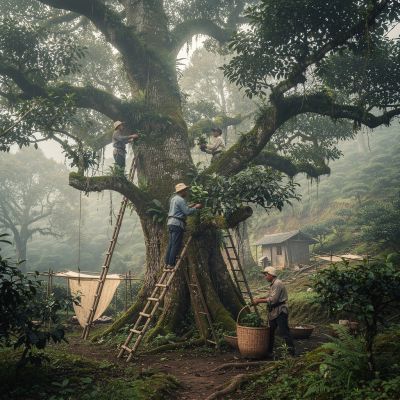
Ancient Tea Forests 古茶林
Jingmai Mountain 景迈山
Key Ancient Tea Forest Regions
Jingmai Mountain 景迈山
Key Ancient Tea Forest Regions
Nannuo Mountain 南糯山
Key Ancient Tea Forest Regions
Bada Mountain 巴达山
Key Ancient Tea Forest Regions
Ailao Mountains 哀牢山
Key Ancient Tea Forest Regions
Ailao Mountains 哀牢山
Key Ancient Tea Forest Regions
Wuliang Mountains 无量山
Key Ancient Tea Forest Regions
Dian Hong 滇红
Additional Information
Dian Hong, or Yunnan Black Tea, emerged as one of China's most celebrated black teas. Produced primarily from Yunnan's large-leaf tea cultivars, Dian Hong is known for its golden buds, rich aroma, and smooth character.

Dian Hong 滇红
Fengqing 凤庆
Give customers a reason to do business with you.
Lincang 临沧
Give customers a reason to do business with you.
Baoshan 保山
Give customers a reason to do business with you.
Menghai 勐海
Give customers a reason to do business with you.
Golden Buds
Characteristics
Honey Notes
Characteristics
Malt Sweetness
Characteristics
Mountain Terroir
Characteristics
Large-Leaf Cultivars
Characteristics
High Mountain Cultivation 高山茶园
Additional Information
Many of Southwest China's finest teas are cultivated at elevations ranging from 1,000 to over 2,000 meters above sea level.
Benefits of High Elevation
Cooler Temperatures
Mountain Mist
Slower Growth
Complex Aromatics
Greater Flavor Development
Natural Biodiversity
Notable High Mountain Areas
Jingmai Mountain
Mengding Mountain
Emei Mountain
Fanjing Mountain
Ailao Mountains
Wuliang Mountains
Ethnic Tea Traditions 中国茶文化民族
Tea Peoples of the Region
For centuries, ethnic communities have preserved cultivation methods, tea knowledge, and cultural traditions across Southwest China.
Dai 傣族
Bulang 布朗族
Hani 哈尼族
Jino 基诺族
Yi 彝族
Bai 白族
Naxi 纳西族
Tibetan 藏族
Cultural Contributions
Ancient Tea Forest Stewardship
Traditional Harvest Methods
Tea Ceremonies
Tea Horse Road Trade
Mountain Agriculture
Generational Knowledge
Biodiversity & Heritage 生物多样性与文化遗产
Heritage Significance
Ancient Tea Trees
UNESCO Cultural Landscapes
Traditional Ecological Knowledge
Ethnic Cultural Heritage
Tea Forest Conservation
Living Tea Traditions
Legacy of the Southwest Tea Mountains
Header
The mountains of Yunnan, Sichuan, and Guizhou represent far more than tea-producing regions. They are living cultural landscapes where ancient forests, mountain communities, biodiversity, and tea traditions continue to thrive together.
From the roots of ancient tea trees to the hands of today's tea makers, Southwest China remains one of the world's most important centers of tea heritage and a lasting symbol of the relationship between tea, land, and people.
Support Our Academy
The YangKriege Tea Academy is dedicated to exploring and preserving the heritage, culture, history, and craftsmanship of Chinese tea. Your support helps us continue developing educational resources, documenting tea traditions, researching tea-producing regions, and sharing knowledge with tea enthusiasts around the world.
If you have found value in our work and would like to help support the continued growth of the Academy, we gratefully welcome your contribution.
